
Saudi Arabia Registers Harrat Al Rass Al Abyad Nature Reserve in Global Database
AlUla, Madinah (ANTARA) — The Royal Commission for AlUla (RCU), in collaboration with the National Center for Wildlife, has announced the official registration of the Harrat Al Rass Al Abyad Nature Reserve, located in the Khaybar area of Madinah Province, Saudi Arabia, in the National Database of Protected Areas and the World Database on Protected Areas.
The achievement supports efforts to conserve the area’s distinctive biodiversity and rare geological formations.
Covering 600 square kilometres, the reserve is the sixth area in the RCU’s protected-area network, which spans a total of 12,107 square kilometres.
The registration reflects RCU’s ongoing commitment to developing its protected-area network, documenting natural assets and strengthening management through a scientific approach that supports long-term sustainability.
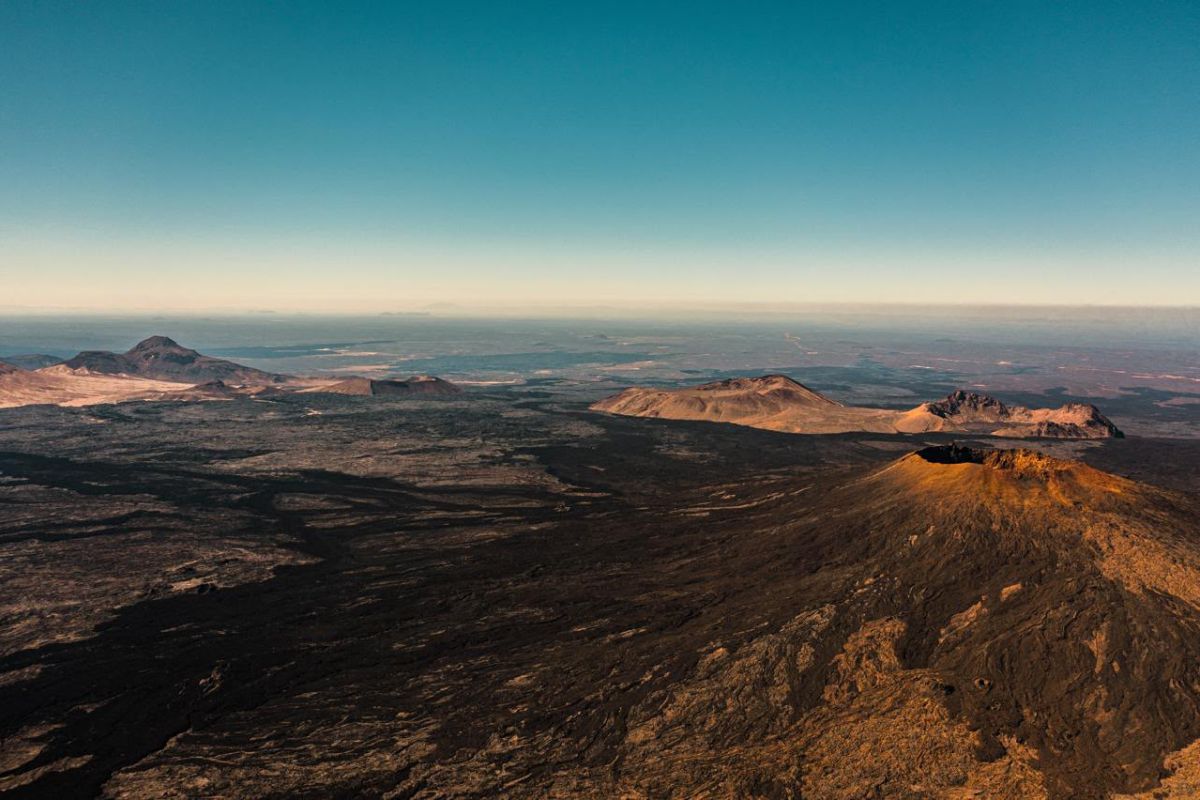
The reserve is located in Harrat Khaybar, one of the largest volcanic areas on the Arabian Peninsula. White volcanoes stand alongside expanses of black basalt rock, creating a striking geological landscape.
The white formations owe their distinctive colour to comendite, a volcanic rock, which sets them apart from their surroundings.
Harrat Khaybar is home to three rare white volcanoes—Jabal Al Bayda, Jabal Al Abyad and Jabal Al Mansaf—underscoring the area’s importance for studying geological diversity and the history of volcanic activity.
The reserve is classified as Category III under the International Union for Conservation of Nature’s (IUCN) protected-area management categories. This category focuses on protecting natural features and the biodiversity and habitats they contain.
The area is also home to Umm Jirsan Cave, one of Saudi Arabia’s longest lava-tube systems, extending for about 1,481 metres.
Initial surveys conducted by RCU recorded about 99 plant species, 14 mammal species, 18 reptile species and 59 bird species, including the endangered Egyptian vulture.
The surveys also identified suitable habitat for ibex. Species inventories and data updates are continuing to improve understanding of the reserve’s ecological assets and identify conservation priorities.
The reserve’s development is guided by a scientific approach encompassing environmental, geological and cultural assessments. These were carried out between 2022 and 2024 in collaboration with the IUCN.
The assessments resulted in an operational management plan for 2024–2029, providing a framework for conservation, management and monitoring to safeguard the area’s natural and cultural values.
RCU continues to seek international recognition for the area, including efforts to meet the requirements for inclusion in the UNESCO Global Geoparks network and the IUCN Green List.
These initiatives support the preservation of geological heritage and improve the effectiveness of protected-area management.
The reserve’s registration forms part of RCU’s 10-year ecosystem restoration strategy and broader efforts to protect natural habitats, conserve biodiversity and safeguard geological heritage.
These efforts align with the Saudi Green Initiative’s target of protecting 30 per cent of Saudi Arabia’s land and marine areas by 2030.
Source: jawawa.id (https://jawawa.id/newsitem/saudi-arabia-registers-harrat-al-rass-al-abyad-nature-reserve-in-global-database-1795661510)
Originally published by Antara (Indonesian) (https://www.antaranews.com/berita/5879183/saudi-daftarkan-cagar-alam-harrat-al-rass-al-abyad-ke-basis-data-dunia), translated from Indonesian