
Saudi Arabia Has Sophisticated Defence Systems, So How Do Houthi Missiles Get Through?
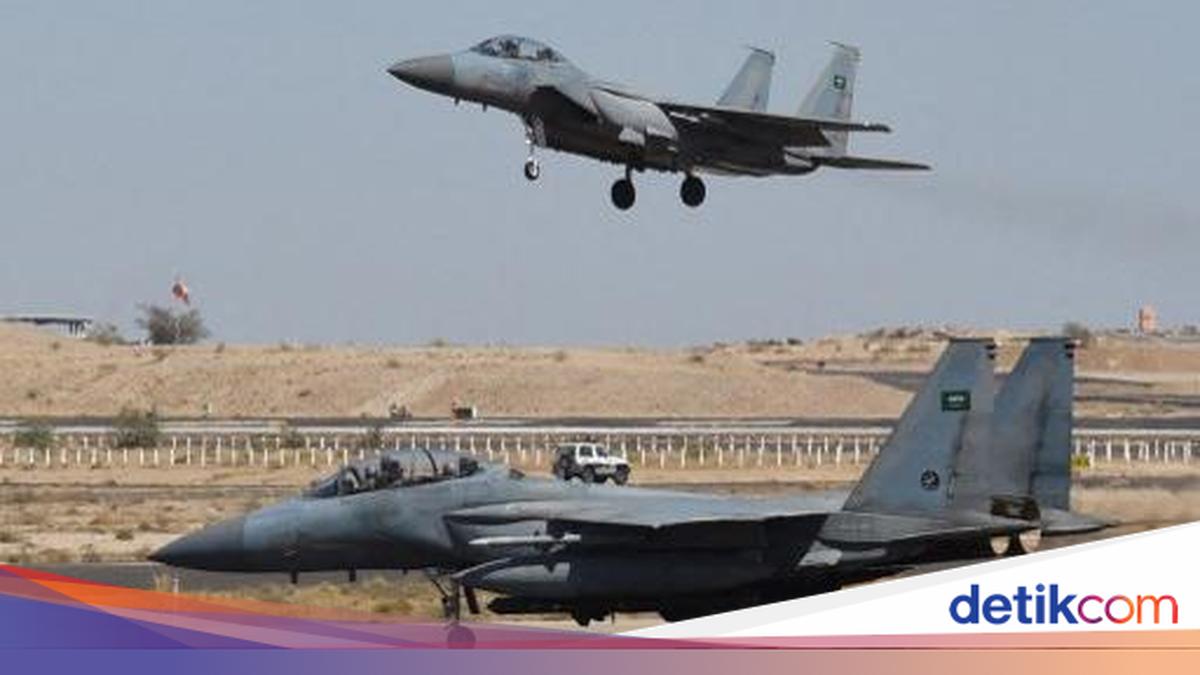
Saudi Arabia is reported to possess an array of advanced military equipment, including US-made missile-defence systems. But how have missiles launched by Yemen’s Houthi group managed to get through, damaging airports and causing casualties in the kingdom?
Al Jazeera reported on Tuesday (13 October 2026) that at least five airports have been affected by Houthi attacks:
King Khalid International Airport in Riyadh
The airport in the Saudi capital has been attacked four times in the past five days. Saudi authorities reported that one person was killed and eight injured on 7 October.
On 8 October, an attack killed an airline pilot and two other Saudi nationals and injured several people. Another attack took place on Saturday (10 October), killing 13 people and injuring hundreds.
The Houthis attacked again on Sunday (11 October), killing one person and injuring dozens. CCTV footage showed the attack hitting Umrah pilgrims preparing to depart from Riyadh.
King Fahd International Airport in Dammam
The Houthis also claimed responsibility for an attack on the airport in Dammam, an industrial port city on the Gulf coast, on Sunday (11 October).
Abha International Airport
On 7 October, two people were killed and 28 injured in an attack on facilities at the airport.
King Abdullah bin Abdulaziz International Airport in Jazan
On 6 October, Saudi authorities reported an attack on the airport in the southern region, injuring three people.
Najran Airport
On the same day, Saudi authorities said Najran Airport had been hit, reporting minor injuries.
Attacks by the Yemen-based group have reached Saudi territory despite the kingdom being a US ally with an arsenal of advanced military equipment. The Times of India, citing a Forbes analysis, reported that Saudi Arabia spent US$83 billion, or about Rp1,493 trillion, on defence in 2025.
Saudi Arabia is said to have a layered air-defence system, including F-15 fighter jets, Eurofighter Typhoons, Patriot missile interceptors and the Terminal High Altitude Area Defence (THAAD) system. Yet Houthi attacks have still penetrated its defences.
Nawaf Obaid, a senior research fellow in the Department of War Studies at King’s College London, said the Houthis’ missile arsenal was essentially based on Iranian weapons technology, with some influence from China. He said the group’s domestic capabilities were limited to producing drones.
“The Houthis have shown little evidence of significant indigenous technological innovation. Their domestic capabilities are largely limited to producing certain simpler types of missiles and drones,” he said.
Obaid said it was to be expected that attacks would occasionally get through Saudi Arabia’s air-defence system. This could happen because of the kingdom’s vast territory and long border with Yemen.
“However sophisticated a layered air-defence system may be, there will always be an attack that gets through,” he said, noting that for every successful strike, dozens of Houthi attacks had been intercepted.
Wolfgang Pusztai, a security and defence policy analyst, said Saudi Arabia’s ballistic-missile defences had primarily been designed to counter threats from Iran. But as Houthi attacks have increased, he said, the kingdom has probably redirected some of those systems to address threats from Yemen.
There have also been reports of problems with interceptor stocks. Saudi Arabia, like many of the US’s regional and global allies, is facing constraints because of limited supplies of Patriot and THAAD munitions.
Those stocks were rapidly depleted by the US and its allies during the early months of the war against Iran. Last month, Riyadh reportedly contacted several friendly countries to ask them to deploy air-defence systems or provide other support to help counter Houthi attacks.
Houthi arsenal is limited
Despite some attacks reaching Saudi Arabia, the Houthis are reportedly facing significant constraints. The group is subject to a UN-mandated arms embargo and a years-long Saudi blockade, while also fighting on several fronts across Yemen.
“Militarily, the Saudi-led coalition is superior, but the Houthis are still able to dominate the headlines through occasional attacks on Saudi Arabia. As the world’s largest crude oil exporter and a G20 economy, Saudi Arabia has global responsibilities that ensure such attacks receive extraordinary attention,” Obaid said.
The exact size of the Houthi missile arsenal is unknown, raising questions about the group’s ability to continue attacks on Saudi Arabia. At the same time, the Iran-backed group is also engaged in a fierce ground war in which it uses missiles and drones.
Obaid said Saudi air operations in Yemen had focused heavily on targeting the group’s missile depots, underground installations and drone-production facilities. The operations were said to have caused severe damage to Houthi military capabilities.
Pusztai said the Houthis probably had only a limited number of short-range ballistic missiles left. He predicted that they would be unable to launch saturation attacks—firing many missiles and drones at a target simultaneously—against Saudi Arabia.
Instead, they may focus on firing missiles individually at civilian targets with weaker defences to maximise the strategic impact of their attacks: disrupting civil aviation.
Source: jawawa.id (https://jawawa.id/newsitem/saudi-arabia-has-sophisticated-defence-systems-so-how-do-houthi-missiles-get-through-1791874436)
Originally published by detikcom (https://news.detik.com/internasional/d-8704760/arab-saudi-punya-sistem-pertahanan-canggih-kenapa-rudal-houthi-bisa-tembus), translated from Indonesian