
Saudi Arabia Closes Oil Pipeline Following Drone Attacks
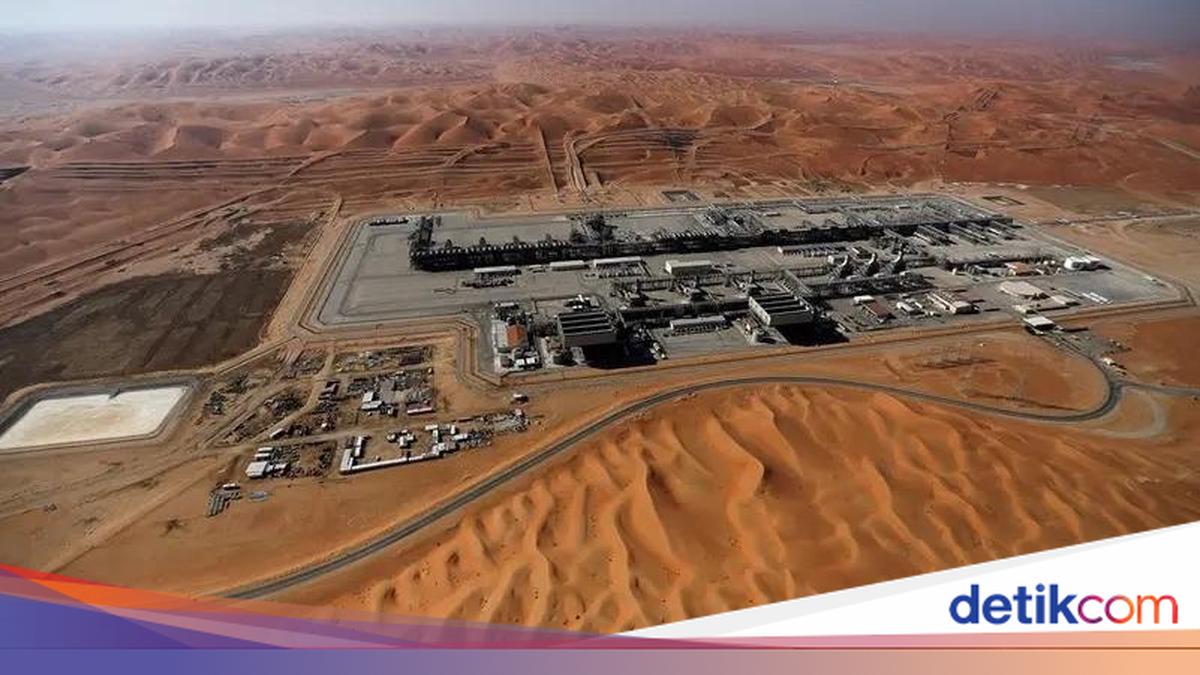
Saudi Arabia has temporarily closed its East-West oil pipeline after the vital export route became the target of drone attacks amidst the expanding conflict in the Middle East. The drone attacks were launched from Iraqi territory, though the masterminds behind the strikes have not yet been clearly identified.
Riyadh has increased its use of the East-West pipeline, which connects Abqaiq near the Persian Gulf to the port of Yanbu on the Red Sea, since the onset of the Middle East war to avoid an Iranian blockade of the Strait of Hormuz.
Saudi Arabia, the world’s largest crude oil exporter, announced the temporary closure of the vital oil artery following the drone attacks, which Riyadh and Baghdad claim originated from Iraqi territory where pro-Iranian militias operate. In response to the attacks, Iraq dismissed a military commander on Saturday.
The 1,200-kilometre pipeline spanning the Arabian Peninsula has helped Saudi Arabia avoid shipping congestion in the Strait of Hormues, where tanker traffic has slowed drastically due to the conflict between Iran and the United States.
The Saudi Ministry of Foreign Affairs condemned the “targeting of the East-West pipeline in the Riyadh and Madinah regions by a number of drones originating from Iraq, which resulted in casualties and damage.” Riyadh authorities stated that the pipeline closure was carried out as a precautionary measure.
“Pipeline operations have been suspended as a precaution, and the attacks caused several injuries,” an unnamed official from the Saudi Ministry of Energy told the Saudi Press Agency.
According to ship-tracking companies and analysts, the temporarily closed East-West pipeline has been transporting between 4 million and 5 million barrels of oil per day in recent months, accounting for approximately 4% to 5% of the global supply.
Satellite imagery from Copernicus Sentinel data, taken on Thursday, showed thick black smoke near Madinah, along the common route of the East-West pipeline that carries Saudi oil to the Red Sea coast.
The drone attacks occur amidst efforts by the Yemen-based, Iran-backed Houthi group to tighten its grip on the Red Sea. Four Yemeni government sources told Reuters that the Houthis seized the strategic Perim Island, or Mayyun, located at the tip of the Red Sea in the Bab al-Mandeb Strait, on Friday.
Following the capture of Perim Island, Yemeni government officials stated that the Houthis now control four strategic islands in the Bab al-Mandeb Strait: Zuqar Island, which was seized on Thursday; Perim (Mayyun) Island; and two Hanish Islands.
The fall of these strategic islands, particularly Mayun Island situated in the middle of the Bab al-Mandeb Strait, is assessed to increase the Houthis’ capability to attack Saudi tankers, which have been targets since last July.
This situation, combined with disruptions in the Strait of Hormuz, has pressured energy supplies on both sides of the Arabian Peninsula and pushed global oil prices back above the US$100 per barrel mark. The two reported attacks on the same day—against the Saudi pipeline and Perim Island—may signal a dangerous escalation as diplomatic efforts to end the Iran conflict remain at a deadlock.