
Saturday: BMKG forecasts cloudy skies and light rain for most major cities
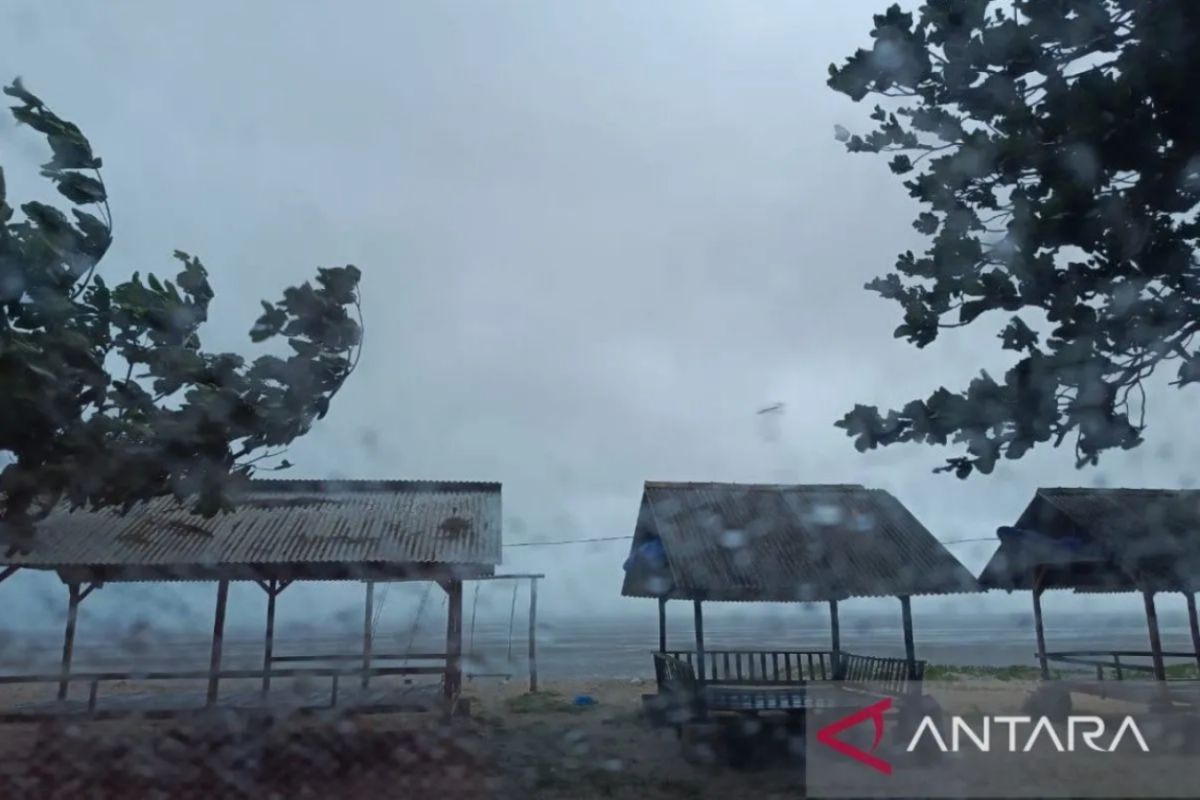
The Meteorology, Climatology and Geophysics Agency (BMKG) has issued an early warning for potential light, moderate, and heavy rain that may be accompanied by lightning and strong winds in various major cities across Indonesia on Saturday. Citing the BMKG’s official website in Jakarta, forecaster Nazmi Nariyah explained that convergence zones generally extend from the Pacific Ocean east of the Philippines to the Indian Ocean west of Sumatra. These conditions can increase the potential for rain cloud growth along areas passed by convergence or confluence. Therefore, the agency forecasts that several major cities will potentially experience moderate to very heavy rain accompanied by thunder and strong winds, namely in the areas of Tanjung Pinang, Padang, and Tanjung Selor. Meanwhile, several other major cities will experience light to moderate rain, including Banda Aceh, Medan, Pekanbaru, Jambi, Bengkulu, Palembang, Bandar Lampung, Serang, Bandung, Semarang, Pontianak, Palangkaraya, Samarinda, Denpasar, Kupang, Sorong, Nabire, and Jayapura. Major cities forecast to only experience cloudy conditions today include Jakarta, Banjarmasin, Mataram, Makassar, Kendari, Gorontalo, Manado, Ternate, Ambon, Manokwari, Jayawijaya, and Merauke. Previously on Thursday (18/6), Forestry Minister Raja Juli Antoni stated that Indonesia’s ability to control forest and land fires continues to show improvement over the last several El Niño cycles. He explained that the area of forest and land fires during El Niño events continues to show a downward trend. During the 2015 El Niño, the burnt area was recorded at approximately 2.61 million hectares, decreasing to 1.64 million hectares in 2019, and further declining to around 1.16 million hectares in 2023. Over the last two El Niño cycles, he continued, the area of forest and land fires was successfully reduced by up to 55.6 per cent compared to conditions in 2015. Additionally, he said the BMKG predicts this year’s dry season will arrive earlier, last longer, and be drier, with the peak of the dry season occurring from July to September.