
Satria's Strategic Steps in Tackling Stunting in Klungkung
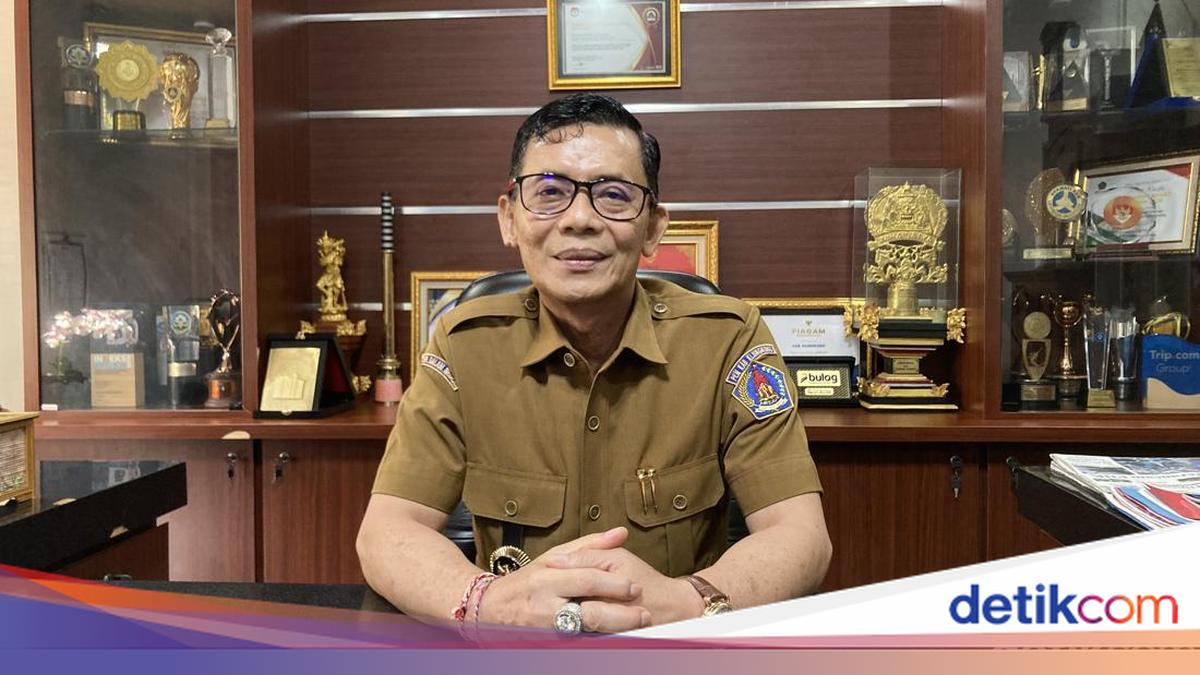
Kabupaten Klungkung, under the leadership of Regent I Made Satria, has carved out a sweet history on the national stage in handling stunting. A series of strategic steps have brought the region to become the area with the lowest stunting prevalence rate in Indonesia in 2025. Based on data from the Klungkung Health Office, the stunting rate in the regency plummeted from 19.40 per cent in 2021 to 3.21 per cent by December 2025. The success in reducing the stunting rate to such an impressive level has led Klungkung to receive various prestigious awards from the central government. This string of achievements resulted in a fiscal incentive fund of Rp 5.6 billion, handed over directly by Vice President Gibran Rakabuming Raka to Regent I Made Satria. Furthermore, at the 2026 National Governance Awards (NGA), Satria won the award for the Top Regency in Healthcare Access & Social Protection category. The Ministry of Health has even officially designated Klungkung as a national learning locus for other regions.
Since his inauguration in February 2025, Regent I Made Satria immediately accelerated efforts to make stunting management a top priority. The regency’s number one official asserted that the budget for stunting must not be hindered by any conditions. For him, the budget for stunting management is as important as buying daily clothing and food. He conveyed this to all village heads, stating that the budget for Posyandu cadres must be available as it is akin to buying daily meals and drinks. If it is not budgeted, it is like choosing death; similarly, if stunting is ignored and the growth and development of the next generation are not considered, it is the same as burying oneself from now. This mindset stems from an awareness of the importance of ensuring the survival of the nation’s future generations. He emphasised that these efforts can be handled early, from ensuring the reproductive health of adolescents to the health of pregnant women’s foetuses. He stressed that the foetus must be healthy because it will give birth to a child who will become the next generation; otherwise, a generation that cannot be relied upon in the future will be produced. For him, awards are not the goal but a bonus from the collective efforts made. The main focus is to produce a smart, strong, and resilient Klungkung generation to continue regional development in the future.
During the process, budget constraints since 2025 and especially in 2026 became obstacles to ensuring the smallest possible stunting prevalence. The central government’s budget efficiency policy caused the allocation of stunting funds at the village level to be erased due to budget cuts of approximately 65 per cent. However, for Satria, the wheels of the prevention programme must not stop. He ordered relevant agencies to review their budgets so that the programme could continue running and not halt. To overcome this challenge, the Klungkung Regency Government increased budget allocations from related agencies. This budget will then be allocated to each village through Special Financial Assistance (BKK) to the sub-districts. This step also optimises the good foundation laid by the previous administration, including mobilising all parties, volunteers, and especially PKK cadres to educate women on physical readiness before marriage. Finally, he also stressed the importance of budget policy. By strengthening incentives for officers who have served sincerely without reward (ngayah) and deploying volunteers, the Klungkung Regency Government is optimistic about moving towards a major target: Zero Stunting by 2030.
The prevalence of stunting among toddlers in Klungkung Regency has shown a significant downward trend over the past five years. Head of the Klungkung Health Office, drg IGA Ratna Dwijawati, explained that the most drastic decline occurred after 2021. The SSGI/SKI data recorded a stunting prevalence of 19.40 per cent in 2021, which then fell to 7.70 per cent in 2022, 4.90 per cent in 2023, and 5.20 per cent in 2024. Monitoring via the Sigizi Kega application up to December 2025 showed the figure continuing to decline, with 3.21 per cent recorded. In March 2026, the figure was recorded at 3.15 per cent. The absolute number of stunted toddlers measured in March 2026 was 313 out of 9,935 weighed toddlers. For December 2025, the number was 318 out of 9,915 toddlers. This decline is evidence that stunting intervention programmes in Klungkung are working, ranging from routine monitoring via the Sigizi Kega application, nutrition education for pregnant women and toddlers, to improving access to basic health services. Although already below the national target, the Klungkung Health Office remains focused on reducing the stunting rate even further. Prevention efforts starting from the First 1000 Days of Life continue to be intensified across all community health centres (puskesmas).
Ratna affirmed that the success of stunting management in Klungkung is the result of the role of all parties from upstream to downstream. Starting from Posyandu cadres as the frontline.