
Satpol PP Deploys 1,900 Personnel During Ramadan, Monitors 43 Brawl-Prone Locations
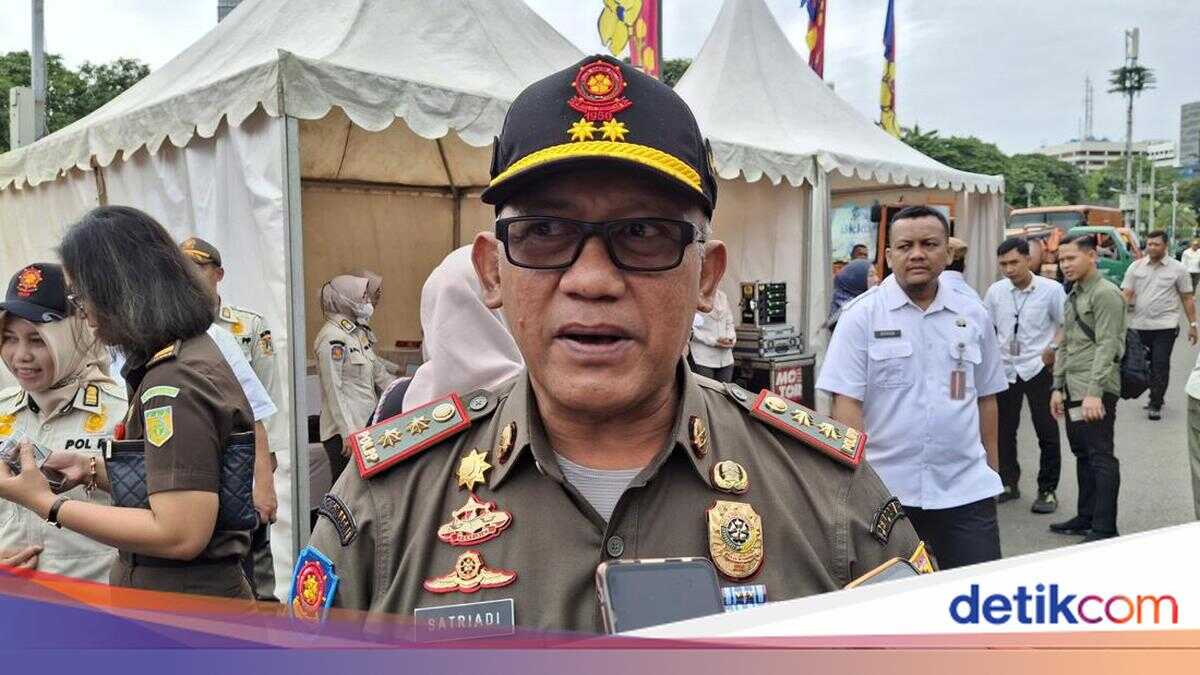
Jakarta’s Civil Service Police Unit (Satpol PP) is deploying 1,900 personnel daily throughout the month of Ramadan to maintain public order and security across the capital. Surveillance efforts are concentrated on locations prone to public disturbances, including 43 sites mapped as brawl-prone areas.
Satpol PP DKI Jakarta chief Satriadi Gunawan said security operations are being conducted through routine patrols and reinforced personnel deployment at higher-risk locations.
“Our force deploys 1,900 personnel every day. Some are mobile units, others monitor specific areas. We maintain continuous monitoring every day,” Satriadi told reporters on Wednesday (18 February 2026).
He explained that personnel numbers at vulnerable points could be doubled compared to normal days, with deployment adjusted flexibly according to conditions on the ground.
“Deployment can be doubled compared to usual levels. But we always coordinate with the three pillars — the military and police,” he said.
Satriadi noted that according to data from the DKI Jakarta National Unity and Politics Agency (Kesbangpol), there are approximately 43 locations classified as brawl-prone. These sites are surveillance priorities during Ramadan, particularly during high-risk hours from nightfall through to the pre-dawn meal.
He said security disturbances tend to be incidental in nature, necessitating continuous area monitoring through patrols and field reports.
“We anticipate these incidents, but they are incidental by nature. That is why area monitoring is so important for us,” he said.
Beyond the potential for brawls, Satpol PP is also intensifying oversight of alcohol distribution and entertainment venue operations during Ramadan. Enforcement is carried out through unscheduled field operations.
“We conduct continuous sweeps. But we cannot disclose the schedule — if we did, it would not be effective,” he said.
Satpol PP also continues round-the-clock surveillance of parks and public spaces to prevent misuse of public facilities and activities that may disturb the community during the fasting month.
Takjil Vendors Not Banned
Satpol PP chief Satriadi said Ramadan serves as an economic opportunity for residents, with many selling takjil (breaking-of-fast snacks). He assured that his agency would not prohibit vendors from trading.
“Ramadan is also a beneficial moment for the community. We organise and arrange takjil vendors — we do not ban them from selling,” Satriadi said.
The reorganisation effort, he said, focuses on ensuring takjil stalls do not obstruct pedestrian pathways and that safe passage is maintained for those on foot, as the primary function of pavements is for pedestrian mobility.
“We must ensure pedestrians are not disturbed. The rights of those walking must not be compromised. We will arrange things properly,” he said.
Satriadi explained that pavement reorganisation and enforcement have already commenced, including action against permanent stalls and illegal parking around seasonal selling locations. Field officers are taking a persuasive approach first.
He noted that takjil street vendors are generally temporary, only bustling during the fasting month, and thus the management approach is tailored to seasonal conditions.
“It is temporary in nature, sometimes only lasting a month. During that period, we ensure things remain orderly,” he explained.
Satpol PP DKI had previously mapped at least 19 pavement locations targeted for reorganisation during Ramadan. These sites are frequently congested with vendors and illegal parking, impeding pedestrian flow.