
Satellites to serve as solution for reaching areas without internet coverage
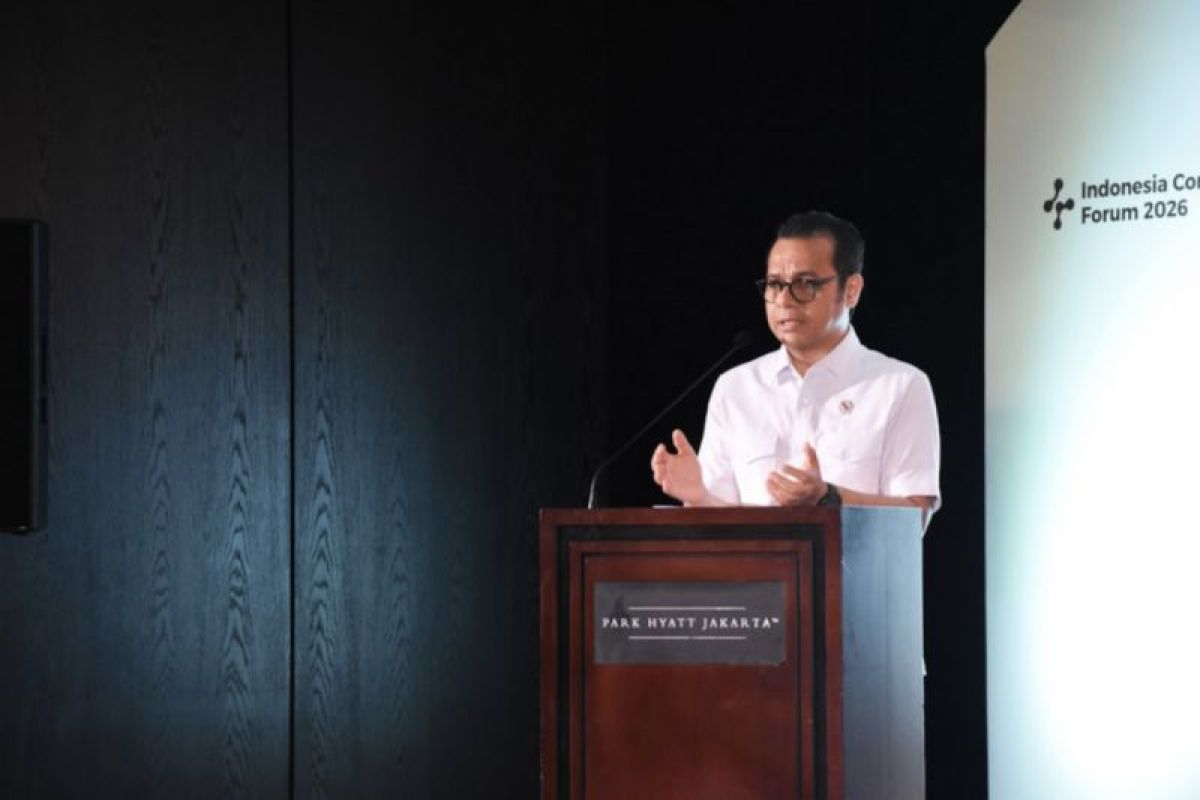
Jakarta (ANTARA) - The Deputy Minister of Communication and Digital, Nezar Patria, believes that Non-Geostationary Satellite Orbit (NGSO) technology, including Low Earth Orbit (LEO), serves as a solution to reach areas not yet served by Base Transceiver Station (BTS) networks or fibre optics.
According to Nezar, as confirmed in Jakarta on Thursday, Indonesia’s geographical challenges—comprising thousands of islands, mountainous regions, and remote areas—mean that land-based network development approaches cannot always meet the needs of the community.
“Non-Geostationary Satellite Orbit technology, particularly Low Earth Orbit satellites, offers a solution with benefits that align with our objectives, especially across three essential dimensions: fundamentally, strategically, and practically,” said Nezar.
“Not all locations can have BTS towers built because the topography makes it impossible. Therefore, we must find alternative ways, such as using fibre optic cables or LEO, which I believe is one of the solutions,” Nezar added.
Establishing connectivity in previously underserved areas is considered vital for expanding access to education, healthcare, digital government services, and unlocking new economic opportunities for the community. According to Nezar, the utilisation of NGSO technology can accelerate regional digital transformation and support more equitable digital economic growth.
“We know that with LEO or NGSO, which can connect many unreachable points, we can more strongly drive digital transformation in the regions, and digital commerce can also grow. Thus, the economic benefits will be highly significant,” Nezar stated.
In addition to supporting economic activities, satellite technology plays a crucial role in maintaining communication services during disasters. When terrestrial telecommunications infrastructure suffers disruptions, satellite-based connectivity can serve as a functional communication channel to support emergency coordination and public services.
“I believe the role of LEO is very specific and crucial. This was proven during recent disasters, when communications were severed in parts of Aceh, North Sumatra, and West Sumatra. Connectivity in those areas was only possible through LEO,” said Nezar.