
Saparan Bekakak Tradition at Mount Gamping, Sleman, Held Today
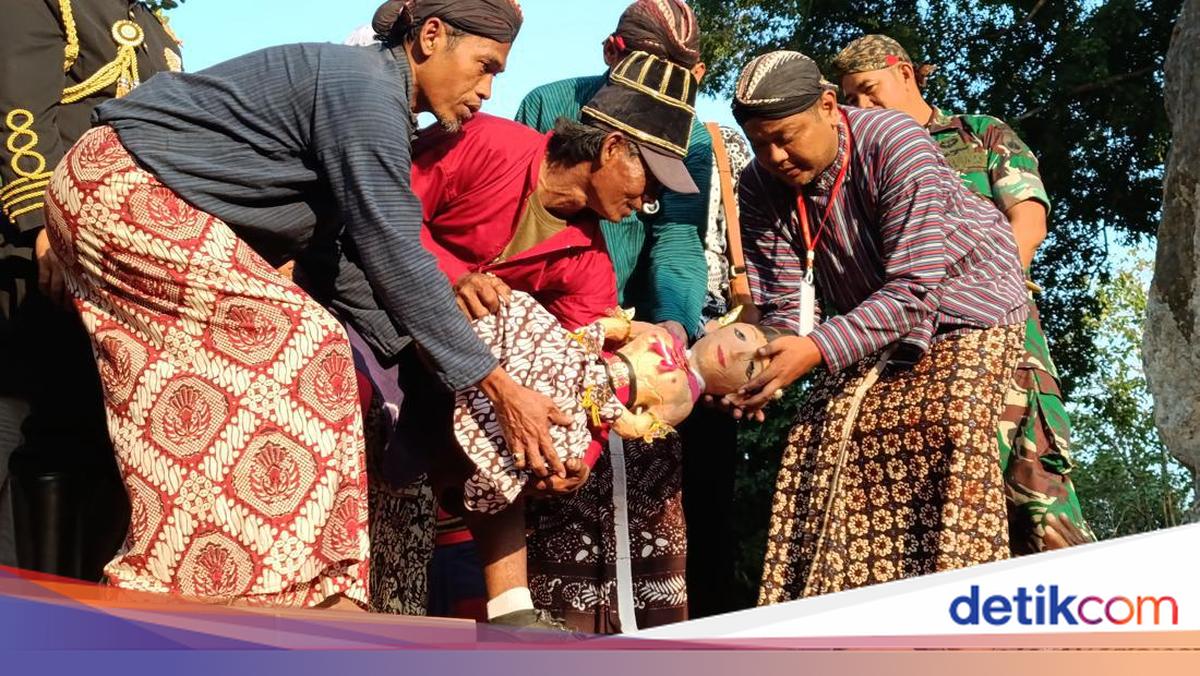
The Saparan Bekakak tradition is being held at Mount Gamping, Ambarketawang, Gamping, Sleman, today. During the event, bekakak effigies will be paraded and then symbolically slaughtered.
Suwandi, the Dukuh of Gamping Tengah and the event section head for Saparan Bekakak, stated that the series of rituals began with the Midodareni procession and the collection of Tirta Donojati water at the Petilasan of the Ngayogyakarta Hadiningrat Palace last night. The water was then handed over to the Ambarketawang Village Hall along with the bekakak effigies. Today, Friday (17/7), the Tirta Donojati and the bekakak are paraded from the Ambarketawang Village Hall to Mount Gamping for the effigy slaughtering procession, which is the climax of the Saparan Bekakak event.
Suwandi explained that the procession of slaughtering the bekakak effigies originates from the tragedy of the Mount Gamping collapse in ancient times, which killed miners. "In terms of purpose or essential meaning, it is a wilujengan or slametan for the residents around Mount Gamping," he said when met at the Mount Gamping Nature Reserve area in Sleman on Thursday (16/7/2026). He explained that in the past, most residents of Mount Gamping worked as limestone miners. "At that time, disasters often occurred, namely the collapse of Mount Gamping which befell the limestone miners. It often happened in the month of Safar," he said.
According to Suwandi, one of the victims of the landslide was Ki Wirasuta, a royal servant beloved by Sri Sultan Hamengku Buwono I. Ki Wirasuta and his wife were buried by the landslide, and their bodies were never found. Upon hearing the news, Sri Sultan Hamengku Buwono I sought divine guidance and then instructed the residents to hold a slametan every month of Safar in the form of a bekakak. Suwandi said the pair of bridal effigies symbolises a substitute for human sacrifice. "What was requested was a sacrifice of a bridal couple. It was impossible for a king to sacrifice his people. Eventually, it was replaced with the bekakak as it exists today," he concluded.