
Sanur SEZ Generates Rp1.13 Trillion in Economic Impact, Welcomes 36,798 Patients
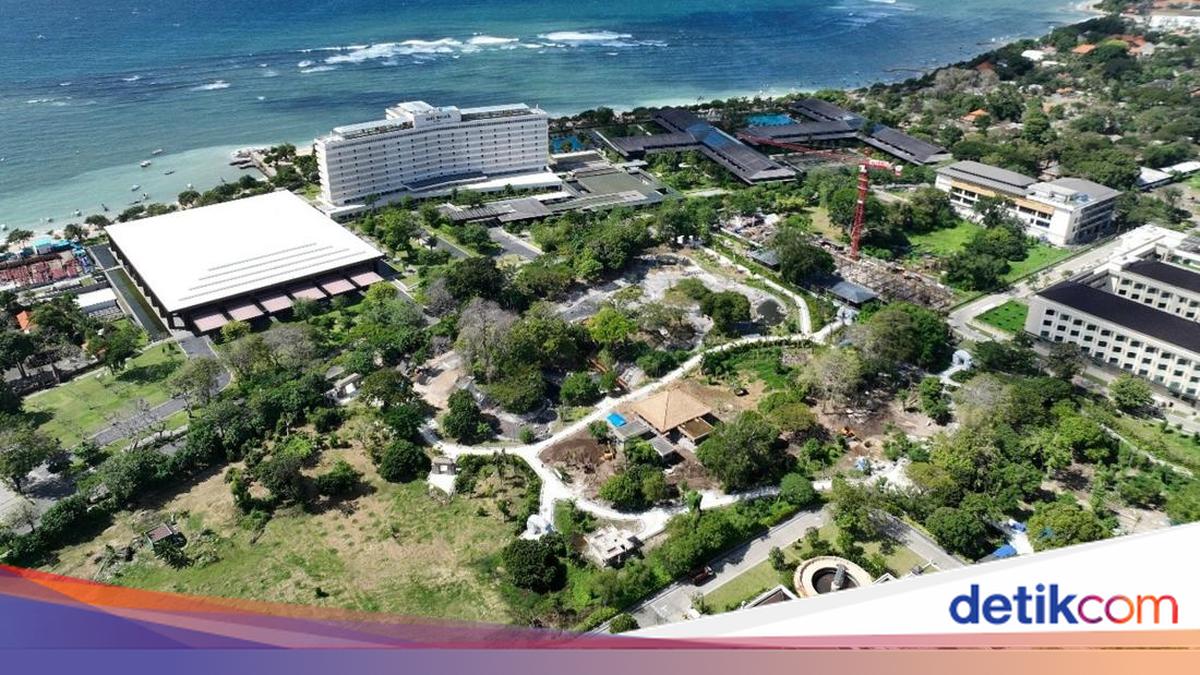
The Sanur Special Economic Zone (SEZ) recorded an economic impact of Rp1.13 trillion through the development of medical tourism services. The achievement was supported by 36,798 patient visits up to the third quarter of 2026, comprising 14,752 Indonesian citizens and 22,046 foreign nationals.
The economic contribution includes Rp146.55 billion in foreign exchange retained in the country and Rp982.65 billion in new foreign exchange brought into Indonesia. This contribution highlights medical tourism’s potential as a driver of economic growth and a means of strengthening the national healthcare industry.
That potential is increasingly significant given the number of Indonesians who still choose to seek medical treatment abroad. Nearly two million Indonesians travel overseas for treatment each year, representing a potential foreign-exchange outflow of Rp200 trillion, or US$6 billion. Developing internationally standardised healthcare services at home is therefore an opportunity to reduce that dependence while attracting foreign patients.
To capture this market, the government is developing the Sanur SEZ as a medical tourism destination integrating medical services with tourism facilities. Coordinating Minister for Economic Affairs and National SEZ Council chair Airlangga Hartarto said the area’s development concept is intended to strengthen Indonesia’s competitiveness in medical tourism.
“The Sanur SEZ is being developed as an integrated destination combining internationally standardised healthcare services with tourism and other supporting facilities. The development is expected to strengthen Indonesia’s competitiveness as a medical tourism destination, attract quality investment, and drive economic growth and job creation,” Airlangga said in a written statement on Thursday (12 November 2026).
He said the integrated development was also reflected in investment realisation and employment. By the third quarter of 2026, cumulative investment in the Sanur SEZ had reached Rp5.76 trillion, while 15 businesses had employed 5,911 people.
Of that cumulative investment, investment realised during 2026 through the third quarter stood at Rp515.87 billion, or 41.07% of this year’s Rp1.25 trillion target. The investment was accompanied by the employment of 636 people.
Investment in the zone has also been supported by healthcare facilities catering to a range of patient needs, including Bali International Hospital (BIH), which began operating on 14 April 2025. The hospital offers specialist services including cardiology, oncology, neurology, gastroenterology, obstetrics and gynaecology, and orthopaedics.
BIH’s development has also been strengthened through partnerships with international organisations. These include Singapore’s SingHealth, Innoquest and Icon Cancer Centre, as well as Japan’s Sapporo Cardio Vascular Clinic, supporting the provision of internationally standardised healthcare services in Indonesia.
The Sanur SEZ is expanding its healthcare ecosystem beyond BIH by bringing in other medical facilities, with the aim of broadening the services available to patients in the zone.
The expansion has included the start of operations at Alster Lake Clinic and The Solitaire Clinic. Other medical facilities are also being developed: Alpha IVF for fertility services, JEC Eye Hospitals & Clinics for eye care, and Fontaine Vitale for stem-cell services.
The additional facilities are expected to widen the choice of healthcare services and make the Sanur SEZ more attractive to domestic and foreign patients. The development of this healthcare ecosystem is also expected to underpin the zone’s projected long-term economic contribution.
Over 30 years, the Sanur SEZ is forecast to contribute Rp45.25 trillion to the national economy. This comprises a direct impact of Rp29.15 trillion and an indirect impact of Rp16.09 trillion. In terms of investment, businesses’ capital expenditure (CAPEX) is targeted to rise by 29.4%, from Rp731 trillion to Rp946 trillion.
In line with these projections, the government has set development targets for the Sanur SEZ through 2030. The zone is expected to realise Rp10.2 trillion in investment and employ around 43,000 people.
Higher investment and increased healthcare activity are also expected to save and generate foreign exchange. With an estimated 19,105 patients, the Sanur SEZ is projected to deliver foreign-exchange savings of up to Rp1.8 trillion, increase foreign-exchange earnings by Rp3.4 trillion and generate an additional Rp1.1 trillion in tax revenue.
The Sanur SEZ’s development is also intended to improve Indonesia’s competitiveness in the global medical tourism market and maximise the sector’s economic benefits. Targets include retaining Rp150 trillion in foreign exchange by redirecting Indonesians’ healthcare spending from overseas to domestic facilities, and generating up to Rp200 trillion in foreign-exchange earnings by attracting around 1.25 million international patients.
To attract international patients, the zone is targeting a range of markets considered to have medical tourism potential. These include Australia, Singapore, Malaysia, South Korea, Japan, European and North American countries, other ASEAN countries, and the Middle East.
Through the development of healthcare facilities, increased investment and wider international market reach, the Sanur SEZ is expected to strengthen Indonesia’s position as a competitive medical tourism destination. The sector is also expected to deliver economic benefits through more patient visits, optimised foreign-exchange earnings and job creation.
Source: jawawa.id (https://jawawa.id/newsitem/sanur-sez-generates-rp1-13-trillion-in-economic-impact-welcomes-36-798-patients-1794480825)
Originally published by detikcom (https://news.detik.com/berita/d-8750258/kek-sanur-beri-dampak-ekonomi-rp-1-13-triliun-dikunjungi-36-798-pasien), translated from Indonesian