
Santai Seaplane Opens New Operational Base in Banyuwangi, Targets Ecotourism Market
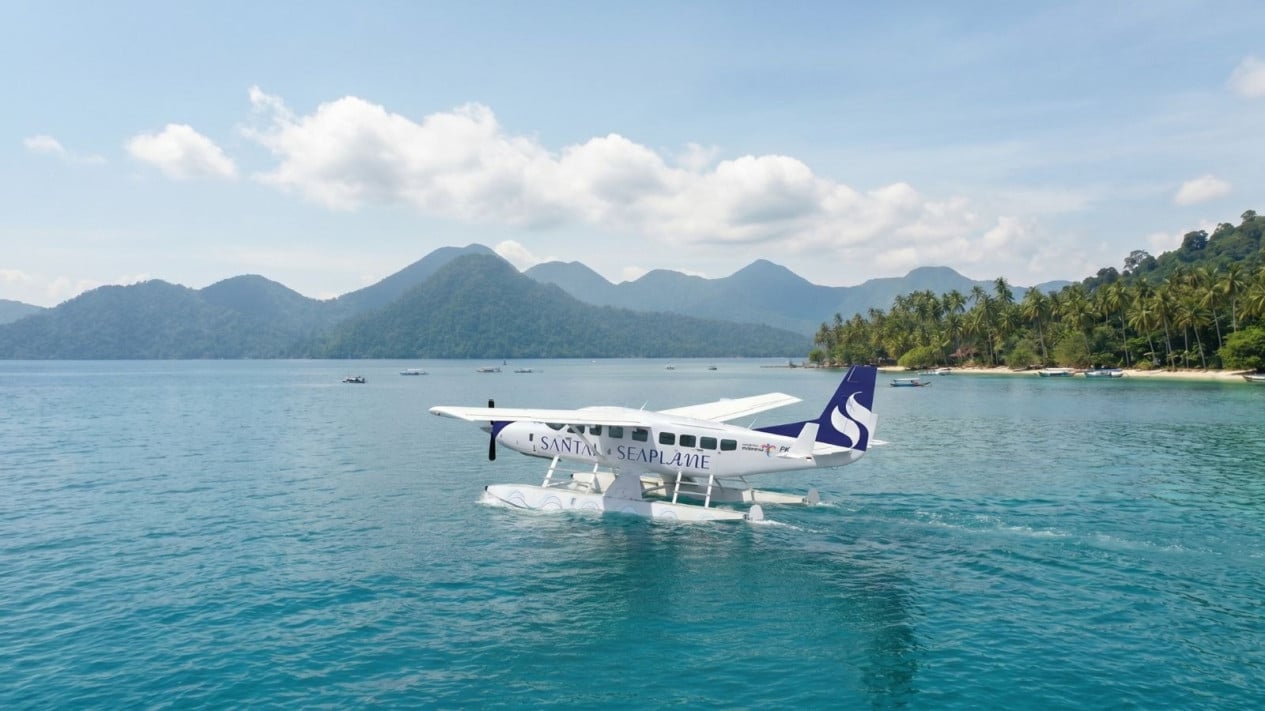
Indonesia’s newest premium amphibious flight service provider, Santai Seaplane, has announced the inauguration of its new operational base in Banyuwangi, East Java. This marks a significant transformation for tourism and regional connectivity, whilst cementing Banyuwangi’s position not only as ‘The Sunrise of Java’, but also as a strategic hub for premium ecotourism and seamless inter-island travel.
Santai Seaplane Chief Executive Officer Wirmandi Sugriat said the new facility would serve as a network centre for various scenic flight services, crucial inter-island connectivity routes, and exclusive charter flight services. ‘Banyuwangi is the perfect starting point for our operational expansion. Its strategic location, stunning natural panoramas, and visionary regional leadership make it an ideal hub. Today, we are not only inaugurating an operational base, but also opening up a new way for the world to enjoy the unparalleled beauty of the archipelago,’ Wirmandi said.
The presence of this operational base is the result of a successful collaboration that gained strategic support from the central and regional government, InJourney, and airport management. Banyuwangi International Airport General Manager Mohamad Holik Muardi stated, ‘We are very enthusiastic about welcoming Santai Seaplane to Banyuwangi International Airport. This operation presents a unique flight product that complements existing infrastructure, whilst reinforcing our airport’s status as a sustainable, dynamic, and continuously evolving gateway in East Java.’
Through this inauguration, the Banyuwangi base becomes the first step in Santai Seaplane’s 10-year master plan to redefine travel to remote areas across Indonesia. In line with the commitment of the government and business partners, Santai Seaplane aims to pioneer a sustainable and eco-friendly flight network. This long-term strategy focuses on operating the latest generation of environmentally friendly amphibious aircraft to build water-aerodromes in various regions of Indonesia. This step is effective in opening access to beautiful destinations that have been difficult to reach, without having to incur large financial costs or the environmental impact of building conventional runway infrastructure.