
Sanitary Pads Subject to 11% VAT; Women’s Minister Says Women Deserve Affordable Menstrual Hygiene Products
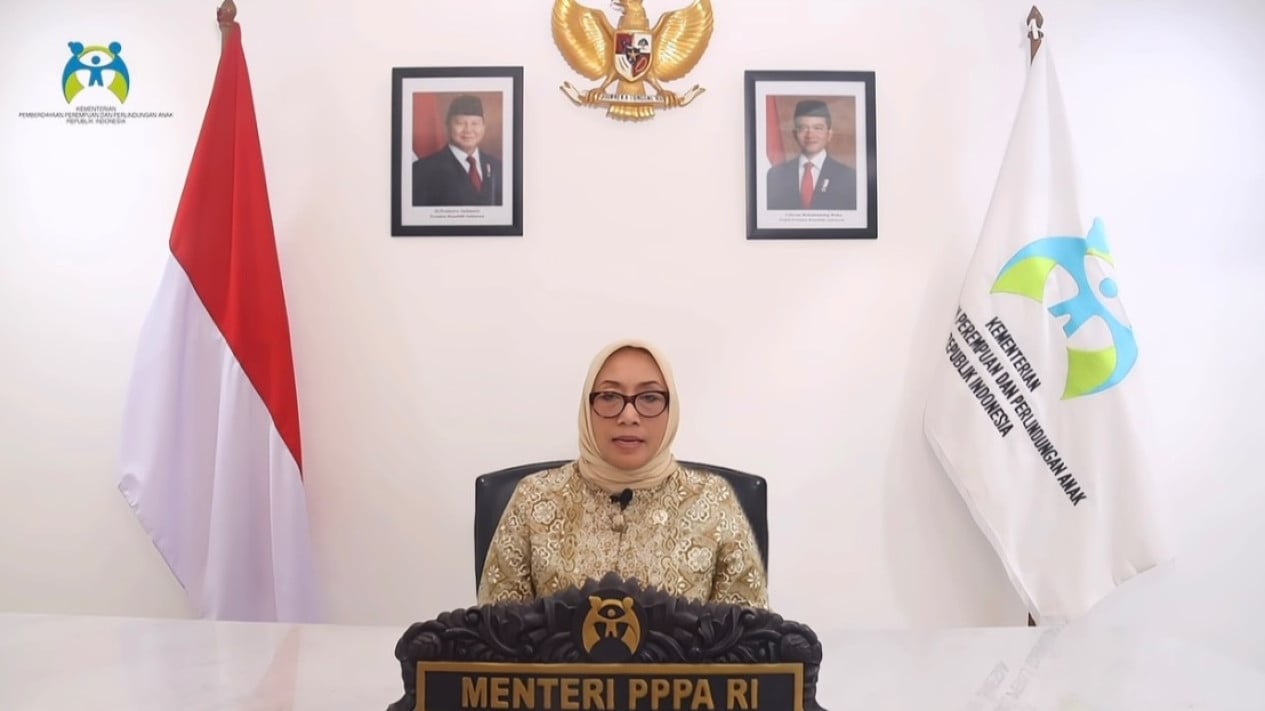
Jakarta — Women’s sanitary pads are still subject to 11% value-added tax (VAT). The policy has prompted controversy because menstrual hygiene products are a regular necessity that women cannot avoid.
Women’s Empowerment and Child Protection Minister Arifah Choiri Fauzi has also highlighted the issue. She warned that policies concerning sanitary products should not make it difficult for women to meet their basic needs.
Arifah said menstruation is a natural biological process experienced regularly by women. Access to sanitary pads and other hygiene products must therefore be guaranteed, particularly for people in economically vulnerable circumstances.
“Menstruation is a natural biological process that forms part of women’s reproductive cycle, experienced regularly and unavoidable. Support from many parties is therefore needed to ensure access to safe, adequate and affordable menstrual hygiene products, especially for those from lower socioeconomic groups,” she said, as quoted on Sunday (1 November 2026).
Arifah said the affordability of menstrual products was no trivial matter. For women with limited means, the cost of hygiene necessities can be one of the challenges in meeting everyday needs.
She also stressed that every woman has the same right to access safe, adequate and affordable menstrual hygiene products.
“We should foster awareness that every woman is entitled to access safe, adequate and affordable menstrual hygiene products. Let us work together to create an environment that is more attentive to women’s health. Meeting women’s basic needs is also part of creating a more equal and prosperous life,” she said.
Arifah added that meeting women’s specific needs was not only about the availability of sanitary products. It was also connected to women’s right to live healthy, safe, productive and dignified lives.
“Meeting women’s basic or specific needs means ensuring that they can live healthy, safe, productive and dignified lives. When women’s needs are taken into account in every policy, we are building healthier families, a more inclusive society, and a more equal and prosperous Indonesia,” Arifah said.