
Sanitary Pads Are Taxed; Women’s Empowerment Minister Calls for Review
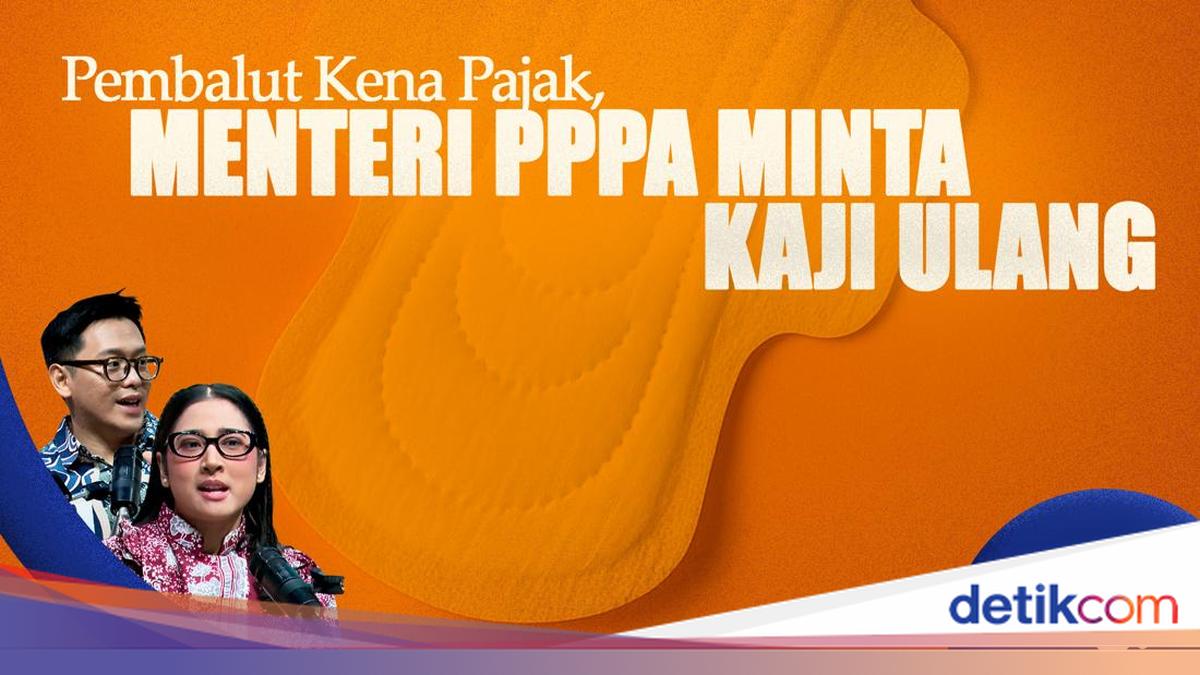
“The issue of women’s sanitary pads is currently being widely discussed in public. Amid the differing views, one thing we must make clear is that sanitary pads are not luxury goods,” Arifah said through the official account of the Ministry of Women’s Empowerment and Child Protection on Monday (2 November 2026).
She said sanitary pads are a basic biological need for women during menstruation, linked to health, hygiene and comfort. Every woman, she added, has the right to access safe and adequate menstrual products.
She said meeting menstrual needs must be given attention both in everyday life and during emergencies. In disaster situations, sanitary pads are among the supplies that should be included in dignity kits.
“The Ministry of Women’s Empowerment and Child Protection has consistently advocated to organisations providing disaster relief that women continue to menstruate every month, even in emergency conditions,” Arifah said.
She said greater awareness was needed that every woman is entitled to safe and adequate access to menstrual products, without stigma or shame. The minister called on all parties to pay attention to women’s health.
“Let us work together to create an environment that is more attentive to women’s health. Meeting women’s basic needs is also part of creating a more equal and dignified life,” she said.
Meeting these needs also supports women’s hygiene, comfort and health, she said. Arifah therefore emphasised the importance of ensuring affordable prices, particularly for vulnerable groups.
“This requires support from many parties to ensure access to safe, adequate and affordable menstrual hygiene products, particularly for people from lower socio-economic groups,” she added.
National Commission on Violence Against Women’s concerns over the sanitary-pad tax
Previously, National Commission on Violence Against Women deputy chair Dahlia Madanih said the tax on menstrual products, known as the “tampon tax”, did not take women’s specific reproductive-health needs into account.
The policy could add to women’s financial burden, particularly for those on low incomes, she said.
Menstrual products are not luxury goods but essential items that must be purchased regularly, she said. The tax should therefore be reviewed in light of gender-equity principles.
“Taxing menstrual products is a gender-biased policy because it does not take women’s specific needs in exercising their reproductive-health rights into account,” Dahlia said in a written statement, as quoted by detikcom on Friday (30 October 2026).
She said the state should ensure that women can access reproductive-health necessities adequately and affordably, particularly because menstruation is an unavoidable biological process.
Dahlia also highlighted period poverty: the lack of access to menstrual products, sanitation facilities, clean water and information about menstrual health because of economic or social barriers.
She said the issue was linked to Indonesia’s commitment to achieving the Sustainable Development Goals (SDGs), particularly Goal 1: ending poverty.
Menstrual products are needed not only for use during menstruation, but also during other reproductive circumstances, such as after childbirth, bleeding or miscarriage.
Sanitary pads subject to an effective 11% VAT
In recent days, social media has been abuzz with discussion of the tax on women’s sanitary pads. Many users have questioned the policy, as the products are a basic necessity for women during menstruation.
Inge Diana Rismawanti, director of counselling, services and public relations at the Directorate General of Taxes, said sanitary pads sold in Indonesia have long been classified as taxable goods. Their purchase is subject to value-added tax (VAT) when it meets the applicable tax requirements.
“In principle, sanitary pads sold in Indonesia are taxable goods subject to VAT, provided their sale meets the applicable tax requirements,” Inge said, according to detikFinance.
For non-luxury goods, the VAT rate is 12%, with the tax base set at another value equivalent to 11/12 of the sale price. As a result, the effective VAT burden remains 11%.
Source: jawawa.id (https://jawawa.id/newsitem/sanitary-pads-are-taxed-womens-empowerment-minister-calls-for-review-1793670713)
Originally published by detikcom (https://news.detik.com/berita/d-8735489/pembalut-kena-pajak-menteri-pppa-minta-kaji-ulang), translated from Indonesian