
Sangkuriang Train Occupancy Reaches 240%, the Highest in Bandung Operating Area
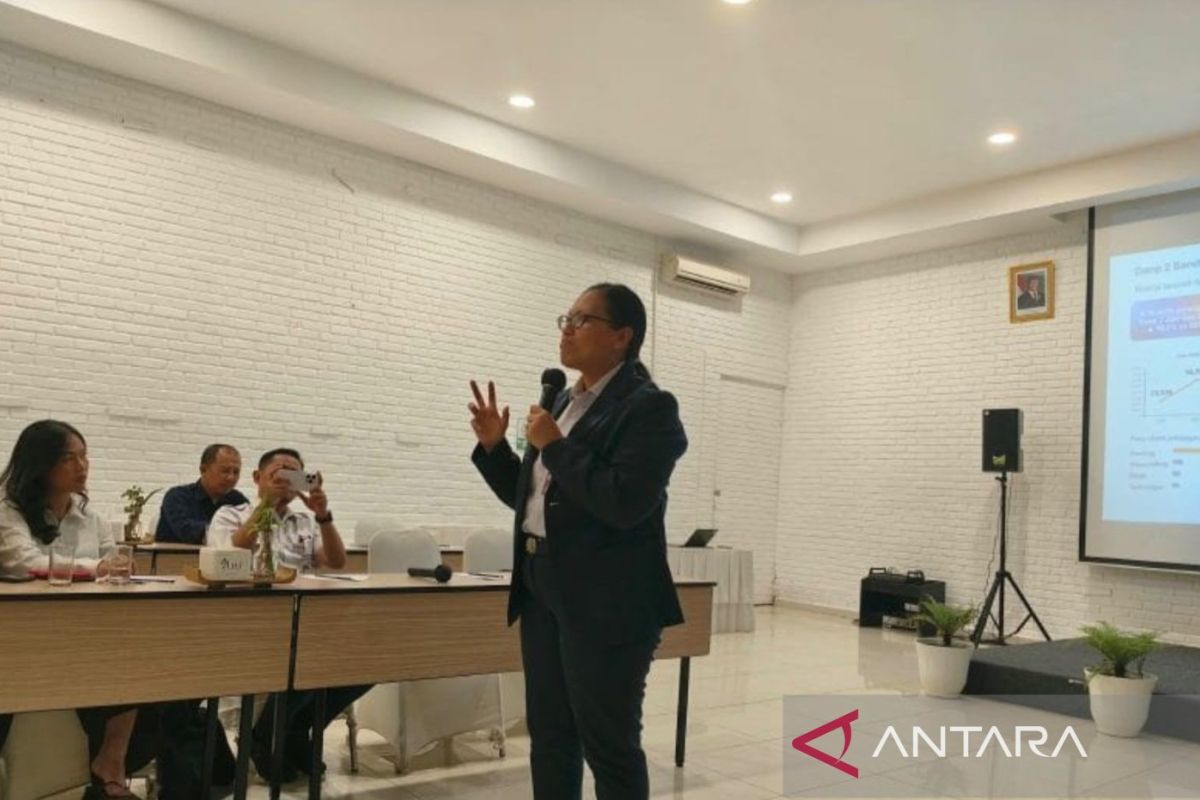
Bandung, West Java (ANTARA) – State railway operator PT KAI (Persero) recorded occupancy of 240% on the Sangkuriang train service between Bandung and Banyuwangi via Java’s southern route during July–September 2026.
KAI Vice-President of Public Relations Anne Purba said in Bandung, West Java, on Monday that, despite having operated for less than a year, the Sangkuriang had already become the train with the highest occupancy in the Bandung Regional Operations Area 2 (Daop 2), ahead of the Malabar and Lodaya trains.
“Sangkuriang is number one, Malabar is number two, and Lodaya is third. But what we are seeing is extraordinary growth from the new train, Sangkuriang. Its occupancy can exceed 200%, even reaching 240%,” Anne said.
Occupancy above 100% is possible because passengers board and alight at different stations along the route between Bandung and Banyuwangi in both directions.
“During peak hours and at weekends, Sangkuriang’s occupancy can surge to 285%,” Anne said.
With 456 seats across executive, commercial economy and priority compartment classes, the service has carried more than 330,000 customers, she added.
The figures indicate that Bandung and areas along Java’s southern route through to Banyuwangi are becoming leading destinations for rail travel.
“Strong public interest in this route reinforces Purwokerto, Bandung and Banyuwangi as leading destinations served by train,” Anne said.
Source: jawawa.id (https://jawawa.id/newsitem/sangkuriang-train-occupancy-reaches-240-the-highest-in-bandung-operating-area-1792410749)
Originally published by Antara (Indonesian) (https://www.antaranews.com/berita/5797009/okupansi-ka-sangkuriang-capai-240-persen-tertinggi-di-daop-bandung), translated from Indonesian