
Sanata Dharma Rector: State University Admission System Must Be Reformed Amid Private Sector Crisis
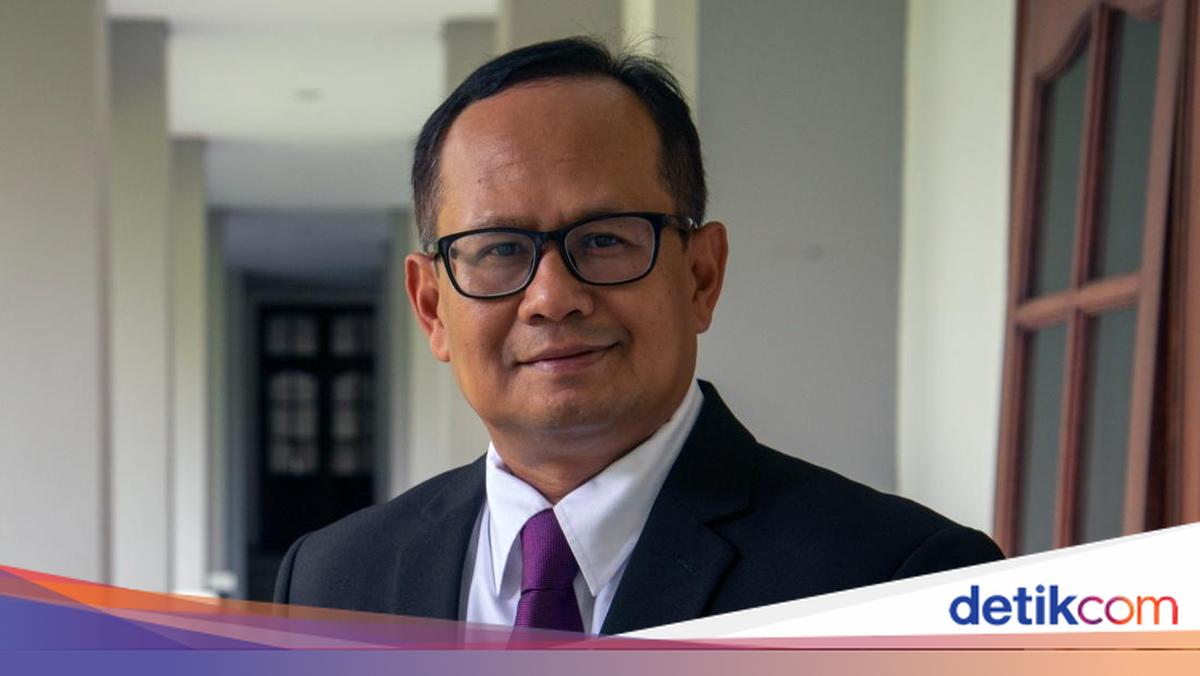
The Rector of Sanata Dharma University, Albertus Bagus Laksana, S.J., S.S., Ph.D., has acknowledged that a downward trend in the number of new students is beginning to be felt across several study programmes at his campus. He insists that the system and practice of new student admissions at state universities must be changed.
Recently, Commission X of the Indonesian House of Representatives highlighted the continuously declining number of applicants to private universities in the regions and called for an evaluation of the new student admission system. The rector, familiarly known as Father Bagus, believes the government must promptly address the university admission system, which he considers to be exacerbating the crisis among private institutions.
Sanata Dharma University welcomes the directive from House Commission X calling for this evaluation, given the crisis facing private institutions, Father Bagus said. He explained that the decline in new students is not only occurring in small private universities or campuses in specific regions. According to him, a number of study programmes at his own university have also begun to experience waning interest, including several large programmes that were once leading choices.
Although the causes are various, Father Bagus stated that the admission system at state universities is a primary factor behind the drop in enrolments at private campuses. This is not the first time Commission X has outlined plans to update the admission system, including limiting the quota of independent admission pathways at state universities and their commercialisation, as well as imposing deadlines for selection rounds to prevent them from dragging on and harming private institutions.
He stressed that the system and practices of state university admissions seen over recent years have become a massive factor that must be altered. He noted that protests from private universities, both individually and through the Association of Indonesian Private Universities forum, have been frequently voiced, yet the government’s response has been minimal and insignificant.
What private universities need now, Father Bagus said, is firmness and attention from the government to handle this matter as part of the state’s constitutional responsibility to advance national intellectual life. His university therefore hopes the government will not merely discuss the issue but take concrete steps to improve the governance of new student admissions throughout higher education.
Furthermore, the rector argued that the government also needs to overhaul the funding system for state universities. He stated that state universities should not be burdened with financial problems that end up generating practices of aggressive enrolment expansion and the opening of new study programmes. State universities should be supported in other ways to become more contributive in forming young leaders, developing knowledge, and creating real impact for society and the global community.
The sustainability of private universities requires greater attention, he added. The forms of support needed include subsidies, institutional development assistance, and the ease of opening study programmes that are relevant to the needs of society and the job market. He concluded that the current moratorium on opening new study programmes becomes unfair when state universities, especially those with legal entity status, are granted the freedom and facilitation to open new programmes as they wish.