
Samsung Smartphone Prices Set to Rise by Rp 2 Million; Affected Models Listed
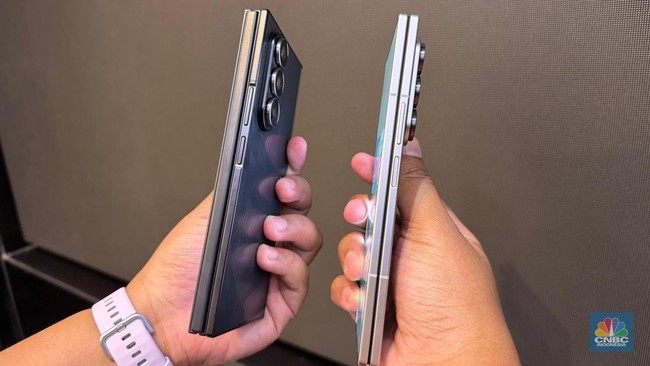
Samsung is reportedly being impacted by the phenomenon of continuously increasing RAM prices. The South Korean giant is likely to raise the prices of its mobile phones in the future. The rise in memory chip prices has been occurring since the end of last year. However, several manufacturers, including Samsung and Apple, have been able to manage this through optimisation and cost-cutting in other areas. Recent reports from Greece, cited by GSM Arena, suggest that Samsung will no longer be able to maintain current prices in the future. The company is preparing to raise the prices of several handsets in Europe this June. Several phones subject to price adjustments include the Galaxy S series, Galaxy Z Fold 7, and Z Flip 7, with increases estimated at approximately 100 euros or Rp 2 million. GSM Arena noted that it remains unclear whether this price hike will affect base models, though similar policies are likely to apply to models with higher storage capacities. It appears Samsung is not alone in this move, as analysts predict that price increases driven by memory shortages will persist through the second half of this year. The scarcity of memory chips is significantly impacting the smartphone market, with price increases already being felt in Indonesia. Meanwhile, research firm Counterpoint explains that memory chip prices could still rise by up to 40% in the second quarter of 2026, which would add 8% to 15% to production costs. Consequently, smartphone retail prices are expected to increase by up to 6.9% year-on-year in 2026, following a 3.6% increase in September 2025. Counterpoint has also revised its global smartphone shipment growth projection for 2026 downwards to minus 2.1%, with Chinese manufacturers such as Honor, Oppo, and Vivo also seeing revised growth projections ranging from minus 1% to less than 4%.