
Samsung patents two rollable phone designs
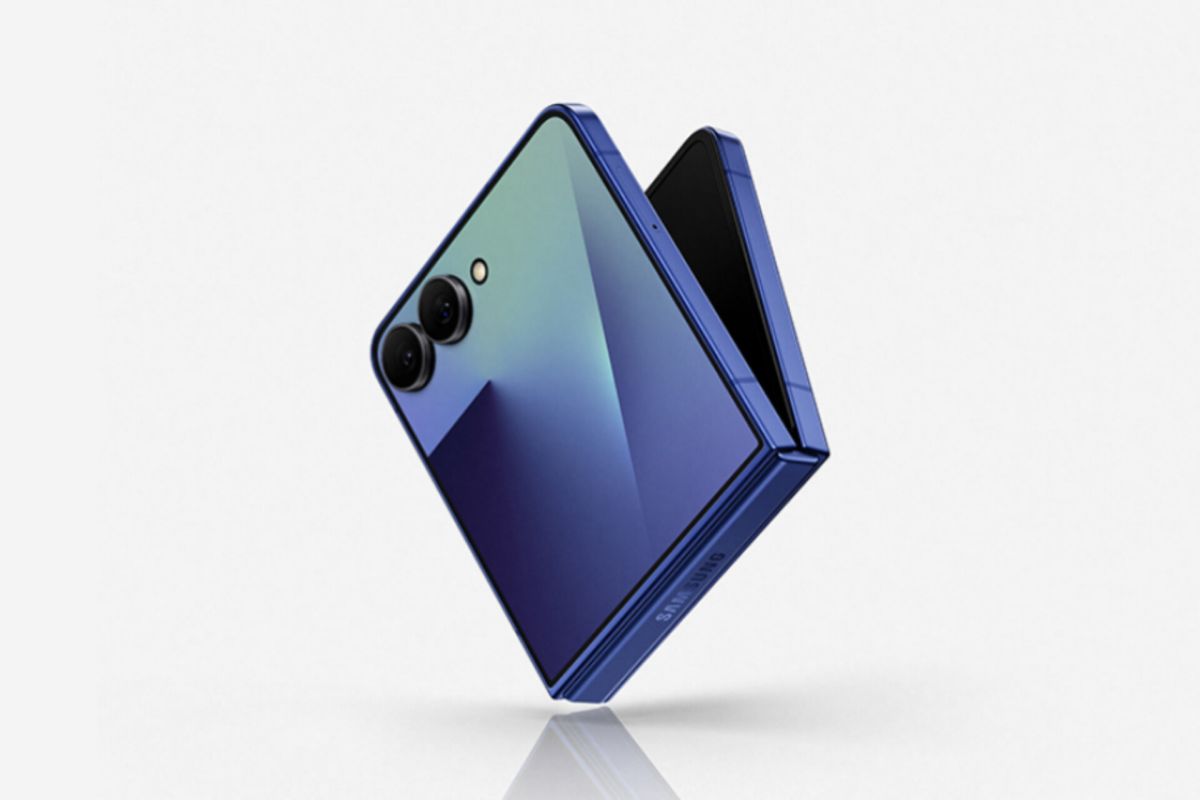
Samsung has patented two rollable phone designs, with most concepts extending the screen outward when opened. The second design goes further, with the screen fully concealed within the body when not in use, only emerging when the device’s side is pulled apart.
Patents do not guarantee a product will be released. However, Samsung Display previously showcased rollable OLED prototypes at CES and MWC, indicating the concept is more than theoretical, according to Gizchina on 22 May.
The first design follows a more conventional rollable approach. In its compact state, it resembles a standard smartphone. When horizontally extended, the screen expands to create a wider display for multitasking, gaming, or video viewing.
This is an effort to provide a larger screen when needed, similar to foldable phones but achieved through rolling rather than folding. There are no hinges or screen creases.
Samsung describes this as a protective solution, with the flexible screen stored inside the body to avoid scratches, dust, and daily-use impacts. However, whether this truly extends the screen’s lifespan remains to be proven in real-world testing.
An interesting detail is the integrated sensors. Their ability to detect distance and speed during screen extension allows the operating system to respond intelligently to partially or fully opened screens.
Half-opened phones could display different layouts compared to fully open ones. Apps could gradually adjust content rather than waiting for specific screen sizes as current devices do.
This represents a more sophisticated interaction model than modern foldable phones, which typically switch between fixed positions without truly flexible adjustments.
Foldable phones have issues with screen creases. The fold lines on current clamshell-style foldables are visible, feelable, and bothersome for some users.
Clamshell foldables are better in this regard but still require hinges. Rollable phones with fully flexible screens eliminate creases entirely, as the display curves smoothly along the roll rather than sharply bending at a hinge point.
Samsung Display’s existing prototypes show the panel technology is mature enough for public display. While engineering work remains before commercial release, the gap is narrowing.
However, whether consumers ready for foldable phones are prepared for rollable models remains a market question Samsung cannot answer with patents alone.