
Sample Testing: A Method to Monitor Vehicle Quality After Market Release
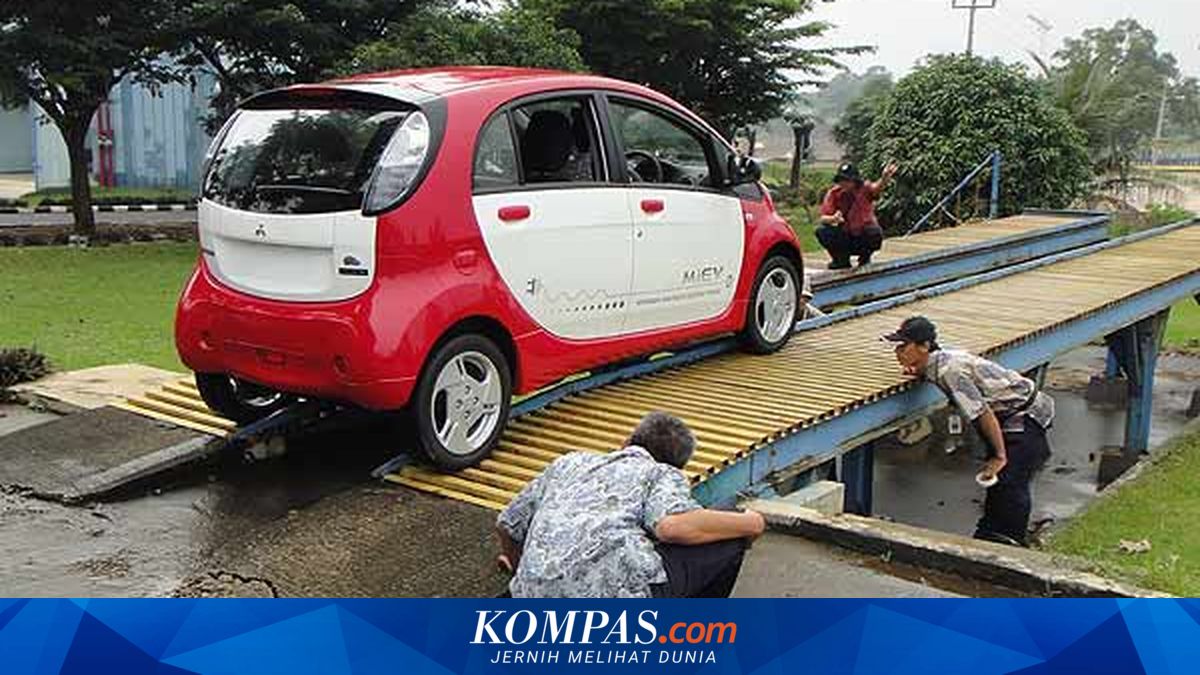
JAKARTA – Type testing is one of the crucial stages that motor vehicles must undergo before being marketed and used on public roads.
The Head of the Roadworthiness Testing and Motor Vehicle Certification Agency (BPLJSKB), Iman Sukandar, explained that type testing is conducted prior to the marketing of vehicles, whether cars or motorcycles.
“So, BPLJSKB’s main focus is on type testing of motor vehicles and preparing certification materials for type testing,” he told Kompas.com in Bekasi, West Java, on Tuesday (5/5/2026).
After vehicles are in circulation among the public, testing continues through a periodic mechanism known as sample testing. However, this process differs from the periodic testing for commercial vehicles or KIR.
“Because they are already controlled by us when the type test registration certificate is issued. It’s called sample testing,” he said.
This testing is continuously performed as a form of oversight on mass production consistency.
Additionally, if manufacturers introduce a new model or type, type testing must be conducted again from the beginning.
This is because each vehicle type has different characteristics and specifications, necessitating re-testing to ensure its worthiness and safety.
“Or a new type, which we call different again, must undergo type testing once more. From the start again. So the benchmark is the type,” Iman stated.
This regulation aims to guarantee the conformity of technical specifications for mass-produced or imported vehicles with the Type Test Certificate (SUT), thereby preventing potential discrepancies in production outcomes.
Sample testing is carried out on complete vehicles or vehicle bases, including design and engineering results.