
Sambas's Ambition to Transform Temajuk into a Tourism Special Economic Zone
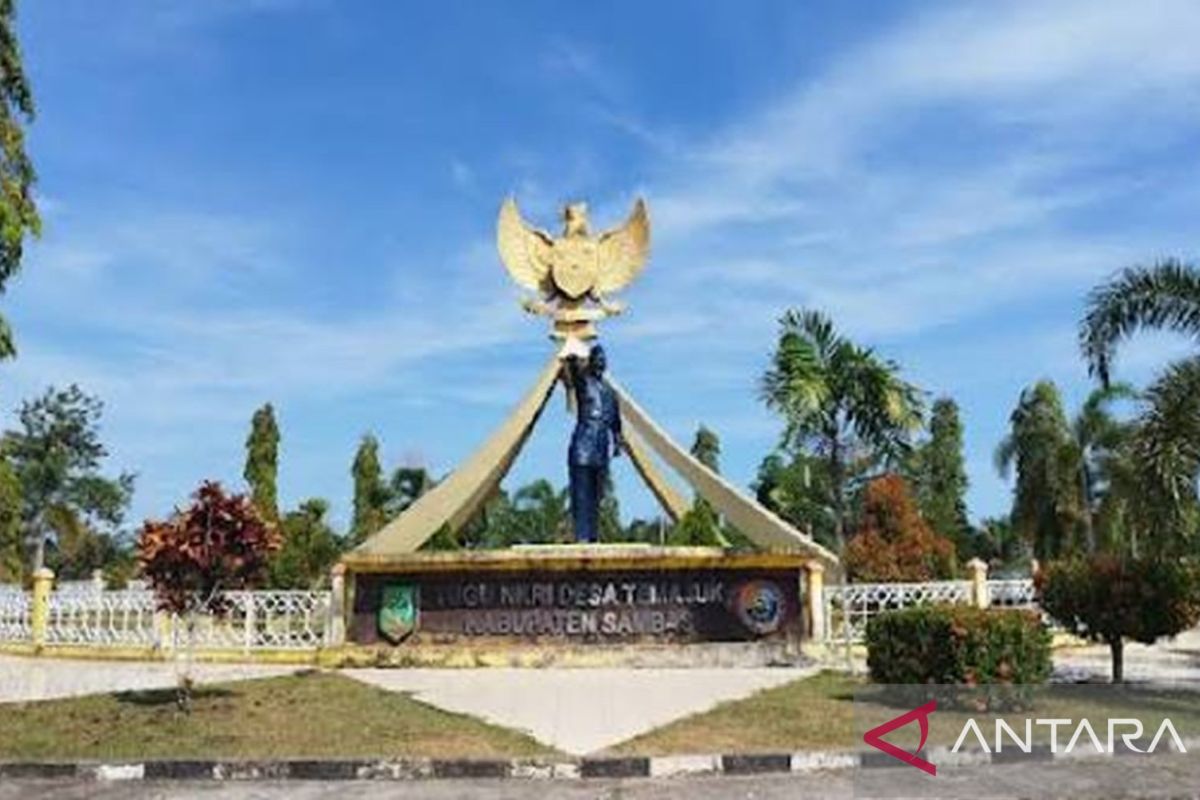
The sea at the edge of the nation in Temajuk, Paloh District, Sambas Regency, West Kalimantan, holds more than just natural wealth; it represents economic opportunities that the local government seeks to bring to a wider stage. Opposite this area lies Telok Melano, Sarawak, Malaysia, separated only by a border line. The proximity of these two regions has become increasingly significant following the reactivation of the Temajuk–Telok Melano Integrated Border Post (PLB).
This momentum is driving the Sambas Regency Government to accelerate the idea of forming the Temajuk Border Tourism Special Economic Zone (SEZ), uniting geographical positioning, natural wealth, community activities, and cross-border access into a single economic ecosystem. The concept is not merely about building new tourist attractions; the goal is to transform Temajuna from a remote economic outpost into a new growth gateway for West Kalimantan.
However, the path forward is complex. Land certainty, spatial planning, roads, electricity, clean water, internet connectivity, border facilities, human resources, investment, area management, and the protection of turtle habitats must all be addressed simultaneously. The true strength of Temajuk stems from its seas. The waters in this border region serve as a livelihood for the community and hold commodities that can be further developed.
Hendy Wijaya, Head of the Sambas Regency Fisheries, Livestock, and Animal Health Office, stated that jellyfish are one of the high-value economic commodities in the area. From March to May, a single processing plant or collector handles an average of 40–60 tonnes of jellyfish, with estimated turnovers ranging from Rp600 million to Rp700 million. This commodity reaches markets in Java, Malaysia, and Taiwan, with prices around Rp20,000 to Rp25,000 per kilogram.
In addition to jellyfish, the waters of Temajuk produce lobster, clams, gastropods, crabs, mussels, octopus, and various economically valuable fish such as Spanish mackerel, pomfret, snapper, and croaker. This potential creates opportunities for the development of seafood culinary arts, processed products, and MSMEs. Tourists visiting the coast can consume local catches, purchase processed goods, and support community enterprises.
This economic chain is not yet fully formed, as fishermen still face issues regarding subsidised fuel. There are currently no petrol or diesel stations in Temajuk, meaning supplies must be sourced from the neighbouring village, Tanah Hitam. The availability of ice to maintain fish quality is also limited to small-scale household production or must be brought in from other areas. The government views the strengthening of the ‘Kampung Nelayan Merah Putih’ (Red and White Fishing Village) facilities—including ice factories, cold storage, and fisherman supply kiosks—as part of the solution.
With such support, marine products would not necessarily have to leave Temajuk as raw commodities. A portion could be processed, marketed, and consumed within the area being developed as an economic hub. The economic chain lengthens further when the sea is integrated with tourism. Camar Bulan Beach, Teluk Atong Bahari, turtle ecotourism, marine tourism, culinary experiences, culture, and coastal community life can be woven into a single coastal-border tourism package.
Dedi Zulkarnaen, Head of the Sambas Regency Tourism, Youth, and Sports Office, believes that Temajuk should not be marketed solely as a beach destination. Its border position is a unique feature that can merge nature tourism, culture, and cross-border activities. The reactivation of the Integrated Border Post increases this opportunity, as tourists from Sarawak are expected not just to pass through, but to enter Temajuk, stay in local homestays, enjoy the cuisine, use tourism services, and purchase local products.
Source: jawawa.id (https://jawawa.id/newsitem/sambass-ambition-to-transform-temajuk-into-a-tourism-special-economic-zone-1789732809)
Originally published by Antara (Indonesian) (https://www.antaranews.com/berita/5747633/geliat-sambas-menyulap-temajuk-menjadi-kek-pariwisata), translated from Indonesian