
Sambas Regency Proposes Border Status Upgrade to Boost Tourism
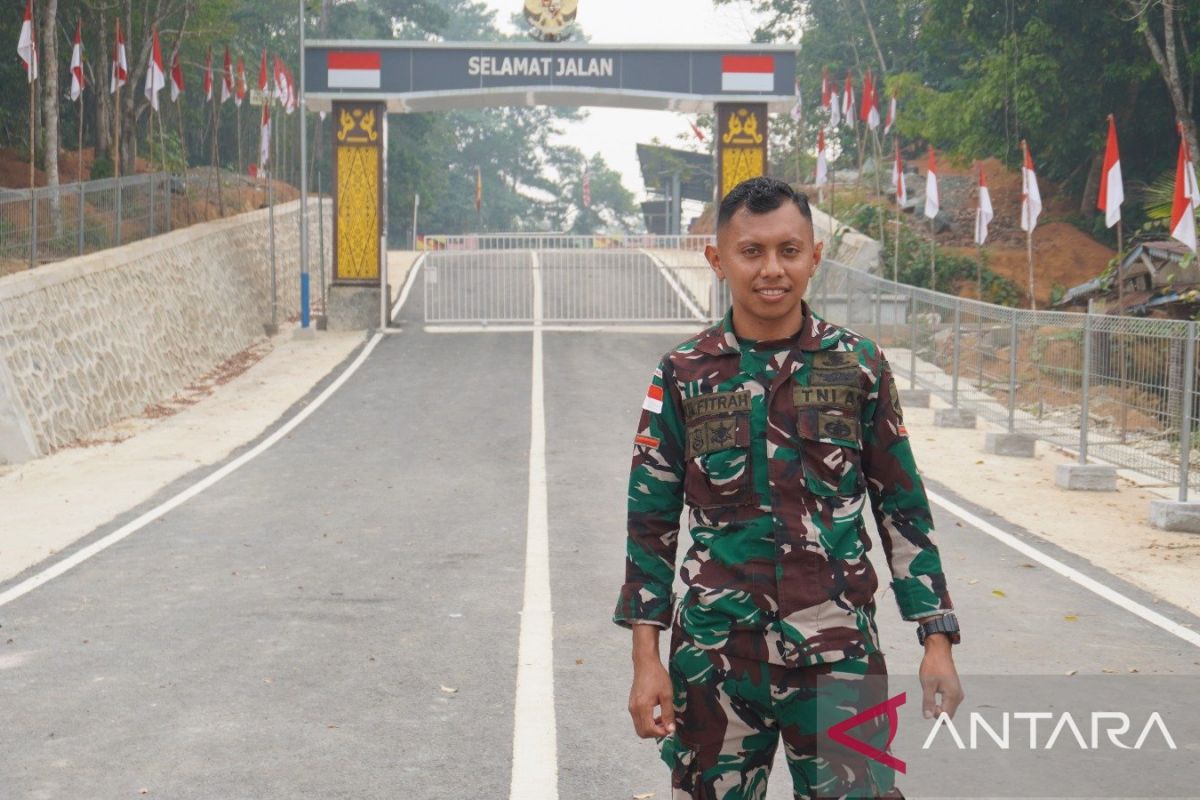
The Sambas Regency Government, West Kalimantan Province, continues to push for improved connectivity and access to Temajuk Village to establish it as a more advanced border tourism area, by proposing that the status of the Temajuk (Sambas) border crossing with Telok Melano (Sarawak) be upgraded.
“To maximise the potential of border tourism in Temajuk, an increase in connectivity and a change in the status of the border crossing is indeed required to open up wider access for visitors,” said the Head of the Regional Development, Research, and Innovation Agency (Baperinda) of Sambas Regency, Serli, in Sambas on Sunday.
She stated that Temajuk, which directly borders Telok Melano, Sarawak, Malaysia, currently has a Border Post (PLB) that is set to be reactivated in August 2026. The existence of this access presents opportunities for the development of economic, trade, and cross-border tourism activities.
However, tourism stakeholders and actors in the area hope that the development of Temajuk does not stop at the operation of the border post. Upgrading the status to a National Border Post (PLBN) and constructing connecting infrastructure are considered essential so that tourism potential can develop optimally.
“The need for connectivity is becoming increasingly important because Temajut is projected not only as a border area but also as a tourist destination that can connect local economic potential with a wider market,” she added.
Meanwhile, the Head of the Youth, Sports, and Tourism Office (Porapar) of Sambas Regency, Dedy, assessed that Temajuk possesses strong tourism assets to be developed as a premier destination. The area has significant potential for beach, nature, and marine tourism that can be packaged as an attraction for both domestic and international tourists.
He noted that such development requires easier and more comfortable transport access. The better the connectivity to Temajuk, the greater the opportunity for tourists to visit and stay longer, thereby providing an impact on the lodging, culinary, transport, MSME, and creative economy sectors.