
Samarinda Preserves 17 Cultural Heritage Sites to Support Regional Identity
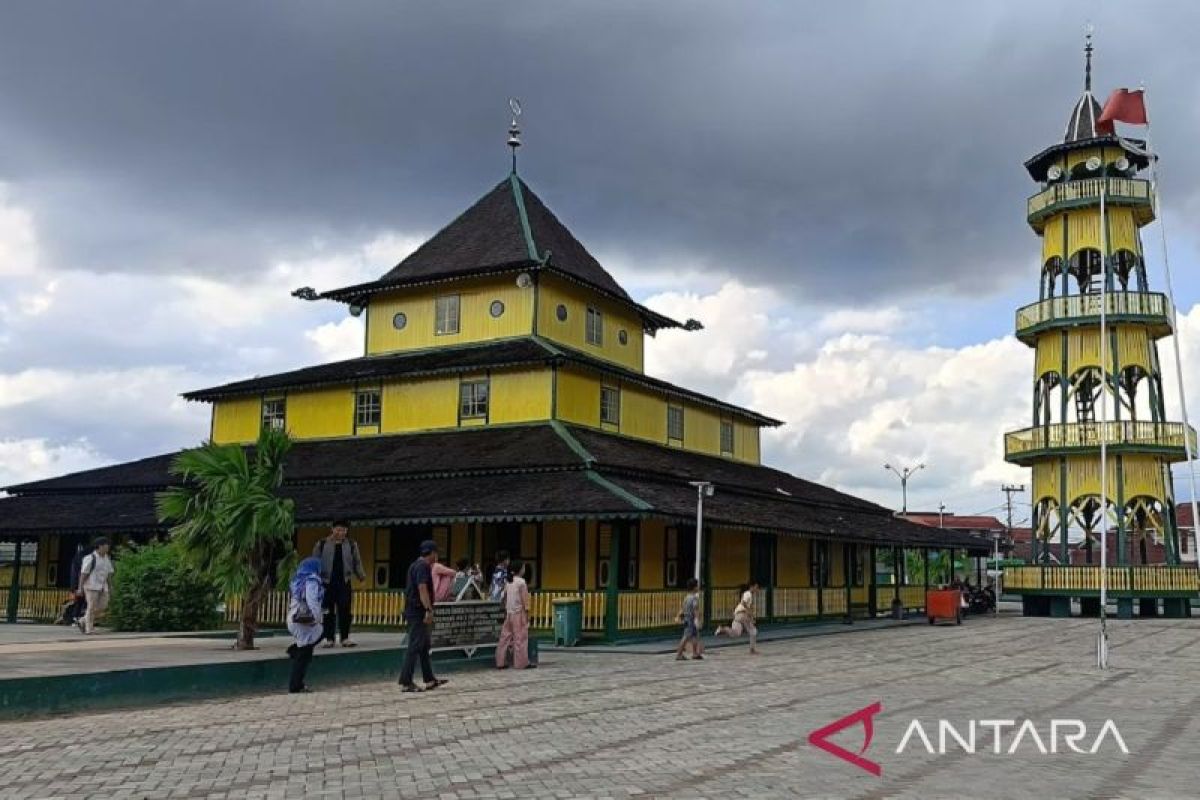
The Samarinda City Government, via the Department of Education and Culture (Disdikbud), is working to preserve 17 cultural heritage sites to strengthen the region’s identity and history amidst rapid urbanisation.
“The preservation of 17 heritage sites, such as the Shiratal Mustaqim Mosque, Thien Ie Kong Temple, the National Rebuilding Monument, and the Tomb of La Mohang Daeng Mangkona, is our top priority to maintain the collective memory of our citizens,” said Barlin Hady Kusuma, Head of the Culture Division of Samarinda’s Disdiklar, on Sunday.
These historical sites are currently being developed into alternative public spaces rich in educational value for students and the general public. Barlin stated that the management of these regional heritage sites is aligned with the long-term vision of the Samarinda City Government to establish a centre of civilisation that is both advanced and characterised by its heritage.
“We are striving to facilitate the younger generation so they can utilise these heritage objects as tools for historical learning and as venues to express artistic works,” he added.
Physical protection measures for these heritage sites are being accompanied by the strengthening of local regulations to ensure that historical sites are not eroded by the pace of land-use conversion. Barlin further noted that synergy with hundreds of art studios and local communities is being strengthened to revitalise the historical atmosphere around cultural tourism destinations.
“The presence of well-maintained historical sites provides a very strong knowledge background for tourists visiting this region,” said Barlin.
In addition to the physical arrangement of heritage sites, the local government is also actively encouraging the registration of various intangible cultural heritage works at the national level. Support through digitalisation facilities and periodic exhibitions is also being prepared at the city museum to introduce hundreds of historical artefacts to visitors.
“The integration of heritage objects, museums, and annual art festivals has proven capable of awakening pride among citizens regarding their local cultural wealth,” he emphasised.
The city government has allocated continuous development programmes for local artists and cultural practitioners to ensure the ecosystem of regional tradition advancement can grow independently. According to Barlin, these comprehensive efforts to preserve historical values can boost tourism appeal while simultaneously driving the local community’s economy.
“We urge all levels of society to work together in caring for these historical legacies so that the identity of Samarinda City remains preserved for the future,” concluded Barlin.