
Sakura Waste Bank in South Jakarta processes used cooking oil into laundry soap
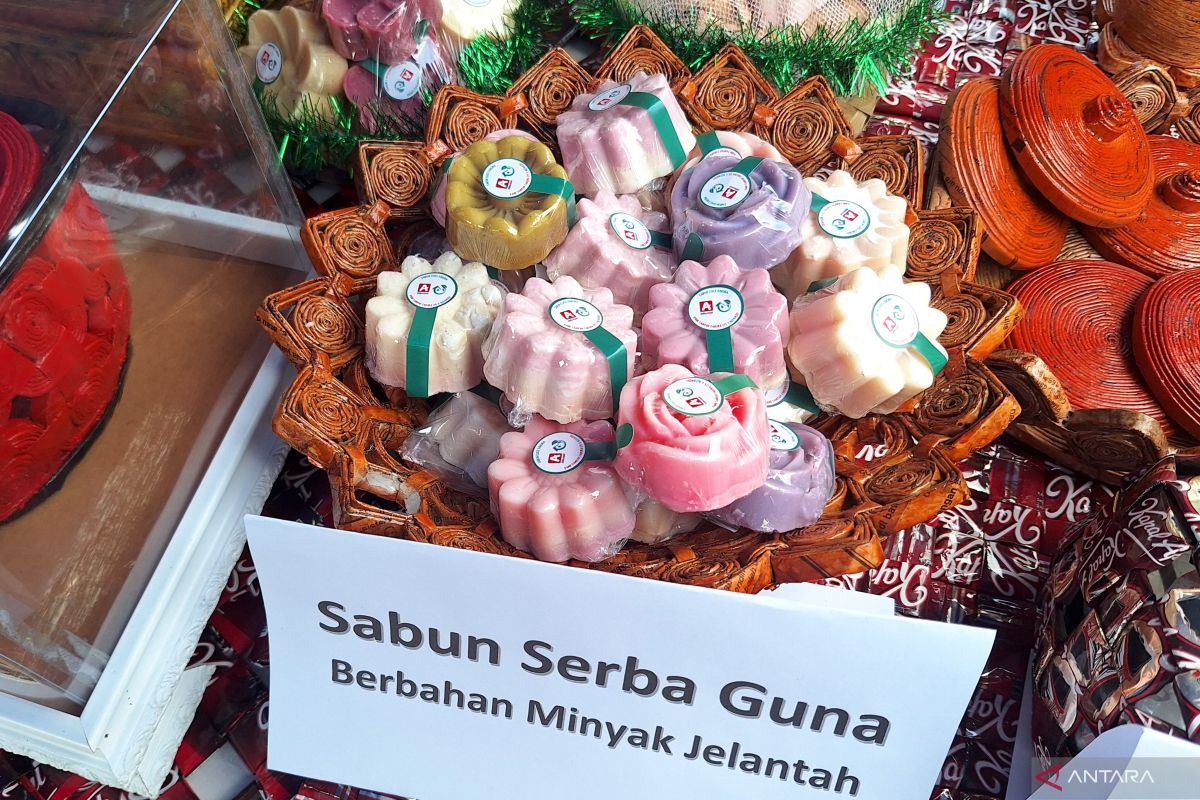
Jakarta (ANTARA) - The Sakura Waste Bank, located in RW 05, Srengseng Sawah Ward, Jagakarsa, South Jakarta, processes waste used cooking oil into economically valuable laundry soap. “The process takes about two weeks, using used cooking oil, caustic soda, water, food colouring, and essence,” said a member of the Sakura Waste Bank, Sudiasmoro, at RPTRA Citra Betawi Jakarta on Wednesday. He explained that processing used cooking oil into soap involves a simple method but requires around two weeks. The resulting laundry soap is sold for about Rp2,500 per bar. In addition to processing used cooking oil, the Sakura Waste Bank also utilises waste old newspapers to create crafts such as lamp decorations. “For crafts from old newspapers, the process usually takes two to three days and can be sold for around Rp250,000 to Rp300,000,” he stated. This waste bank activity is carried out routinely every two weeks, specifically on Saturdays, involving local residents. The South Jakarta Environmental Sub-Department targets 579 Rukun Warga (RW) to have waste banks as one of the environmental management efforts that impact the community by 2026. This target is able to process waste more effectively and generate economic value for the community. South Jakarta (Jaksel) covers an area of 153.9 square kilometres (km²) with 2.3 million residents and produces around 1,900 tonnes of waste per day. The DKI Jakarta Environmental Agency, together with related agencies, will continue efforts to increase the number and effectiveness of waste banks through socialisation of waste sorting to residents and coordination with RW heads for organising waste bank management. Inventory of facilities and infrastructure that have been distributed, including scales, coordination with wards in issuing waste bank decrees with support from mayors/sub-district heads/ward heads, as well as training and operational assistance for waste banks. In addition to supporting environmental aspects through waste banks, circular economy-based waste management is also expected to provide economic benefits to the community and support the “zero waste” target by 2050.