
Sailfin Catfish Testing Indonesia's Aquatic Food Sovereignty
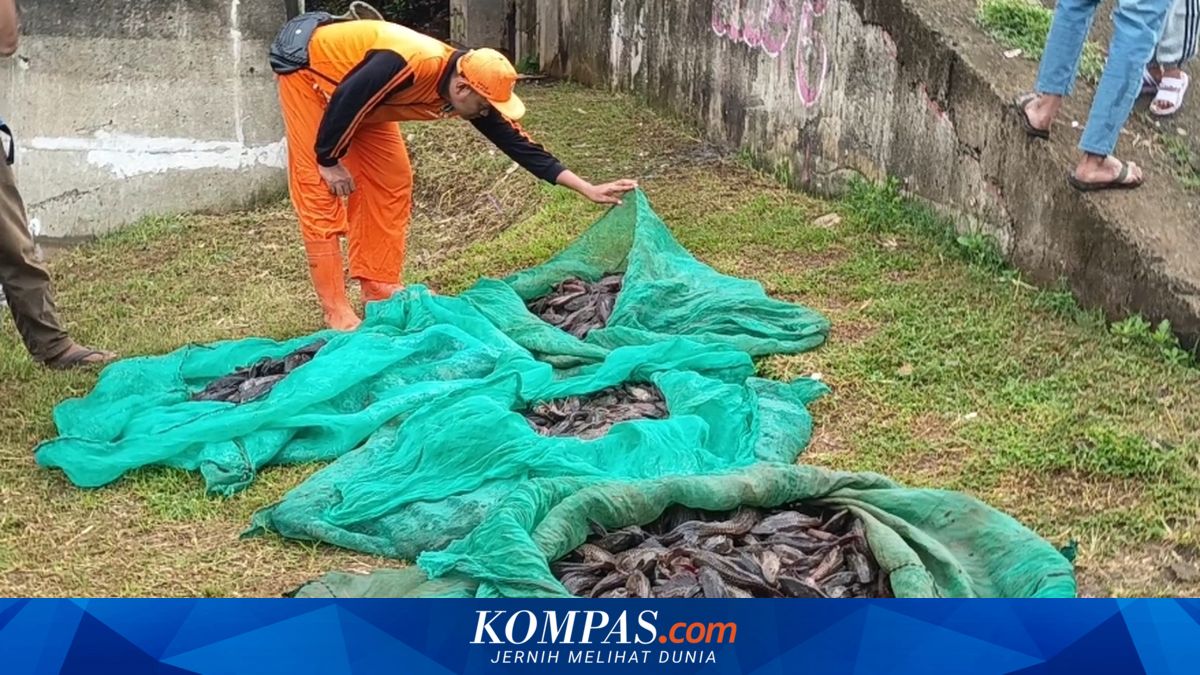
Disregarding issues perceived as minor is a common occurrence in Indonesia. This pattern repeats until the problem becomes massive, structured, highly impactful, and sparks public outcry. The issue of sailfin catfish (Pterygoplichthys spp.) is one such example. Referring to sailfin catfish merely as an “invasive fish” problem amounts to oversimplification and excessive politeness. Sailfin catfish have seized space and altered the rules of the ecosystem in rivers, lakes, and reservoirs. This fish damages riverbanks and beds, leading to sedimentation. It also competes with native fish for space and food resources. They reshape the waters that sustain inland fisheries and local dietary patterns. This must be viewed as a threat to Indonesia’s aquatic food sovereignty. Aquatic food sovereignty is not merely about the quantity of food or fish production. It concerns who controls the aquatic food system and which species remain and play roles. Furthermore, it questions whether local communities can still control their waters or aquatic food sources. Therefore, aquatic food sovereignty cannot be separated from the threat posed by invasive sailfin catfish to inland fisheries in Indonesia. Inland fisheries are crucial for food security, nutritional fulfilment, and local livelihoods. However, according to the Food and Agriculture Organization (FAO), inland fisheries are highly vulnerable to various pressures. These pressures particularly include environmental degradation and invasive fish species. If invasive fish species spread easily and thrive in inland waters, the ecological foundation upon which local communities rely will weaken. This especially harms small-scale fishermen who depend on catching fish for their livelihood. Thus, understanding the characteristics of the sailfin catfish species threatening inland fisheries is crucial. According to J. Patoka and colleagues (2020), sailfin catfish is one of two illegal species native to South America that has established itself in Indonesia’s inland waters. This catfish-like fish with sail fins spreads easily due to its high reproductive capacity and extreme tolerance to poor environmental conditions. Sailfin catfish reproduces very effectively, producing up to 18,000 eggs per spawn. They can also survive when other fish species perish due to water scarcity by burying themselves in mud holes or burrows.