
Said Urges Affirmative Excise Policy for Class III Cigarette Factories
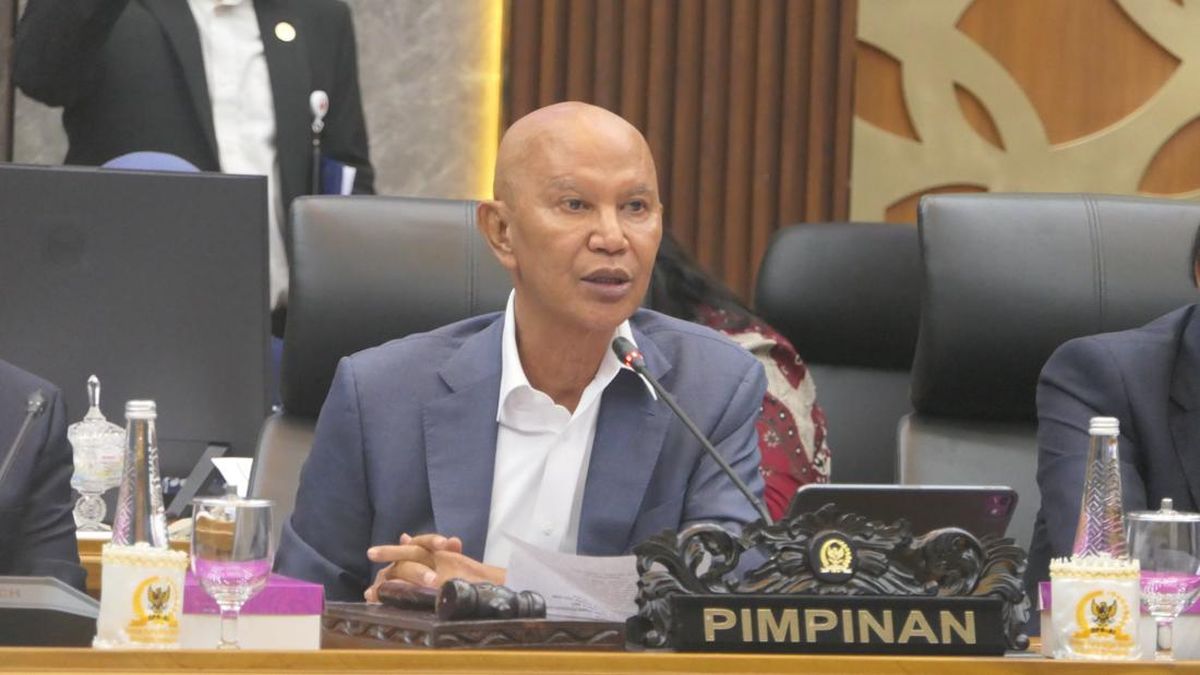
House of Representatives (DPR RI) Commission XI member Said Abdullah has urged the government to consider an affirmative policy for the Class III tobacco industry when formulating excise regulations. He believes this step is crucial to maintaining the viability of small and medium-scale cigarette factories while improving compliance with official excise stamp usage.
Said assessed that simplifying the excise tariff structure, particularly for Class III, must be done by considering the highly diverse character of the national cigarette industry. He cited conditions in Madura, which hosts numerous Class III cigarette manufacturers with varying products and production capacities.
“We must be able to understand the character and pattern of the cigarette industry in the country. The cigarette industry, especially in my area like Madura, has many levels, and on average they are in Class III. Their products are also diverse with different production scales,” Said was quoted as saying on Sunday (21/6).
According to him, an overly simple tariff simplification could potentially create difficulties for small and medium cigarette producers. Amid an economic situation that has not fully recovered, the tobacco industry still contributes significantly to state revenue through excise while absorbing a substantial workforce.
Said revealed that in Madura alone, the tobacco industry directly employs more than 186,000 workers. This figure does not yet include indirect labour or economic activities growing in the downstream sector.
“If the excise tariff groups are too simple, especially in Class III, it will trouble small and medium-scale cigarette factory producers. In a poor economic situation like today, cigarette factories contribute excise tariffs and employment,” he stated.
Therefore, he believes the government needs to provide special treatment in the form of an affirmative policy for Class III manufacturers. This measure is considered capable of giving space for various types of small cigarette businesses to continue operating legally and using official excise stamps.
Said argued that the current high excise rates are one factor making it difficult for some new producers to survive. The majority of Class III manufacturers under 20 years old, he said, do not yet have a strong market, so the excise burden is often disproportionate to their business calculations.
“The current Class III tariff will be hard for new cigarette producers, whose average age is under 20 years, to achieve, as they do not yet have a strong market segment. Because the Class III excise tariff is expensive and not commensurate with their business calculations, they instead choose to use counterfeit excise stamps,” he said.
As a solution, Said proposed providing an excise tariff incentive of Rp300 per stick specifically for Class III manufacturers under 20 years old. According to him, this policy would encourage business actors to switch to legal excise usage, potentially increasing state revenue.
“If they are given an affirmative excise tariff, for example an excise tariff incentive of Rp300 specifically for manufacturers under 20 years, this policy will encourage them to be covered by legal excise, excise revenue will rise, and their business climate can operate without being chased by excise officers,” he remarked.
He also dismissed the notion that having many layers of excise tariffs would automatically reduce state revenue. According to him, increased tobacco production and a growing number of compliant producers could actually boost excise contributions.
Furthermore, Said assessed that an affirmative policy would facilitate supervision while suppressing the circulation of counterfeit excise stamps. With more affordable costs, business actors would reportedly prefer using official excise stamps rather than risking legal violations.
“We must actually be able to encourage cigarette factories using counterfeit excise stamps to willingly use official ones. If they are given an affirmation policy as I explained above, of course this can be realised by the government,” he said.
Nevertheless, Said stressed that law enforcement must still be carried out against business actors who continue using counterfeit excise stamps after the government provides incentives and facilities. He supports imposing strict sanctions and heavy fines on violators.
According to Said, the government’s main focus is not adding new excise tariff layers, but designing a more targeted affirmative policy for the Class III tobacco industry so it can grow legally and contribute more significantly to the national economy.