
Said Iqbal Says Manpower Minister Gives Positive Signal on 0 Percent JHT Tax
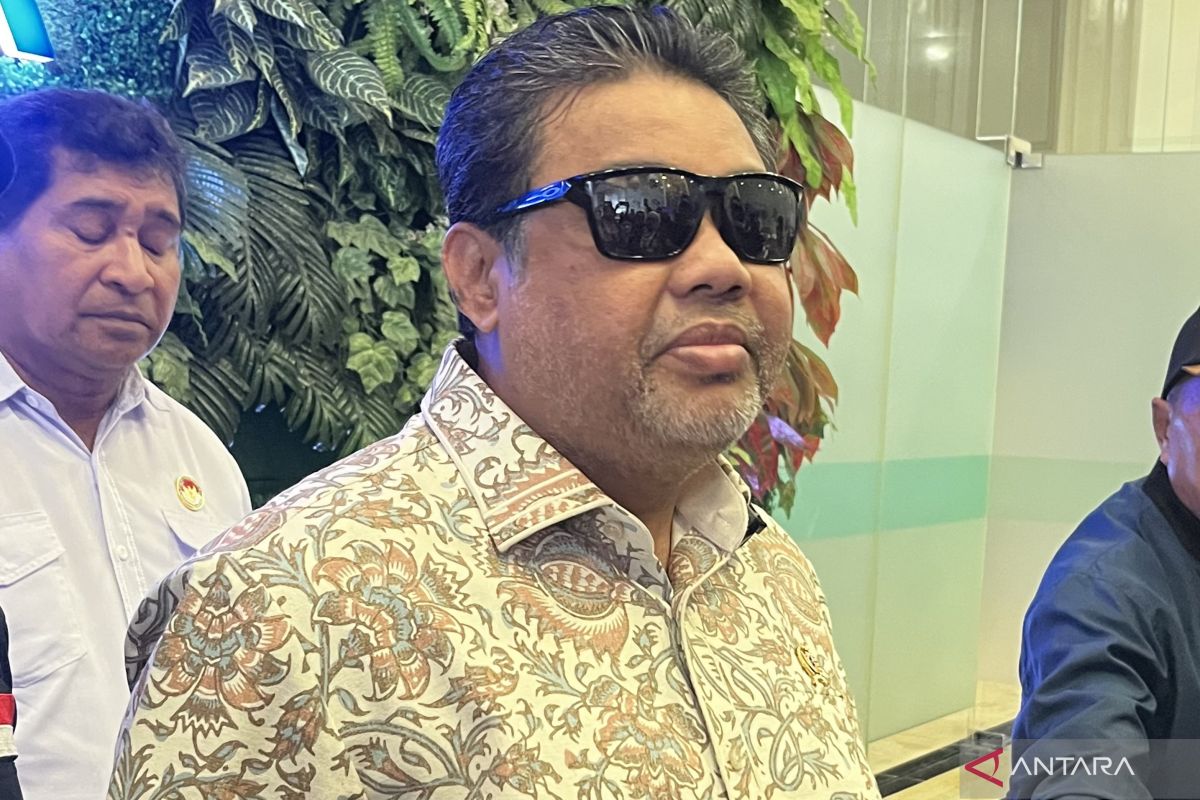
Presidential Special Adviser for Manpower and Workers’ Welfare, Said Iqbal, stated that Manpower Minister Yassierli has given a positive signal regarding the application of a zero percent tax on Old Age Security (JHT) payouts. “The Manpower Minister is very supportive of a zero percent JHT tax. We share the same understanding and agreement; the Minister will also communicate with the Finance Minister that he agrees on a zero percent JHT tax,” Said Iqbal said when met at the Ministry of Manpower office in Jakarta on Thursday. He mentioned that the proposed facility of a zero percent final income tax rate would apply to JHT withdrawals of up to IDR 50 million. “Alternatively, if that is not possible, the taxable threshold for JHT, which currently imposes a 5 percent tax on amounts above IDR 50 million, should be changed. The Manpower Minister will communicate this with the Finance Minister,” he added. He also encouraged the government to review the mechanism for imposing progressive tax on workers who experience layoffs more than once and thus make repeated JHT withdrawals. “The same goes for the progressive tax. The Manpower Minister agrees. The Finance Minister also agrees that there should be no progressive tax on JHT,” Said Iqbal said. Previously, Finance Minister Purbaya responded to the discourse on a zero percent tax for JHT. The facility of a zero percent final income tax rate is proposed for JHT withdrawals of up to IDR 50 million. The government will also examine the possibility of adjusting tax provisions that still refer to old regulations to align them with the development of the social security system and labour market dynamics. Purbaya stated that any change in tax policy must maintain a balance between worker protection, legal certainty, the sustainability of social security programmes, and the health of the state’s fiscal position.