
Sa'i, Resilience, and the Indonesian Mentality
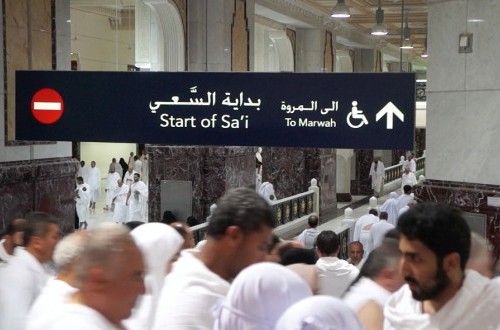
Amid the two silent hills—Safa and Marwah—history records the boldest heartbeat in human history. Siti Hajar, a mother standing alone in the barren valley of Bakkah, embraced the silence amid the cries of thirst from her infant son, Ismail.
Under the scorching sun, Hajar kept running between the burning sands. Seven times she circled the two hills of Safa and Marwah, all to obtain a drop of water to quench her little baby’s thirst.
Hajar was not doubting her Lord. Rather, it was a declaration that as long as feet remain planted, effort must not stop. This is the most epic episode in the world.
Sweat evaporating before it could fall to the ground, eyes squinting in search of a water mirage, and a heart continuously whispering, “God will not waste us.”
Then, the miracle came not from the hilltop where she ran, but from the kick of little Ismail’s foot. Zamzam sprang forth—a sign that sustenance can come from unexpected directions and effort never betrays results.
Sa’i Amid the Geopolitical Storm
Siti Hajar faced not only thirst but isolation. She was in a valley without protection, flanked by uncertainty. The world today is similar; global geopolitics is creating new “deserts,” with countries battling each other with their own powers and interests. Alliances shift, and energy and food crises lurk like the burning sun.
If Safa and Marwah are two points that must be traversed back and forth, Indonesia today stands between the poles of the world’s great powers. Geopolitical pressures force Indonesia to move nimbly—like Hajar’s little runs (lari-lari mudarobah).
The struggle of Hajar is about resilience. Indonesia’s current condition, grappling with various impacts of global crises, requires the mentality of Siti Hajar. There is no place for pessimism. Complaints will not produce a spring.
Only consistent hard work—collective from all elements of the nation—can transform the barren plain of conflict into an oasis of prosperity. Amid threats of war in various parts of the world, the “water” we seek is no longer just a metaphor but real sovereignty.
Our success in managing natural resources and downstreaming domestically is a form of Ismail’s foot kick—an effort to seek independent sources of life so we do not continuously depend on the “mirage” of foreign aid that is never free.
Hajar did not stop at the third or fourth round. She completed all seven rounds. Siti Hajar teaches that we must not become victims of circumstances. We are actors who must keep running to find solutions.
The secret of Zamzam is not in how fast we run, but in how steadfast we believe that behind every difficulty, there is a spring being prepared by God.
Indonesia does not need people who just sit lamenting fate. We need souls with the sa’i mentality: those who keep moving, who never give up even when thirst chokes, and who are certain that every stride of struggle—no matter how small—will ultimately bring blessings for future generations.
If Siti Hajar could turn a dead valley into an eternal holy city through effort and prayer, then Indonesia too has the opportunity to emerge as a spring for the world amid the current global drought of peace.