
Safety and Privacy of Women and Children Highly Vulnerable in Nepal Following Floods
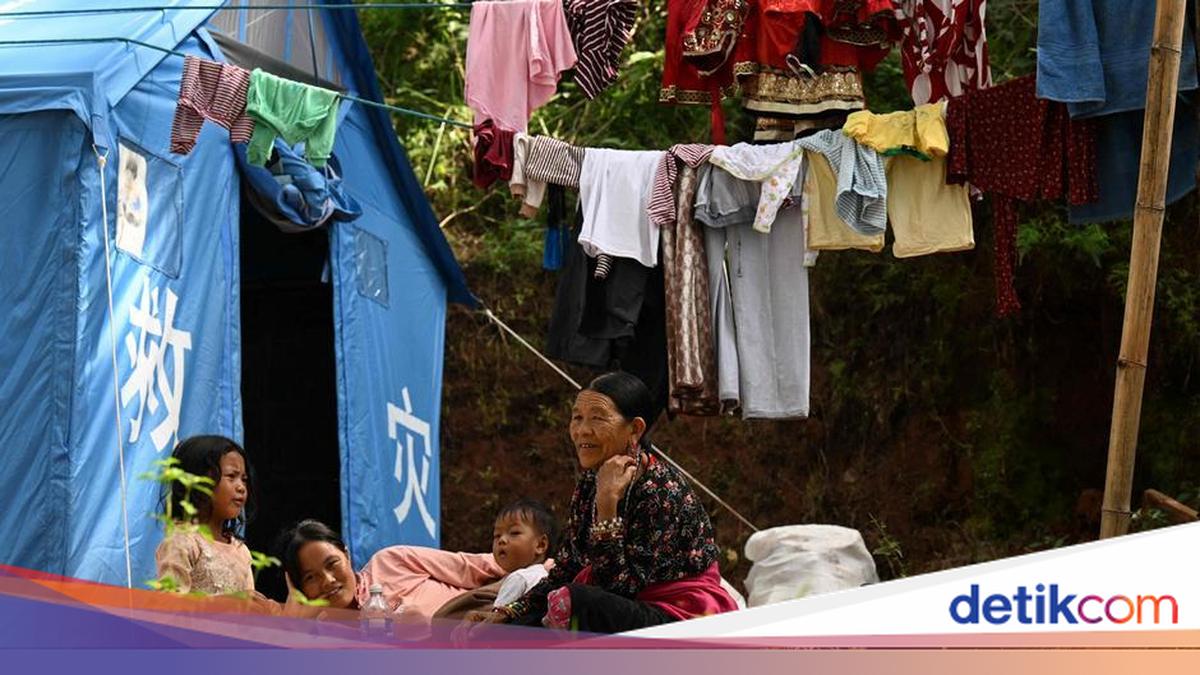
One month has passed since devastating flash floods struck Nepal, leaving Karishma Tamang having lost her community in the Rasuwa District. Karishma, a 26-year-old woman who is currently pregnant, is struggling to find safe accommodation.
While awaiting the birth of her second child, she frequently moves locations with her four-year-old daughter. “Initially, we were housed in a roofed hall in Bidur Municipality, Nuwakot District,” she told DW, adding that hundreds of people shared the same shelter for several days.
“Now we have moved to a small emergency family tent in the Barahachaur area nearby. However, we still cannot sleep on rainy nights because the tent leaks when it rains,” she continued. She also noted that her brother and two nephews have yet to be found.
There are no proper toilets, although a small emergency latrine has been constructed near the tents, Karishma said.
Children and pregnant women like Karishma require privacy and security, yet such facilities remain scarce in the flood-affected regions of this Himalayan nation.
“It would be wonderful to have adequate housing where I can cook my own food, feel safe, and be somewhat comfortable,” she hoped.
Security issues in temporary shelters
The floods on 26 August, triggered by a glacier collapse along the Nepal-China border, killed approximately 1,450 people and left more than 5,500 others missing. Reconstruction costs are estimated to reach €4.2 billion, or roughly Rp85.2 trillion.
At least seven individuals, including young girls, women, and local volunteers in temporary shelters and displacement camps, spoke to DW. Although none reported experiencing sexual harassment or violence, their stories highlight extreme vulnerability and significant concerns regarding their safety post-flood.
Sabita Tamang, who lost her five-year-old daughter, a nephew, and a niece in the floods, is also living in an emergency tent in Barahachaur. The 24-year-old said she must walk long distances to the nearest water source to bathe and collect water.
“We feel uncomfortable bathing in the open amongst strangers and locals we do not know,” she told DW. “Many children have witnessed family members, friends, and neighbours being swept away by the floods,” she added, expressing concern regarding the impact on their mental health and education.
Risks of human trafficking and abuse
Save the Children Nepal has warned that protection measures for children and their families must be strengthened across flood-affected areas amidst fears of human trafficking, violence, exploitation, and child marriage.
Many families have moved into rented rooms. However, hundreds of others remain in temporary shelters and emergency tents in the Nuwakot and Dhading districts.
Save the Children Nepal revealed concerns regarding privacy and security for girls and women, as strangers have unrestricted access to communal spaces.
Ayush Joshi, Director of Advocacy, Campaign, Communication, and Media at Save the Children Nepal, told DW that their reports are based on qualitative assessments involving those affected, including women, children, and volunteers deployed to flood-hit areas.
“Many temporary shelters were built without planning. Camps on the outskirts of towns have inadequate lighting at night and a lack of separate bathrooms and private spaces,” Joshi told DW, highlighting the unrestricted access for strangers. “Such situations increase the risk of insecurity, potential harassment, and exploitation, especially for adolescent girls and children,” he emphasised.
Joshi noted that following the disaster, many people have been separated from their families, and many have lost relatives, leaving older siblings forced to become caregivers for their younger siblings.
“In such circumstances, cases of school dropout and child marriage could increase,” he added, referring to field assessments by Save the Discretion.
“We have seen many children facing mental health issues, such as anger, fear, and intense crying. They require socio-emotional recovery.”
Government contribution
The government, which has also recognised the risks of human trafficking and potential abuse, has decided to partner with organisations such as Save the Children, the police, and local authorities to strengthen protection measures at displacement sites.
Chakra Bahadur Budha, a spokesperson for the Ministry of Women, Children, Gender, and Sexual Minorities, stated that the government has increased monitoring and surveillance, as well as raising awareness about gender-based violence and human trafficking.
“We have deployed all relevant parties to be on alert, checking entry and exit points to ensure that those affected are not trafficked or exploited,” he said.
Authorities have taken custody of 78 children from two Buddhist monasteries in Kathmandu and placed them in temporary camps. Budha explained that the monasteries had rescued and assisted the children by offering long-term housing, education, and employment, but the government does not recommend this be practised outside of established procedures.
“We have strictly prohibited religious or charitable organisations from housing children without following legal procedures,” Budha told DW. “Adoption is also not recommended at this time, but children can be placed with close relatives, such as…
Source: jawawa.id (https://jawawa.id/newsitem/safety-and-privacy-of-women-and-children-highly-vulnerable-in-nepal-following-floods-1790855995)
Originally published by detikcom (https://news.detik.com/dw/d-8688242/keamanan-dan-privasi-perempuan-anak-di-nepal-sangat-rentan-usai-banjir), translated from Indonesian