
Safeguarding the Ujung Kulon ecosystem
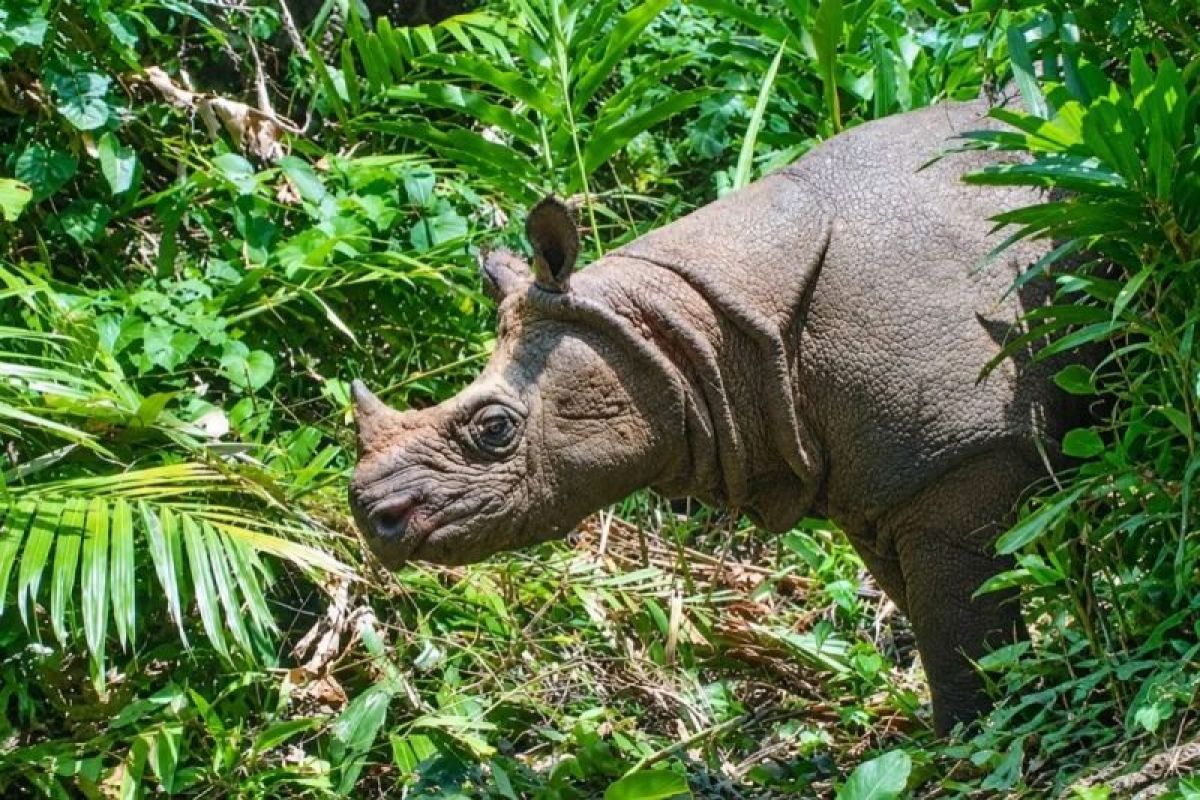
Ujung Kulon is not merely an area with natural resource potential, but an ecological heritage that supports biodiversity, marine productivity, coastal protection and people’s livelihoods.
Jakarta (ANTARA) - Ujung Kulon National Park in Pandeglang Regency, Banten, is more than a forest that serves as the last habitat of the Javan rhinoceros (Rhinoceros sondaicus). It also holds ecological riches that link tropical forests, river basins, coastlines, coral reefs and marine waters.
These connections form an integrated ecosystem that sustains biodiversity, maintains environmental balance and supports the lives of coastal communities.
The future of the area requires particular attention following the issuance of Presidential Regulation No. 65/2025 on the Zoning Plan for the Southern Java, Bali and Nusa Tenggara Inter-Regional Marine Area, followed by Energy and Mineral Resources Ministerial Decree No. 65.K/MB.01/MEM.B/2026 on Mining Areas in Banten Province, dated 12 February 2026.
The two policies have prompted discussion about the relationship between the use of mineral resources, marine spatial planning and the protection of areas with high conservation value.
It is important to understand that Presidential Regulation No. 65/2025 governs the zoning plan for inter-regional marine areas; it does not designate Ujung Kulon National Park as a conservation area.
Meanwhile, the Energy and Mineral Resources Minister’s decree establishes mining areas in Banten Province. The designation of a mining area does not, in itself, constitute an operating permit for exploration or exploitation.
Even so, the policies warrant attention, because any opportunity to use natural resources can bring ecological risks and consequences if environmental carrying capacity is not carefully taken into account.
From a marine biology perspective, Ujung Kulon has ecological links between land and water. Mangrove ecosystems in suitable habitats, seagrass beds, coral reefs and open waters provide living spaces for many kinds of organisms.
Each component performs a role in the ecosystem, providing places to feed, shelter, reproduce and raise young. Coral reefs support many types of fish and marine invertebrates, while seagrass beds help stabilise sediment, store carbon and maintain marine productivity.
The diversity of coastal vegetation also has an important ecological function. In addition to stabilising the substrate, coastal plants help dampen wave energy and reduce the coast’s vulnerability to erosion.
The connections among all these components show that a change in one habitat can affect the balance of other ecosystems. Increased sedimentation, for example, can make water more turbid, restrict sunlight penetration and disrupt photosynthesis in seagrass and in coral symbiotic organisms.
Source: jawawa.id (https://jawawa.id/newsitem/safeguarding-the-ujung-kulon-ecosystem-1795672350)
Originally published by Antara (Indonesian) (https://www.antaranews.com/berita/5879503/menjaga-ekosistem-ujung-kulon), translated from Indonesian