
Safeguarding the city from fear
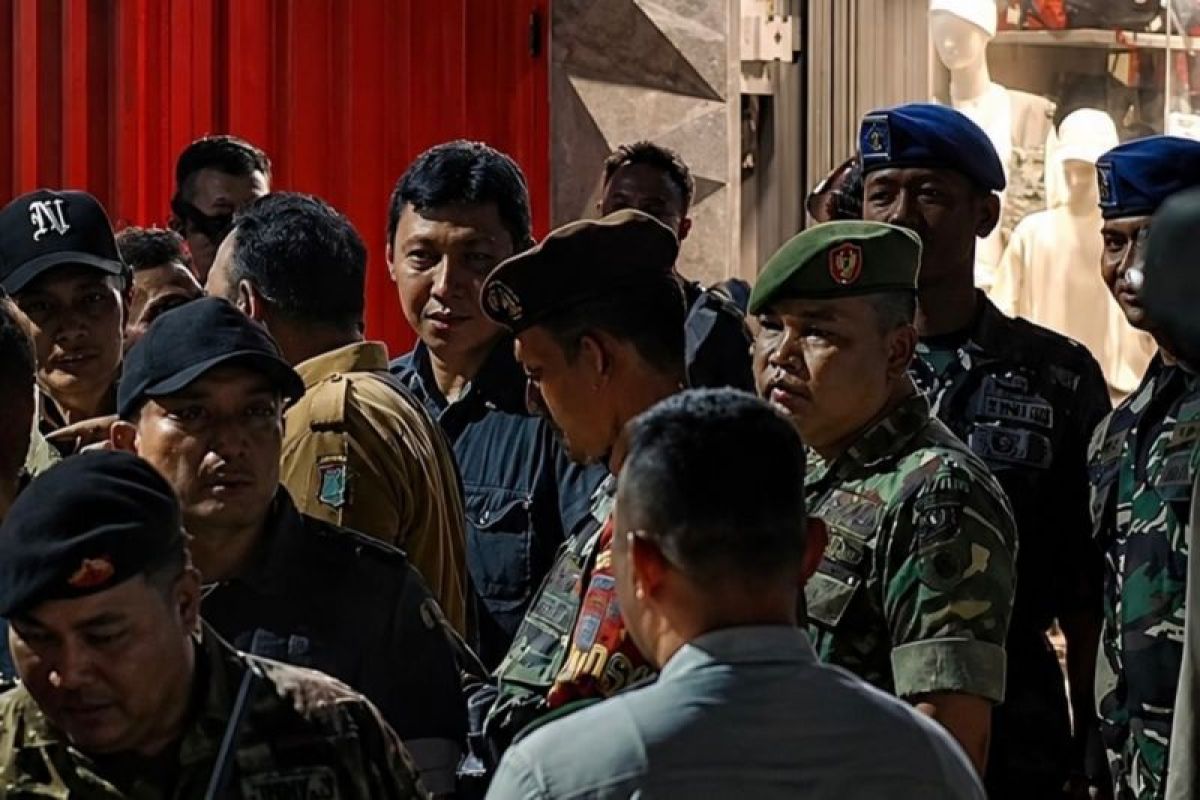
Premanisme is a problem that continually adapts to social and economic changes. Therefore, supervision must be ongoing, inter-agency coordination must be maintained, and the community must continue to be involved as a partner.
Not all fear is born from major crime. Sometimes it grows from seemingly trivial things. A shop owner, for instance, is reluctant to open his business early for fear of being visited by a certain group. On another corner, a street vendor feels compelled to pay illegal levies just to keep trading. Meanwhile, a motorist chooses to pay a parking fee even though they know the location is actually free.
Over time, this fear turns into a habit, and when a habit is allowed to persist, complicity is born. Premanisme often works this way. It is not always present in the form of open violence, but through intimidation that makes people feel they have no choice. When intimidation is considered normal, the law loses its authority, while public spaces are slowly controlled by forces outside the rules.
This phenomenon has become a focus of attention in Surabaya, East Java. In recent months, the Surabaya City Government, together with law enforcement officials, has formed an Anti-Premanisme Task Force and intensified various control operations. These measures not only target illegal parking practices but also alleged asset grabbing, illegal levies, and various forms of intimidation that disrupt public order.
A case of alleged shop-house asset grabbing in the Ngagel Rejo area demonstrated that premanisme is no longer just an ordinary criminal issue. A dispute over asset ownership, which should have been resolved through legal channels, instead turned into a forced takeover involving a group of people. The Surabaya City Government subsequently handed the matter over entirely to law enforcement officials and stressed that there must be no resolution through violence. This incident highlights a larger problem. What is at stake is not just a building, but legal certainty. When someone who has legally acquired an asset still faces intimidation, questions arise about how safe investment and economic activity can truly be.