
Safeguarding Lobster Seed for the Future of the Blue Economy
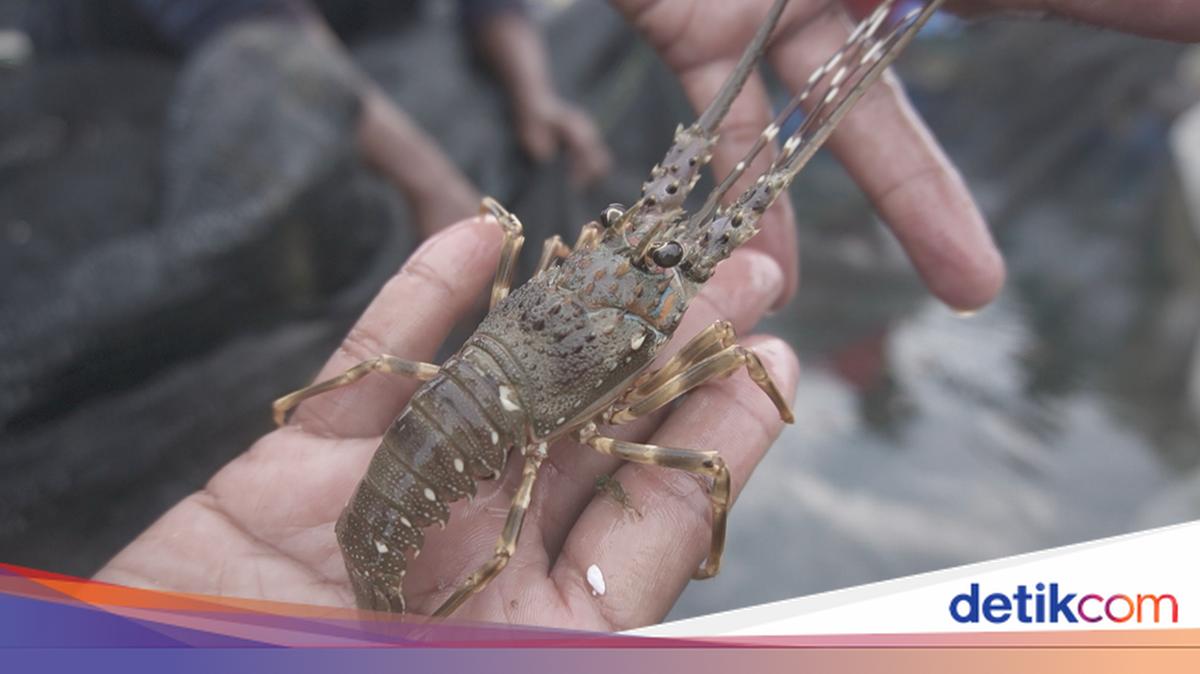
Indonesia has abundant supplies of lobster puerulus (BBL), but that potential has yet to become a full-fledged national economic asset. Despite its considerable resources, the country continues to face lobster seed smuggling overseas and has not fully developed its domestic lobster farming industry.
This situation shows that safeguarding marine wealth requires more than ensuring resources remain available; the state must also manage them so they bring economic benefits to the public.
Under Indonesian Minister of Marine Affairs and Fisheries Decree No. 21 of 2026, the potential supply of lobster puerulus in Indonesian waters is estimated at 465.79 million a year. This represents a substantial foundation for developing a national lobster industry.
However, that potential meets strong international market demand. Vietnam, for example, is estimated to need around 400–500 million lobster puerulus each year. Some of this demand is met with seed originating from Indonesian waters.
This situation highlights an economic paradox. Indonesia has a natural-resource advantage but has not yet been able to turn it fully into productive capacity. Other countries, meanwhile, can potentially capture greater added value through lobster grow-out and aquaculture.
The price gap illustrates the scale of the difference in economic value along the lobster trade chain: Indonesian fishers receive around Rp 8,500 per seed, while the price in Vietnam can reach US$2 each.
The issue cannot be viewed solely as illegal trade. The illegal export of lobster puerulus also deprives Indonesia of the opportunity to develop its own aquaculture industry.
The economic potential outlined in Ministry of Marine Affairs and Fisheries policy estimates that the value lost could reach US$3 billion, or around Rp 30–40 trillion a year. This figure represents economic potential that has not been optimally realised, rather than a measured amount of state losses.
For this reason, the management of lobster puerulus must put coastal communities at the heart of policy. Small-scale farmers and local fishers should not be confined to the bottom of the economic chain.
They must have the opportunity to participate in aquaculture and share in the economic benefits of using these resources. Lobster management policy should ensure that marine wealth does not benefit capital owners alone, but also creates better livelihoods for coastal communities.
Against this backdrop, changes to regulations governing lobster puerulus should be understood as part of an evolving policy effort to find the right management framework. Since 2015, the government has revised rules on catching, farming and using lobster puerulus several times.
These changes reflect the complexity of managing the commodity. Whatever regulatory instruments are used, policy must consistently aim to sustain resources, protect the livelihoods of small-scale farmers and coastal communities, and prevent the loss of economic potential through smuggling.
To address these challenges, the government established the Task Force to Eradicate the Illegal Export of Lobster Puerulus under Presidential Regulation No. 69 of 2026. The task force is intended to strengthen coordination across ministries and agencies in preventing, monitoring and taking action against smuggling networks.
This integrated approach is necessary because illegal lobster-seed exports involve not only operatives on the ground, but also distribution networks and those who profit from the activity.
The complexity of smuggling networks was evident in the case uncovered in Depok, West Java, on 19 October 2026. Authorities intercepted a shipment of 72,877 lobster puerulus believed to have originated in Pangandaran and destined for overseas markets via Tangerang and Sumatra.
Investigators are also tracing those who issued the orders, financed the operation and determined the shipment’s final destination. The case shows that combating smuggling requires law enforcement to reach every link in the criminal chain, not just those tasked with transporting the seed.
To date, enforcement efforts by the task force have safeguarded an estimated Rp 276 billion in state value. This achievement underscores the importance of inter-agency cooperation in protecting fisheries resources.
However, success in tackling smuggling should not be measured solely by the number of seeds seized or the value of potential losses averted. The more fundamental measure is whether the state can ensure these resources are used productively and benefit people in Indonesia.
This is why developing a national lobster aquaculture industry is so important. Law enforcement must go hand in hand with building farmers’ capacity, developing technology, increasing investment and establishing a sound supply chain.
Indonesia needs to build an aquaculture ecosystem capable of making sustainable use of its lobster-seed potential. Farming should develop beyond a small-scale economic activity into a competitive industry that creates added value domestically.
The industry’s development must also take account of coastal communities’ capabilities and access. The government needs to ensure that small-scale farmers have a fair opportunity to participate in the lobster business ecosystem.
Partnerships with businesses, technological support, skills development and access to finance are all important to building an inclusive economic chain. Industrialisation must not distance communities from resources that have long supported their livelihoods. Instead, industry growth should broaden economic opportunities for coastal residents.
Ultimately, safeguarding lobster seed is about more than preventing smuggling or securing a fisheries commodity. It is part of an effort to build sustainable marine-resource management that delivers economic benefits to the public.
Indonesia has significant natural potential. The challenge is to ensure that it grows into a strong national industry and a source of prosperity for coastal communities. That is where the future of Indonesia’s blue economy will be built.
Source: jawawa.id (https://jawawa.id/newsitem/safeguarding-lobster-seed-for-the-future-of-the-blue-economy-1794225141)
Originally published by detikcom (https://news.detik.com/kolom/d-8745459/menjaga-benih-lobster-untuk-masa-depan-ekonomi-biru), translated from Indonesian