
Safeguarding Indonesia's Generations Through the Spirit of Sacrifice
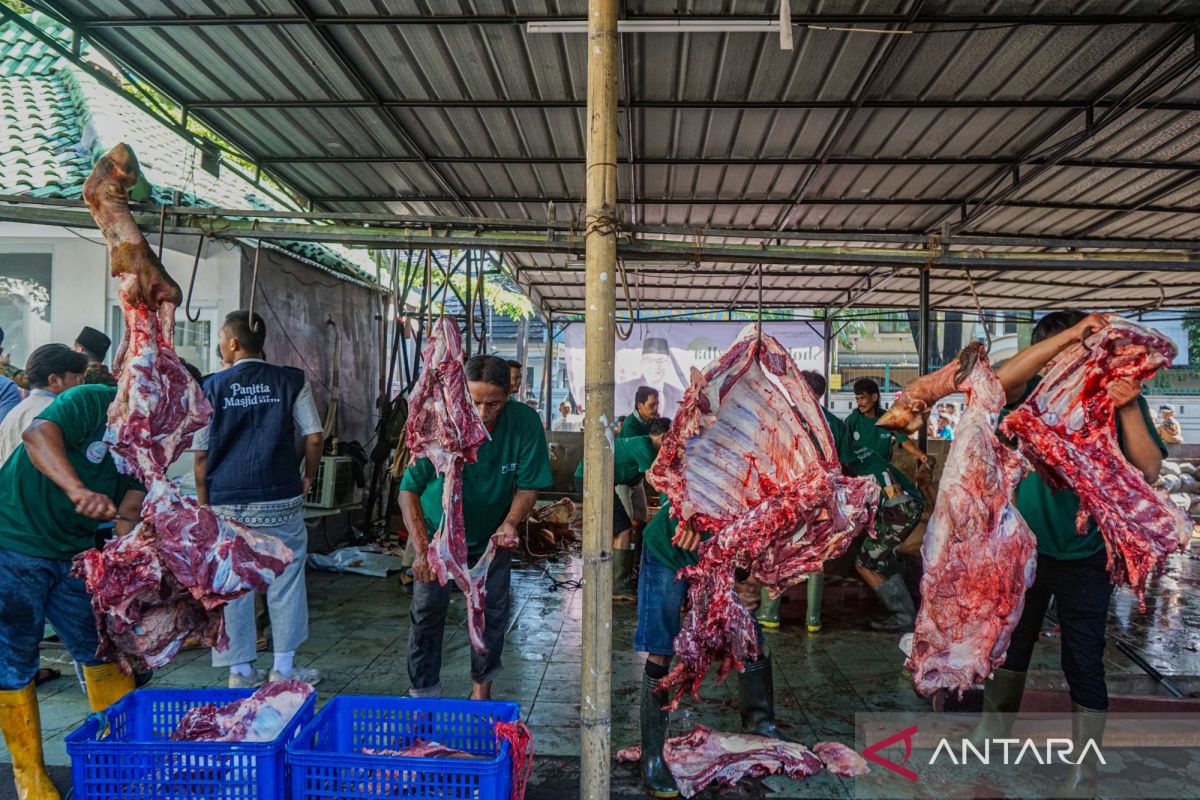
The celebration of Eid al-Adha is often perceived merely as an annual Islamic ritual marked by animal sacrifice. However, a deeper reflection reveals that this religious tradition encompasses significant social, biological, and public health dimensions.
In Indonesia, where malnutrition and human capital quality remain pressing issues, the act of sacrifice represents a strategic opportunity to bolster food security and foster collective awareness of nutrition’s importance for the nation’s future.
The essence of sacrifice extends beyond spiritual symbolism. Its core values include selflessness, social concern, and equitable welfare distribution. Across many parts of Indonesia, Eid al-Adha provides one of the rare occasions for low-income communities to access sufficient animal protein through distributed sacrificial meat. This phenomenon underscores sacrifice’s tangible social function, particularly in expanding nutritious food access for vulnerable groups.
From a biological and nutritional perspective, sacrificial meat is a vital nutrient source with high biological quality. Beef, goat, and lamb provide complete proteins rich in essential amino acids, crucial for growth and cellular repair. Animal protein also plays a key role in muscle development, enzyme and hormone production, and immune system maintenance.
Beyond protein, red meat contains iron, zinc, selenium, and vitamin B12, essential for brain development and bodily metabolism. Haem iron in meat is more readily absorbed than plant-based iron. Hence, animal protein consumption is critical in preventing anaemia and developmental disorders in children.
These issues are particularly relevant as Indonesia continues to grapple with severe nutritional challenges. Cases of stunting, anaemia among adolescent girls, and protein deficiencies persist across regions. The impacts extend beyond physical health, affecting learning abilities, cognitive development, and future workforce productivity. Long-term, nutritional deficiencies can undermine the nation’s competitiveness.
At this point, sacrifice takes on broader significance beyond symbolic worship. The distribution of sacrificial meat serves as a food-based social intervention, enabling communities to access quality protein. When distributed equitably to low-income families, it fulfils a humanitarian role while supporting public health initiatives.
However, the success of sacrifice is not merely measured by the number of animals slaughtered, but by the precision of distribution. Islamic teachings designate sacrificial meat primarily for the poor and those in need. Therefore, targeted distribution is integral to the essence of the ritual. Fair and equitable allocation not only strengthens social solidarity but also ensures vulnerable groups access nutritious food they might otherwise lack regularly.
Amid ongoing poverty and food inequality, the spirit of sharing during sacrifice embodies tangible social concern. Eid al-Adha underscores that worship transcends spirituality, delivering concrete benefits to communities—particularly in addressing the nutritional needs of the most vulnerable.
In practice, the sacrifice ritual requires halal certification, hygiene, and animal welfare guarantees. The role of halal slaughterers (juleha) is therefore crucial. Juleha not only perform slaughtering in accordance with Islamic law but also ensure the process is hygienic, safe, and minimises food contamination risks. Competent and Sharia-compliant slaughterers are vital for maintaining the quality of sacrificial meat to ensure it is safe for public consumption.