
Safeguarding Food and Water Security
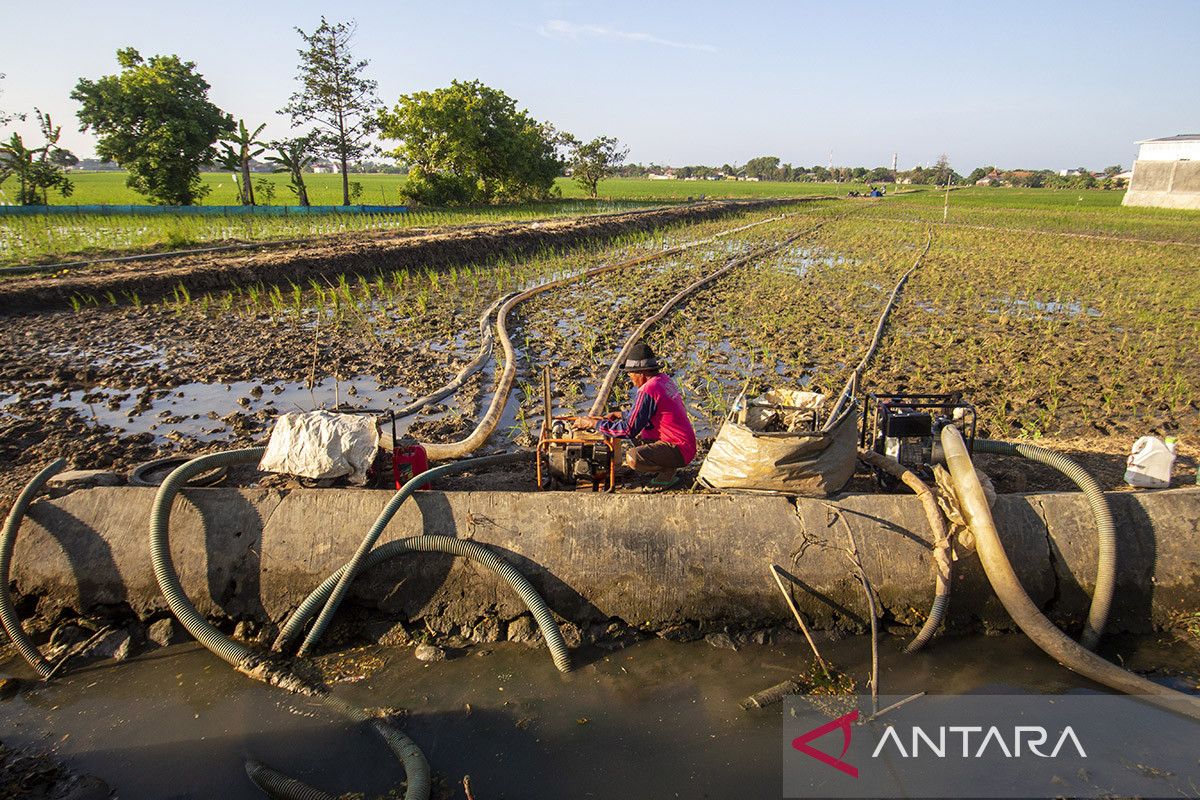
The government, through the Ministry of Agriculture, is prioritising the safeguarding of water resources as a key strategy to maintain national food production.
This comes as the Meteorology, Climatology, and Geophysics Agency (BMKG) predicts that the El Niño phenomenon will persist at least until the first quarter of 2027 and could potentially reach a strong category. The phenomenon is projected to trigger drier-than-normal dry season conditions and may be reinforced by a positive Indian Ocean Dipole (IOD) from September to December 2026.
As of mid-July 2026, 509 seasonal zones, or approximately 54.5 percent of Indonesia’s land area, have entered the dry season. The BMKG also estimates that the peak of the dry season will occur in August and September, with 437 seasonal zones predicted to experience a longer dry season duration compared to normal conditions.
This data serves as a reminder that food security is not solely determined by the ability to increase production, but also by the capacity to preserve the resources that underpin the production process itself. Food development success has traditionally relied on a combination of factors, including land, seeds, fertilisers, technology, and irrigation infrastructure. However, climate change is shifting the focus from merely producing food to maintaining production amidst increasing risks of drought and extreme weather.
In this context, water management becomes increasingly strategic as it determines the effectiveness of all production factors and the sustainability of cultivation from season to season. The response to El Niño, therefore, cannot be understood merely as an effort to face a single longer dry season. The greater challenge lies in building a food system that remains resilient as climate anomalies become more frequent.