
Safe daily limits for sugar and salt according to health guidance
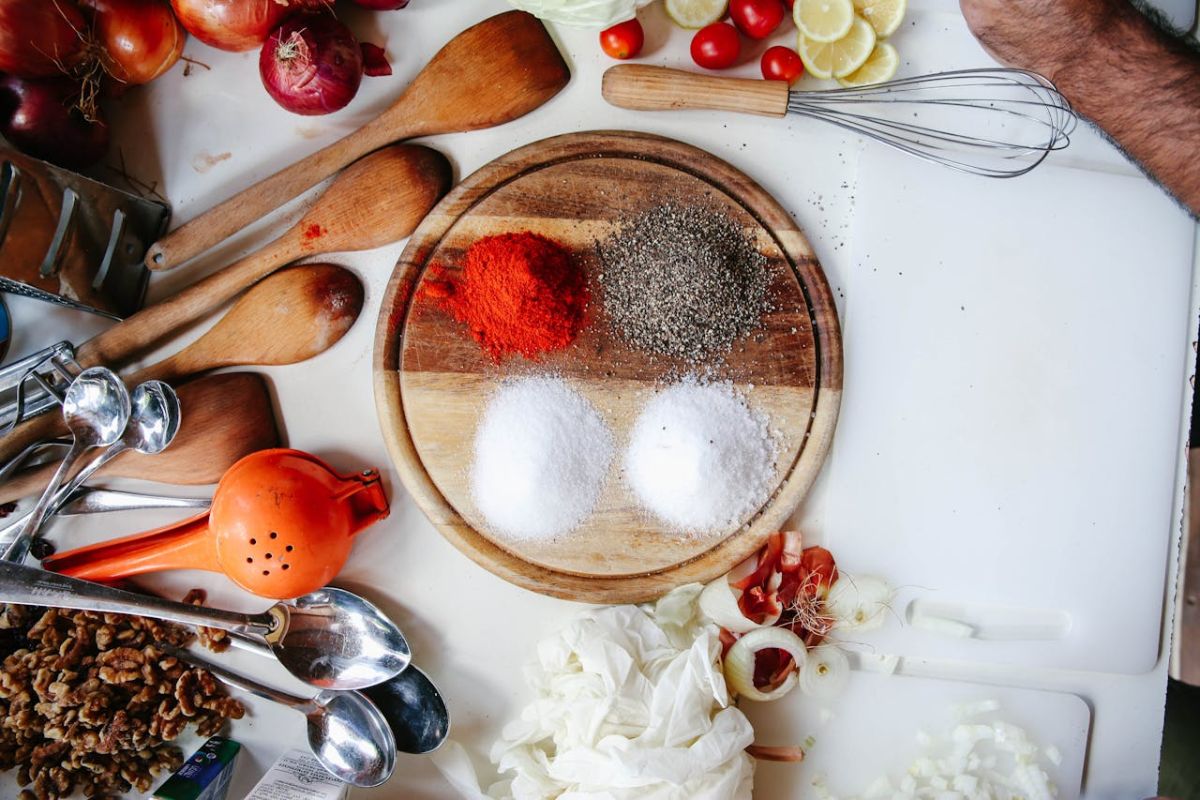
Sugar and salt are present in almost all everyday foods. From sweetened drinks and snacks to side dishes and ready meals, the two are difficult to separate from people’s diets.
Even so, this does not mean sugar and salt can be consumed without limit. Excessive intake over the long term can raise the risk of various health problems.
The Ministry of Health of the Republic of Indonesia has issued its own recommendation for the consumption of sugar, salt and fat, known by the term G4 G1 L5. For sugar, the recommended limit is a maximum of 50 grams, or about four tablespoons, per person per day. Salt, meanwhile, is limited to around 5 grams, or one teaspoon, per day.
So how much sugar and salt should actually be consumed in a day?
Sugar consumption limit
The Ministry of Health recommends consuming no more than 50 grams of sugar per day, equivalent to around four tablespoons.
This figure does not only cover granulated sugar added to tea or coffee. Sugar contained in packaged foods and drinks, cakes, desserts, sweetened beverages and other products also needs to be taken into account.
The WHO also recommends that intake of free sugars be limited to less than 10 per cent of total daily energy. For a diet of around 2,000 calories per day, this amounts to roughly 50 grams of sugar.
The WHO even states that reducing intake to below 5 per cent, or about 25 grams per day, can bring additional health benefits.
It should be noted that the term free sugars does not refer to all sugars found in food. The WHO includes sugars added to foods or drinks, including sugars naturally present in honey, syrups, fruit juices and fruit juice concentrates. Natural sugars in whole fruit are not covered by this restriction.
Salt consumption limit
For salt, the Ministry of Health recommends a maximum intake of around 5 grams per day, equivalent to one teaspoon.
However, what needs attention is the sodium content. Salt is one source of sodium, but sodium can also come from various food ingredients and seasonings, including processed foods as well as sauces and soy sauce.
This means measuring salt consumption is not enough by looking only at how much salt is added during cooking. Packaged foods and ready meals can also contribute considerable amounts of sodium.
Why do sugar and salt need to be limited?
Sugar is indeed a source of energy for the body. However, excessive consumption of free sugars can increase energy intake and is associated with the risk of weight gain and tooth decay.
Meanwhile, too much sodium can raise blood pressure. Over the long term, high blood pressure can increase the risk of heart disease and stroke.
For this reason, limiting intake does not mean eliminating sugar and salt entirely. What matters more is paying attention to the total amount consumed in a day.
One simple step is to make a habit of reading the nutrition information labels on packaged foods and drinks. Pay particular attention to the amount of sugar and sodium per serving, then adjust for the number of servings consumed.
In addition, reduce the habit of adding excessive sugar to drinks and food. For salt, the use of high-sodium seasonings such as sauces, soy sauce, instant stock and processed foods also needs to be taken into account.
This does not mean one has to change eating habits drastically. Reducing overly sweet and overly salty tastes little by little can be a simple step towards accustoming the palate to lighter flavours.
Ultimately, the limits of around 50 grams of sugar and 5 grams of salt per day can serve as a practical benchmark. However, individual needs may differ depending on age, health condition, energy requirements and overall dietary patterns.
Source: jawawa.id (https://jawawa.id/newsitem/safe-daily-limits-for-sugar-and-salt-according-to-health-guidance-1789455458)
Originally published by Antara (Indonesian) (https://www.antaranews.com/berita/5741544/segini-batasan-gula-dan-garam-yang-aman-untuk-tubuh-dalam-sehari), translated from Indonesian