
Sade Village Tragedy: Saving Living Space and Cultural Mitigation
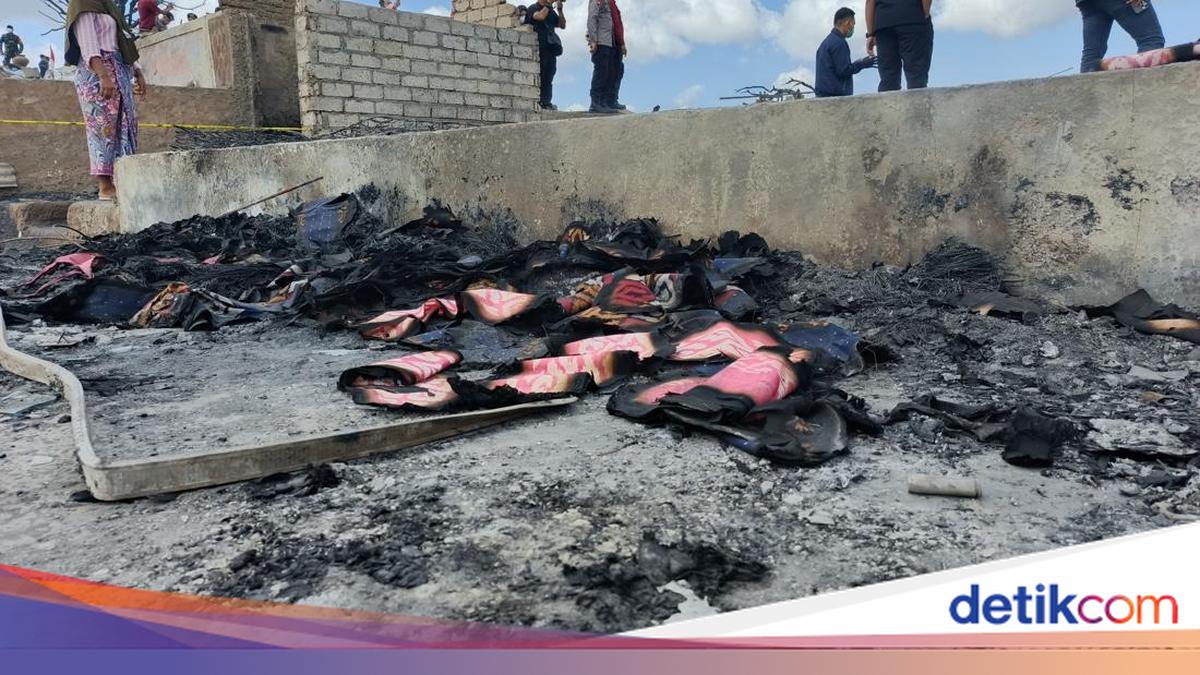
On Saturday night, 22 August 2026, the legendary tourist area of Sade Traditional Village in Central Lombok was razed to the ground by fire. The blaze, which raged from 8.00 pm to 10.00 pm Central Indonesia Time (WITA), destroyed between 89 and 120 traditional houses of the Sasak people. Not a single traditional building in the core settlement area remained.
This disaster collapsed the living space of a culture and instantly severed the livelihoods of 120 families, or around 320 people. The tragedy has opened the public’s eyes to a major paradox in our tourism management: the exotic landscape of traditional organic architecture apparently harbours a very high vulnerability to disaster due to the lack of modern protection systems.
Building materials such as thatched roofs of straw or alang-alang grass, woven bamboo walls (bedek), and timber frames are vernacular masterpieces that serve as the main attraction for global tourists. However, the organic structure combined with dense spatial layout makes the area akin to dry tinder.
Once a spark, suspected to have originated from an electrical short circuit, ignited, strong gusts of wind immediately spread the fire uncontrollably. Firefighting efforts even required mobilising a combined fleet from Central Lombok, West Lombok, East Lombok, and Mataram City together with security forces. This fact confirms that cultural authenticity must not be left exposed without disaster mitigation preparedness.
The greatest loss from this tragedy is not merely the disappearance of the physical structures of historic buildings. Local residents who work as songket weavers, local artisans, and tour guides had to watch their belongings, traditional clothing, and weaving tools turn to ash.
Local people lost the main instruments driving their economy instantly. Therefore, post-disaster recovery must be human-centred. Reconstruction of the settlement will feel hollow if it is not accompanied by the restoration of the economic dignity of the indigenous community and the healing of residents’ psychological trauma.
The emergency response measures from the regional government, the direct intervention of the Ministry of Tourism, and the flow of public donations deserve the highest appreciation. Extraordinary solidarity was visible when a public figure donated one billion rupiah and various corporations set up emergency logistics posts. Nevertheless, food aid and refugee tents are only temporary relief for grief.
The real challenge lies in the phase of reconstructing the physical buildings and the community’s social systems. The rebuilding process risks giving rise to the ‘Disneyfication of culture’ if it merely pursues the target of completing the tourism project so that the village can quickly resume operations.
The rebuilding of Sade Village must absolutely adhere to the principle of building back better. Sasak traditional elders must take the lead in directing the reconstruction so that ancestral philosophical values remain intact and authentic. At the same time, policymakers must dare to wisely incorporate modern safety systems without damaging the traditional aesthetics.
The government and tourism managers need to implement hidden fire prevention technology. The innovation of applying fire retardant liquid coating to all thatched roofing and bamboo wall materials is an absolute necessity. The installation of electrical wiring networks must be massively reorganised using standard heat-resistant materials that are tightly sealed. In addition, the provision of high-pressure water hydrants at strategic points in the settlement and the installation of hidden automatic sprinklers need to be carefully studied.
Improving mitigation capacity also requires the establishment and training of an independent firefighting brigade composed of local village residents. The first minutes when a fire appears are the decisive phase for safety that can only be addressed by the alertness of local residents before firefighting fleets arrive at the disaster site.
The Sade Village fire tragedy is the loudest warning alarm for all cultural heritage-based tourism destinations in Indonesia. The authenticity of tradition must no longer be used as an excuse to ignore basic safety aspects.
From the pile of rubble and ash, the commitment of all stakeholders is being truly tested. This nation must be able to rebuild a traditional civilisation that is resilient to disasters without sacrificing in the slightest the noble identity of ancestral cultural heritage.