
Sade fire: NTB pushes for traditional villages to have disaster mitigation systems
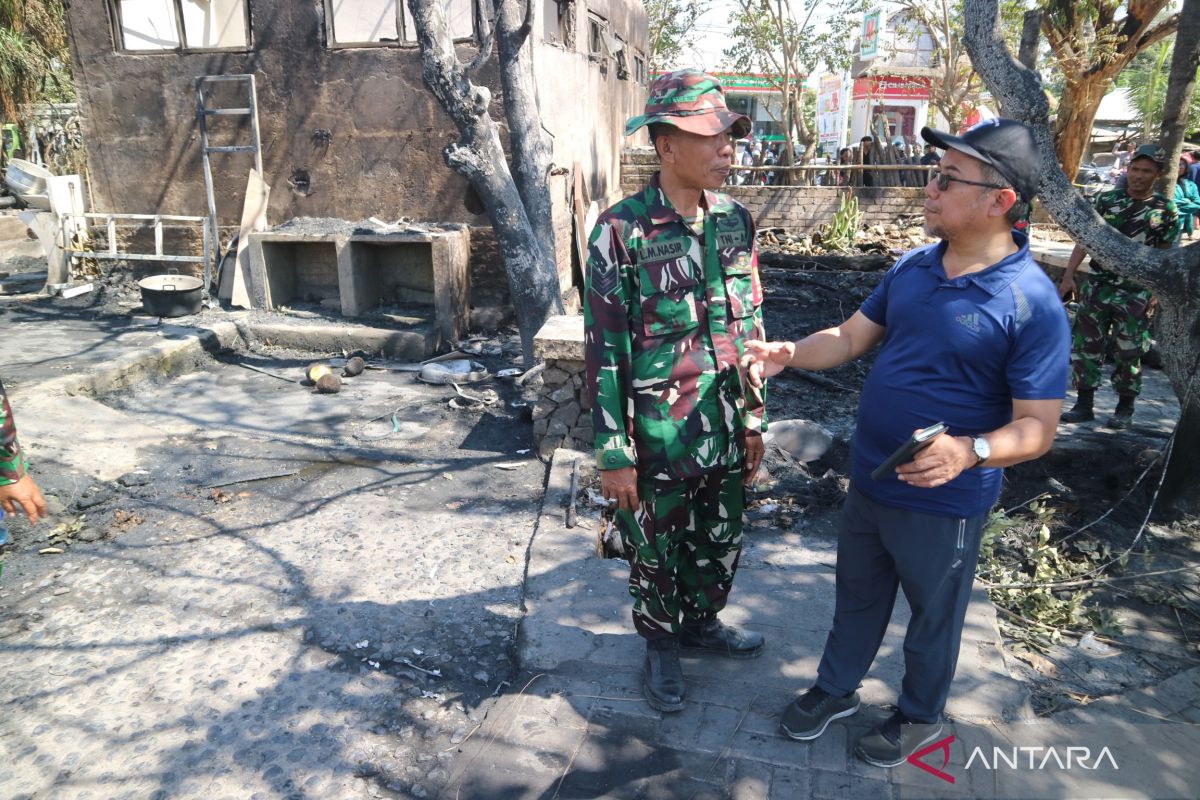
The West Nusa Tenggara (NTB) Provincial Government, through its Culture Office, is encouraging every traditional village to have a disaster protection system as an effort to safeguard cultural heritage from the threat of fire or other natural disasters.
Head of the NTB Culture Office Muhamad Ihwan said a disaster protection system is crucial given that most buildings in traditional village areas use flammable materials such as wood, bamboo and thatch.
“Traditional villages should have a disaster protection system that covers not only fire but also earthquakes and heavy rain,” he said after inspecting the post-fire conditions at Sade Traditional Village in Central Lombok on Sunday.
Ihwan believes heritage areas are not sufficiently protected merely by maintaining traditional buildings and surroundings; they must also be equipped with adequate disaster mitigation systems.
Such mitigation systems include water pipelines or fire hydrants for fire response, as well as alarms for early warning.
He said disaster mitigation systems are an important part of preserving traditional villages as areas of local cultural conservation.
“Traditional villages are vulnerable to fire, so they must have water pipelines. Sade Traditional Village currently has no water pipelines,” Ihwan said.
He added that Sade Traditional Village holds significant value for West Nusa Tenggara’s culture because it not only maintains traditional houses but also various cultural practices and knowledge of the Sasak people, including weaving traditions and local wisdom.
The NTB Culture Office is committed to maintaining the Sade area during the upcoming reconstruction process as a traditional village that showcases the traditional life of the Sasak people.
“If possible, they can live elsewhere, but this village is maintained as a traditional hamlet with its traditional way of life preserved,” Ihwan concluded.
According to earlier reports, Sade Traditional Village caught fire at around 10.00 pm WITA on Saturday night, 22 August 2026.
Several eyewitnesses said the fire first appeared from one of the houses in the middle of the traditional settlement. The flames then spread to a number of other houses, most of which were built from flammable materials such as wood, bamboo and thatch.
According to data from the NTB Regional Disaster Management Agency (BPBD), 89 houses suffered severe damage in the fire.
The fire was extinguished on Sunday at around 5.00 am WITA after a joint team fought the blaze throughout the night. There were no fatalities in the incident.