
Sacrifice at the Crossroads of Civilisation
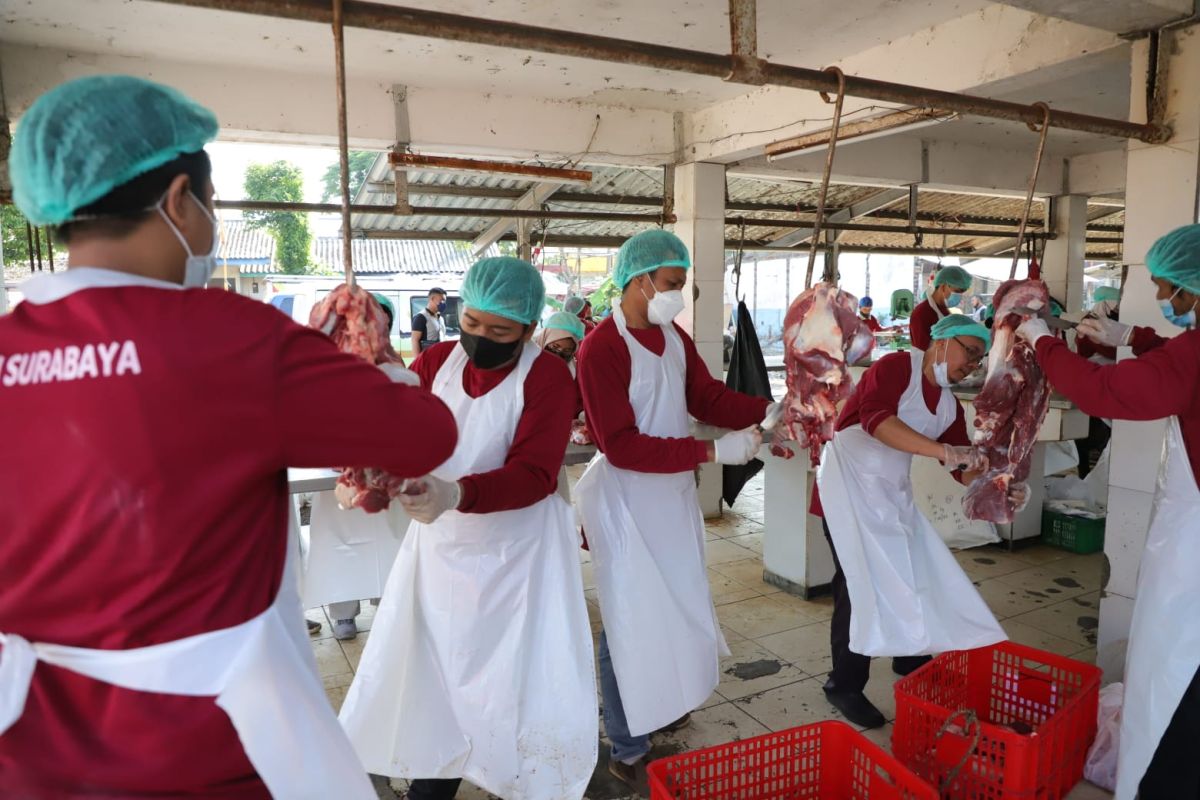
As Eid al-Adha approaches, Surabaya in East Java takes on a distinct rhythm. In alleyways and mosque courtyards, cleaning commences. Tents are set up. Knives are sharpened. Children dart around makeshift corrals, awaiting cattle arriving from various regions.
The spirit of gotong royong endures year after year. Yet, behind this religious atmosphere, Surabaya faces increasingly complex questions about conducting sacrifices amid threats of animal disease, dense residential areas, waste management issues, and food safety demands.
Eid al-Adha is no longer just about personal worship and meat distribution. It has become a matter of public health, urban planning, the environment, and service professionalism.
Surabaya appears to be taking this change more seriously this year. The city government has tightened oversight of sacrificial animals through an edict mandating Foot-and-Mouth Disease (FMD) vaccination, completion of Veterinary Health Certificates, and monitoring of slaughter sites.
Meanwhile, Surabaya’s slaughterhouse has strengthened biosecurity systems, veterinary checks, and more hygienic, controlled slaughtering processes.
Those steps appear administrative on the surface. In reality, they reflect a shift in how the city views sacrifice: from a yearly tradition to urban risk mitigation.
A silent threat
Indonesia’s recent experience with FMD outbreaks has provided crucial lessons. Thousands of livestock were infected, distribution was disrupted, prices surged, and public trust declined. Animal diseases can shake the national economy and food security.
Thus, increased livestock movement before Eid al-Adha is always a high-risk period. Surabaya is particularly sensitive as a destination for cattle from across East Java and other provinces. In such circumstances, a single diseased animal slipping through checks could have major repercussions.
Here, the relevance of biosecurity measures is critical. Antemortem and postmortem inspections by veterinarians are not mere technical formalities. They form the first line of defence to ensure meat reaching the public is truly safe.
Public awareness of food safety continues to rise. Communities are now questioning livestock origins, animal health conditions, and the cleanliness of slaughter processes.