
Sacred Pandan War Tradition in Karangasem Draws Throngs of Tourists
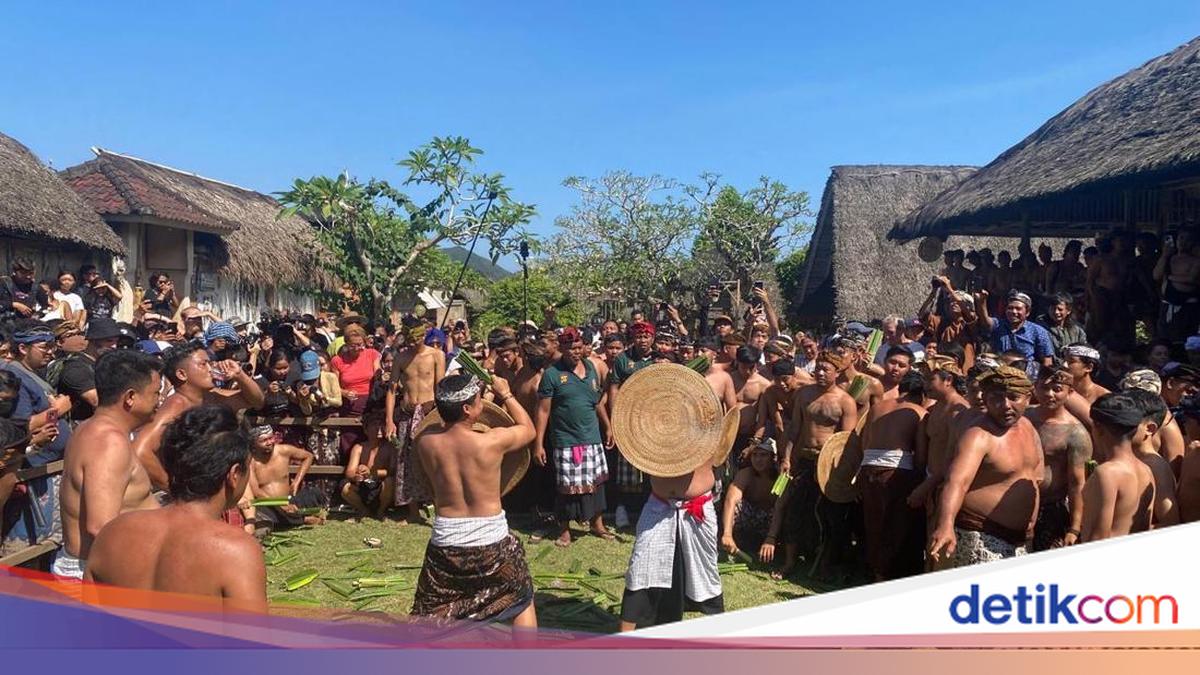
Hundreds of local residents, domestic tourists, and international visitors crowded into Tenganan Pegringsingan village, Manggis District, Karangasem, to witness the mekare-kare tradition, also known as the pandan war. They were willing to jostle for space to see the sacred tradition, which is held only once a year. Based on observations at the location, people began arriving from midday. A number of photographers from various regions and tourists appeared to be hunting for the best front-row positions to capture the best images when the pandan war commenced. Before the tradition began, young men and women native to Tenganan Pegringsingan were seen preparing various implements, from the pandan leaves used for the duel to other equipment. As the pandan war started, residents and visitors immediately swarmed the arena area. Some spectators even brought stools or were lifted onto friends’ shoulders to get a clearer view of the proceedings. One spectator, Made Dwipayana from Badung Regency, admitted he was impressed to witness the pandan war tradition in Tenganan Pegringsingan firsthand. According to him, the participants genuinely fought using thorny pandan leaves, resulting in injuries. ‘I often come here with guests, but this is the first time I have seen the pandan war tradition in person. This was because my child wanted to see it directly,’ said Dwipayana on Wednesday. Kelian Desa Adat of Tenganan Pegringsingan, I Putu Yudiana, explained that the pandan war is held as a form of homage to the God Indra, who is believed to be the God of War. The tradition is routinely held every year as part of the Usaba Sambah cycle in Tenganan Pegringsingan village. According to the beliefs of the indigenous community, who follow Hindu Dharma within the sekaa Indra sect, the battle in this tradition does not signify fighting enemies, but rather symbolises respect and the responsibility of young men towards their families and village. Yudiana explained that the pandan war procession begins with young men and women ascending the mountain peak in Tenganan Pegringsingan village in the morning. They offer young coconuts at the summit. Afterwards, the young men are tasked with finding the pandan leaves later used in the duel, while the young women prepare a medicinal balm or boreh to treat the participants’ wounds. According to local belief, the boreh can accelerate the healing of wounds caused by pandan thorns, with injuries expected to begin drying within a day and healing completely after a week. ‘The pandan war tradition is participated in by young men, from children to adults. However, it is also open to people from outside the village, including tourists who wish to take part,’ Yudiana stated. After taking part in the pandan war, all participants embrace each other without holding grudges. They then take part in the megibung tradition, or communal eating, as a symbol of togetherness. Yudiana added that this year marks the fifth time the pandan war tradition has been synchronised with the Tenganan Pegringsingan Culture Festival. Visitors could not only witness the pandan war tradition but also enjoy the cuisine and entertainment provided by the organising committee. ‘This is the fifth year that the pandan war tradition has been synchronised with the festival. Hopefully, this can introduce Tenganan Pegringsingan Village more widely,’ Yudiana hoped.