
S. Korea Asks Indonesia for Tax Incentives on Nickel EVs
S. Korea Asks Indonesia for Tax Incentives on Nickel EVs
Jakarta. South Korea is asking Indonesia to introduce tax incentives for the nickel-based battery and e-mobility industries as automotive powerhouse Hyundai wants to maintain competitiveness.
Hyundai is a prime example of a South Korean investor in Indonesia, running its first Southeast Asian manufacturing plant here. It has a battery cell factory in Karawang, a booster for Jakarta in the global electric vehicle (EV) race.
As investments take off, South Korean Ambassador to Indonesia Yoon Soongu suggested that Jakarta should consider incentivizing the industry.
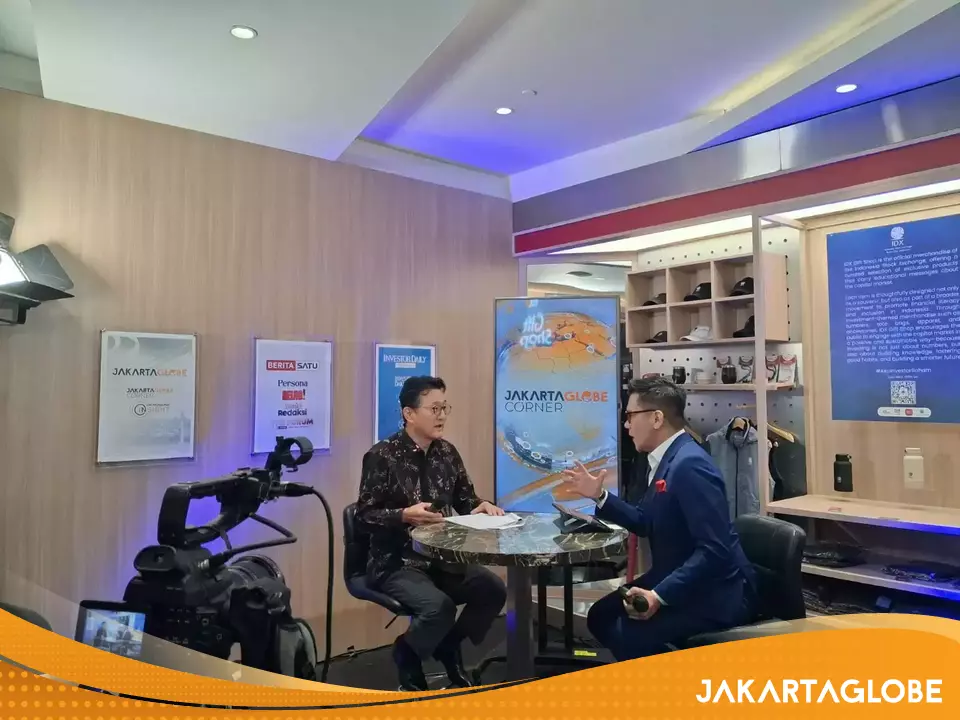
“You [Indonesia] are the number one nickel producer. You need to provide tax incentives for nickel-based EVs. … Also, remove non-tariff barriers,” Yoon Soongu told the Jakarta Globe at the Indonesia Stock Exchange.
The envoy did not go into details on the tax incentives that investors are looking for, including the specific non-tariff impediments that had been bugging South Korean businesses. On why the need for incentives, the diplomat revealed that Hyundai had been suffering from declining competitiveness.
“Hyundai is producing nickel-based EVs, … and some cheaper batteries — based on other minerals — are really dominating the whole market,” he explained.
“Nickel is much more eco-friendly from a recycling perspective. We need to support nickel-based Hyundai batteries and EVs. We are expecting further incentives from the Indonesian government.”
Yoon Soongu sees the two countries having a “complementary economic structure”, especially when it comes to nickel.
“Indonesia is a formidable producer of strategic minerals of which we [South Korea] are quite a big demander,” Yoon Soongu told the Globe.
Both countries have just renewed their memorandum of understanding on critical mineral cooperation. The April meeting saw South Korean Lee Jae Myung and his Indonesian counterpart Prabowo Subianto committing to “further cooperation in fostering the EV ecosystem”, according to their 29-point joint statement.
Hyundai’s Cikarang plant is already producing the EV type IONIQ 5; some of these cars have penetrated export markets. The facility’s production capacity stands at 150,000 units per annum, regardless of the model, although plans are underway to lift it to 250,000 units.
Its up-and-running Karawang factory is part of a joint venture with the Seoul-based LG Energy Solution. This plant entered commercial operations in 2024 with an annual production capacity of up to 10 gigawatt-hour (GWh) of battery cells.
South Korean investors have put almost $2 billion in Indonesia last year, Investment Ministry data reported. This put South Korea in 7th place in foreign direct investment inflow source rankings.
“Indonesia needs investments from reliable foreign partners like Korea,” Yoon Soongu said.
At home, the Indonesian government has signaled plans for government-borne value-added tax for electric cars, depending on the nickel content. However, its rollout has been subject to delays.
A US Geological Survey report showed that Indonesia’s nickel mines’ produced 2.6 million metric tons of the silvery-white metal in 2025, up from 2.3 million metric tons the previous year. Jakarta is in a strong lead as the second-biggest producer, the Philippines, whose output reached 270,000 metric tons in 2025.
Indonesia’s nickel reserves stand at 62 million metric tons, followed by Australia at 25 million metric tons.
Tags: Keywords: