
Russian Spy Satellites Allegedly Aiding Iran in Targeting US Military Assets
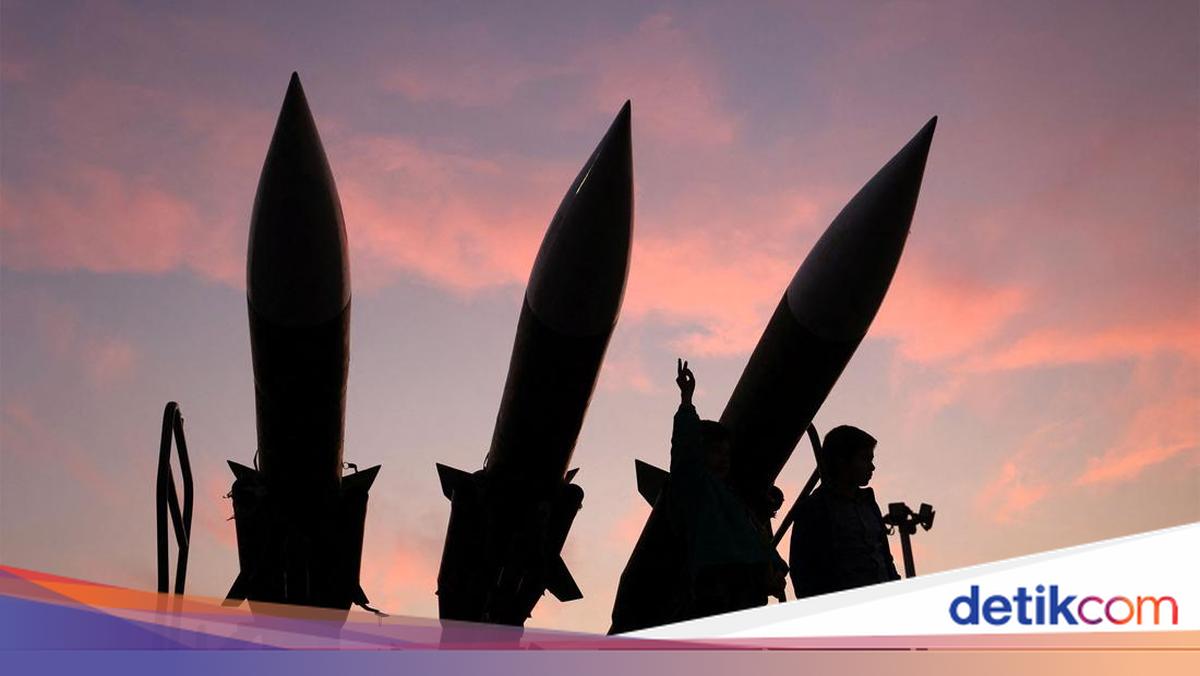
Russian spy satellites are alleged to have provided intelligence to Iran, assisting in increasing the accuracy of attacks against United States (US) military assets located in the Middle East region.
This information has emerged as tensions between Tehran and Washington have flared up recently, with both nations engaging in retaliatory strikes. A report by the prominent US media outlet CNN, citing several US officials and other sources as reported by the Middle East Monitor on Thursday (17/09/202lar), reveals that intelligence collected by Russia’s satellite network may have been shared with Iran.
Moscow’s intelligence is suspected of providing Tehran’s military forces with information regarding the location and movement of US military assets stationed in allied nations across the Middle East. The CNN report highlighted an Iranian attack on 27 March against the Prince Sultan Air Base in Saudi Arabia, which resulted in injuries to at least 12 US military personnel and the destruction of an Airborne Warning and Control System (AWACS) aircraft.
The CNN report noted that a Russian spy satellite, specifically Cosmos 2573, passed over the Saudi air base approximately two days before the Iranian attack, alongside 13 other Russian satellites. CNN’s analysis of orbital data indicates that these satellites may have collected complementary intelligence.
According to the report, optical satellites can provide detailed imagery, while signal intelligence satellites are capable of detecting radar and radio emissions. Furthermore, infrared satellites can identify heat signatures, and Synthetic Aperture Radar (SAR) satellites can monitor changes through clouds and darkness.
Nawaf Obaid from the Department of War Studies at King’s College London stated that Russia’s assistance should be viewed within the context of US and Ukraine intelligence cooperation. He described Moscow’s actions as a retaliatory move that could have significant implications for the regional security architecture.
“This is Russian retaliation with ‘bells and whistles’. The impact is immense, not only on the US position in the region but also on the future security architecture of that region,” he said.