
Russian Segment of ISS Leaks Again as US Baffled
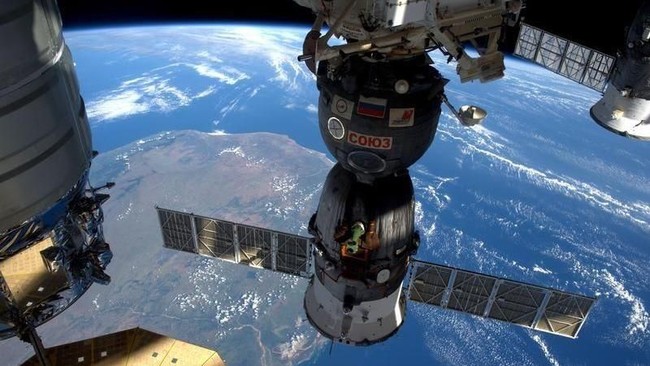
The International Space Station (ISS) has experienced another air leak. After being thought resolved last year, the leak in the Russian segment was detected again in early May 2026. NASA and Roscosmos have spent years trying to locate the source in the Zvezda service module, but the issue remains unresolved. Roscosmos reports a gradual pressure drop in the transfer tunnel connected to Zvezda, with recent analysis showing the ISS is losing air through microscopic cracks at a rate of about one pound per day.
The ISS leak is not new; Roscosmos first reported it in September 2019, with the source traced to the PrK vestibule, a connecting area between the docking port and the Russian Zvezda module. The situation worsened over time, with the leak rate increasing from one pound to over two pounds of air per day by 2024, prompting NASA to classify it as the highest risk level.
A glimmer of hope emerged in mid-2025 when NASA reported pressure signals suggesting the leak had been sealed. However, this proved temporary; on 1 May, as Russian cosmonauts moved cargo from the Progress 95 spacecraft, pressure in the Zvezda module dropped again, indicating the leak never truly stopped.
NASA confirms the current situation does not endanger the seven crew members on board. The affected area is maintained at lower pressure, with additional adjustments made as necessary, according to Gizmodo (26 May 2026).
The recurring leaks come as the ISS nears the end of its operational life. The nearly 30-year-old station is scheduled for retirement in 2030. In the US, the issue has drawn congressional attention, with some lawmakers urging NASA to delay decommissioning until commercial alternatives are available to maintain human presence in orbit. However, safety advisory panels warn that risks to the ISS are rising as its ageing components deteriorate.
After years of effort, NASA and Roscosmos have yet to permanently seal the leak, while the ISS continues to age and degrade.