
Russian Sanctions Tighten, European Energy Squeezed, Macron: Worrying for Many Families
Europe is entering an increasingly difficult energy paradox. On one hand, the European Union (EU) continues to maintain and expand economic pressure on Russia due to the war in Ukraine. On the other hand, new shocks from the Middle East have tightened the supply of diesel, aviation fuel, and gas, causing prices paid by Europeans to soar.
On 22 September 202seb, the Council of the European Union extended sanctions against more than 3,000 individuals and entities deemed to be undermining the territorial integrity, sovereignty, and independence of Ukraine until September 2029. A day later, a new report from Transport & Environment estimated that the surge in road fuel prices since the outbreak of the Iran war has added a burden of approximately 53 billion euros to the EU, averaging 270 million euros per day.
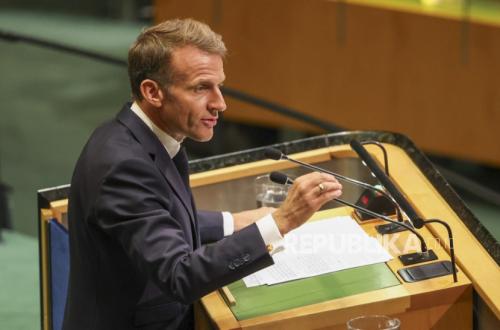
Amidst this pressure, French President Emmanuel Macron has requested that the European Commission provide temporary leniency regarding certain energy regulations. Macron wants refineries to be able to increase diesel and kerosene production as global supplies become increasingly tight. Reuters reported that this request was made in a letter to European Commission President Ursula von der Leyen dated 18 September.
Macron acknowledged that the impact is already being felt directly in households. “The situation is very difficult. It is worrying many families and requires us to move fully,” Macron stated during a press conference at the Élysée Palace.
Russian Sanctions Remain Expanded
The energy crisis is unfolding while the EU has yet to reduce pressure on Moscow. Last July, the 27-member bloc approved its 21st sanctions package against Russia. The package targets energy revenues, financial systems, the military industry, crypto-asset trading, and networks used to circumvent sanctions.
A total of 41 additional ships linked to what the EU calls Russia’s ‘shadow fleet’ have been subject to access and service restrictions. Brussels has also expanded the ban on transactions against dozens of Russian financial institutions and banks from third countries accused of aiding sanctions evasion.
Previously, in June, the EU Council also extended sectoral economic sanctions against Russia for one year until 31 July 2027. These measures include trade, finance, energy, and dual-use technology, including restrictions on Russian crude oil shipped by sea and various petroleum products.
However, recent developments on 22 September show that sanctions policy is not moving entirely in one direction. Reuters reported that the EU agreed to maintain sanctions on approximately 3,000 individuals and entities for three years, but simultaneously removed two Russian billionaires, Alisher Usmanov and Mikhail Fridman, from the list as part of an internal compromise.
Thus, the term “tightening sanctions” is more accurately used to describe the overall direction of EU policy throughout 2026, particularly the 21st package and energy sector restrictions, rather than implying every recent decision adds new restrictions to every individual.
Russian Dependency Drops Sharply
This strategy has altered Europe’s energy map. According to official EU Council data, Russia’s share of EU gas imports fell from approximately 45 per cent in 2021 to 13 per cent in 2025. The share of Russian oil fell even more sharply, from around 27 per cent to below 3 per cent. Russian coal imports, which previously met about half of the EU’s needs, have even fallen to zero.
Brussels wants this process to continue. The REPowerEU framework is aimed at eliminating the remaining dependence on Russian energy and expanding alternative supply sources.
However, the success in reducing Russian supply has created other challenges. Europe has become increasingly sensitive to disruptions from other suppliers and energy routes. This is where the war in the Middle East is altering the calculations.
Hormuz Changes the Equation
Macron himself did not cite Russian sanctions as the direct cause of the current surge in French fuel prices. In his official explanation, he instead placed the Middle East war and the disruption of the Strait of Hormuz as the primary factors.
“The war in the Middle East has direct consequences for French citizens, particularly through rising energy prices,” according as to an official Élysée statement.
Macron stated that flows through Hormuz remain heavily disrupted. Alternative routes through Saudi Arabia are also facing pressure following attacks on energy infrastructure in the region. These conditions narrow Europe’s options to replace lost supplies.
The diesel market is also facing broader global pressure. Reuters reported that global diesel prices reached record highs as the wars in Iran and Ukraine disrupt supplies from several major producers. Middle Eastern diesel exports have plummeted, while refineries in various countries are operating near maximum capacity.
Russia itself, which was previously one of the world’s key diesel exporters, has limited exports after Ukrainian attacks on its refineries tightened domestic supply. This means the reduction in Russian product availability is currently not only a result of Western sanctions but also a direct impact of the war on Russian production facilities.
This makes the issue more complex than the simple conclusion that sanctions against Russia are “backfiring on Europe.”
Source: jawawa.id (https://jawawa.id/newsitem/russian-sanctions-tighten-european-energy-squeezed-macron-worrying-for-many-families-1790214852)
Originally published by Republika (https://news.republika.co.id/berita/tlugoz451/sanksi-rusia-diperketat-energi-eropa-terjepit-macron-mencemaskan-banyak-keluarga), translated from Indonesian