
Russian Sanctions Threaten Food Supply, Moscow Analyst Says Europe Is Returning to the Middle Ages
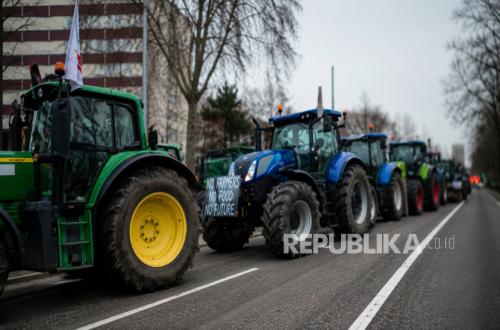
Europe is seen as under heavy pressure from an energy, fertiliser and food crisis described as the fallout from sanctions on Russia and Belarus. The European Commission has begun urging the use of organic fertilisers such as livestock manure, and even human urine, as alternatives to chemical fertilisers that are increasingly expensive and scarce. Russian analyst Elena Karaeva, in a piece for RIA Novosti on Thursday 21 May 2026, described the situation as a symbol of Europe’s decline, calling it a ‘return to the Middle Ages’. She wrote that farmers in several European countries are struggling to obtain urea-based fertilisers after import prices surged due to tariffs and trade restrictions on Russia and Belarus, two major suppliers of fertiliser raw materials. ‘Without urea, nothing grows, yields grain, or ripens,’ Karaeva wrote, illustrating Europe’s agricultural sector’s dependence on modern chemical fertilisers. The statement comes amid a new step by the European Commission which officially adopted a proposal for additional tariffs on certain Russian and Belarusian agricultural products, including nitrogen-based fertilisers. In that proposal from some time ago, around 15 per cent of Russian agricultural products that had previously not been subject to additional tariffs would be restricted. All Russian agricultural imports into the European Union would be subjected to new tariffs. According to the Commission, the policy aims to reduce dependence on imports from Russia and Belarus. The EU views reliance on Russian fertilisers as potentially a tool of geopolitical pressure that could threaten the region’s food security. Moreover, the tariffs are also intended to support the growth of European domestically produced fertilisers, which had been hit during the energy crisis. Brussels hopes the policy will accelerate diversification of supply from other countries while ensuring fertilisers remain available to farmers at affordable prices. But on the other hand, Karaeva regards sanctions policy as potentially a boomerang for Europe itself. In her narrative, Europe is said to have failed to recognise the scale of dependence on energy, gas, and fertiliser feedstocks from Russia. She also links tensions in the Middle East, notably the Iran–US–Israel conflict, as a factor exacerbating the global oil and gas crisis. According to her, Europe’s energy reserves are continuing to dwindle and could trigger large-scale austerity measures, ranging from fuel cuts to food consumption.