
Russia Ready to Help Restore Iranian Historical Sites Damaged by US-Israel Attacks
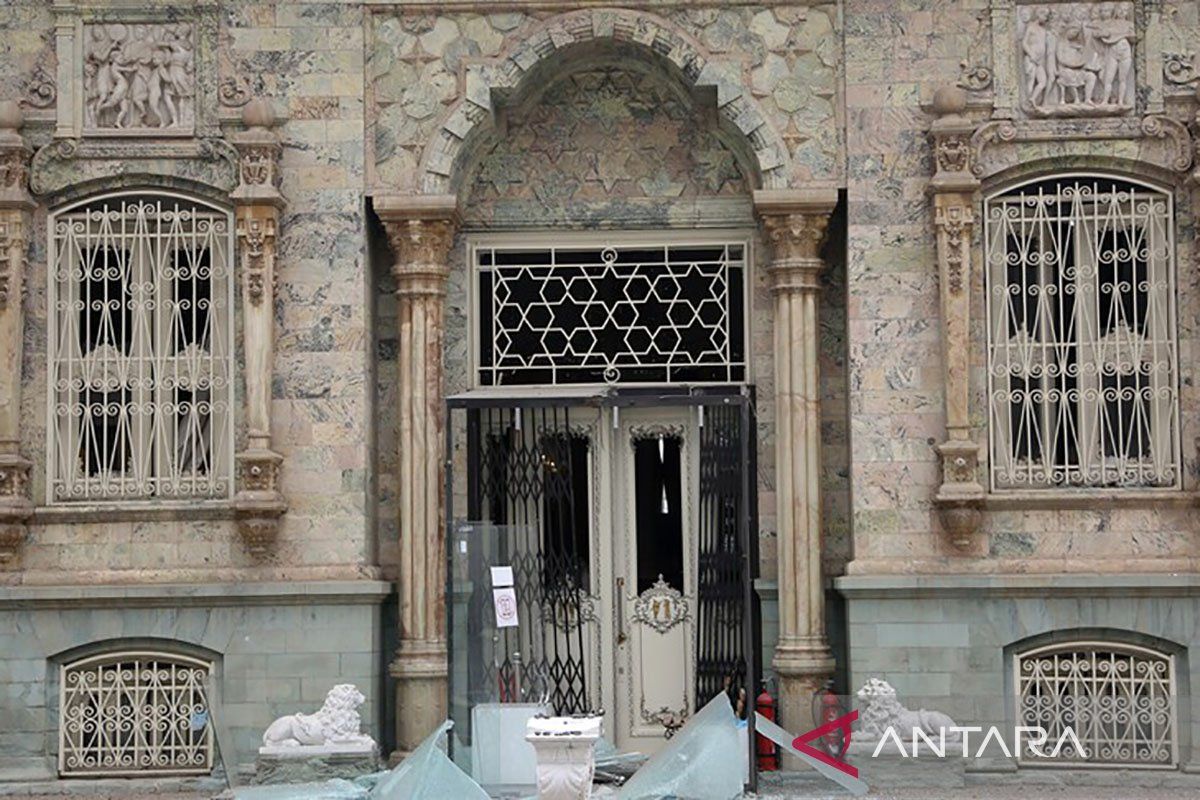
Moscow - Russia has declared its readiness to participate in the restoration of Iranian historical sites damaged by joint military attacks by the United States and Israel, according to an official at Iran’s Ministry of Cultural Heritage, Tourism and Handicrafts. “We see strong determination among Russian officials to properly introduce Iranian culture, art, history and cultural heritage through various programmes,” said Hojjatollah Ayoubi, head of the Centre for International Affairs and Diplomacy at the ministry, on the sidelines of the 6th International Tourism Forum in Russia on Sunday. He added that Russia is prepared to send its restoration experts to Iran in the near future to assist in the reconstruction of affected historical monuments. Furthermore, according to Ayoubi, a large number of Russian citizens travel to Iran’s neighbouring countries annually, even though those tourist destinations do not possess tourist attractions as rich as Iran’s. He also conveyed that during the visit, a Tehran-Moscow tourism cooperation action plan for the 2026–2028 period was signed. The document was signed by him together with Russia’s Deputy Minister of Economic Development. Previously, Farhad Azizi, Director General of World Heritage Sites at Iran’s Ministry of Cultural Heritage, Tourism and Handicrafts, stated that at least 56 museums, historical monuments, and cultural sites across various provinces suffered significant damage from the joint United States and Israeli attacks. In Tehran, several important historical sites were reported to have been directly targeted, including Golestan Palace, the Historical Fortress of Tehran (Arg of Tehran), Tehran Grand Bazaar, the Marble Palace, the Shahrbani Building, the former Senate building, Sepahsalar Mosque, and the Farahabad Palace-Museum. Azizi added that in Isfahan Province, the Naqsh-e Jahan Square Complex, which is registered as a World Heritage Site, along with Chehel Sotoun Palace, the Grand Abbasi Mosque, and several parts of the Old City of Isfahan were also targeted in the attacks.