
Russia–NATO War Readiness Escalates in Europe
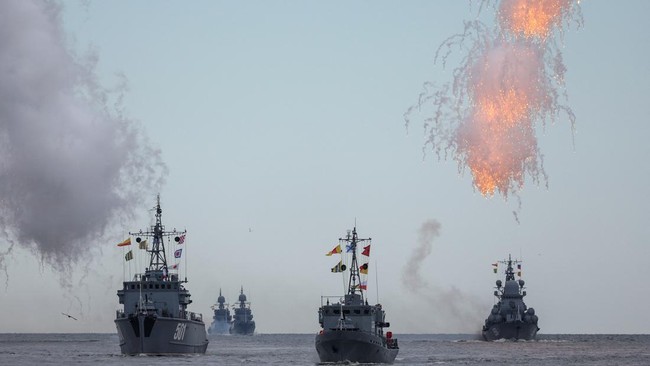
Russia–NATO War Readiness Brews in Europe
Jakarta, CNBC Indonesia - Tensions between Russia and NATO have flared again after Lithuania’s Foreign Minister Kestutis Budrys stated that NATO has the capability to ‘flatten’ Russia’s military infrastructure in Kaliningrad. The Kremlin quickly condemned the remark, calling it an almost ‘mad’ threat.
Kaliningrad, a Russian exclave located between Poland and Lithuania in the Baltic region, is one of Russia’s strategic military points in Europe, given its air defence and missile systems.
In an interview with Swiss media Neue Zürcher Zeitung, Budrys described NATO as the ‘strongest organisation ever created.’ He also urged a tougher approach toward Moscow.
‘We must show Russia that we can breach the small fortress they have built in Kaliningrad,’ Budrys was quoted as saying from RT, Thursday (21 May 2026). ‘NATO has the capability to flatten Russia’s air defence and missile bases there if necessary.’
Kremlin spokesperson Dmitry Peskov immediately condemned the remarks. He said Budrys’s statements were not worthy of serious analysis because they reflect a maniacal hostility toward Russia.
Peskov said Lithuania’s leaders today are filled with an excessive anti-Russian sentiment. According to him, that attitude makes Baltic political elites lose the ability to think strategically and rationally.
‘This anti-Russian sentiment makes them blind, prevents them from thinking about the future and acting in the interests of their nation,’ Peskov said, noting that a similar situation exists among the political elites in the three Baltic states.
Russian Foreign Minister Sergei Lavrov also responded to the threat. Lavrov mocked Western officials for using aggressive rhetoric merely to demonstrate their political existence.
‘Unlike the philosopher René Descartes who said ’I think, therefore I am,’ these people merely ‘exist’,’ Lavrov joked.
Lithuania’s statements come amid a debate in the European Union about the possibility of reopening diplomatic channels with Russia regarding the Ukraine war. Moscow says the decision now rests with Brussels, as the EU previously halted diplomatic contacts over the conflict.
However, several Baltic states continue to advocate a hardline stance toward Russia. Estonian Foreign Minister Margus Tsahkna even called on Western countries to increase pressure on Moscow, saying it is ‘not a time for talking or negotiating.’
Hardline attitudes toward Russia remain dominant among EU leadership, including the EU’s foreign policy chief’s office, Kaja Kallas. The former Estonian prime minister had previously faced controversy after a business scandal involving her husband, who was said to have ties with Russia.
(sef/luc) Add as a preferredsource on Google [Gambas:Video CNBC]