
Russia-China Debate with US over Iran Heats Up UN Security Council Meeting
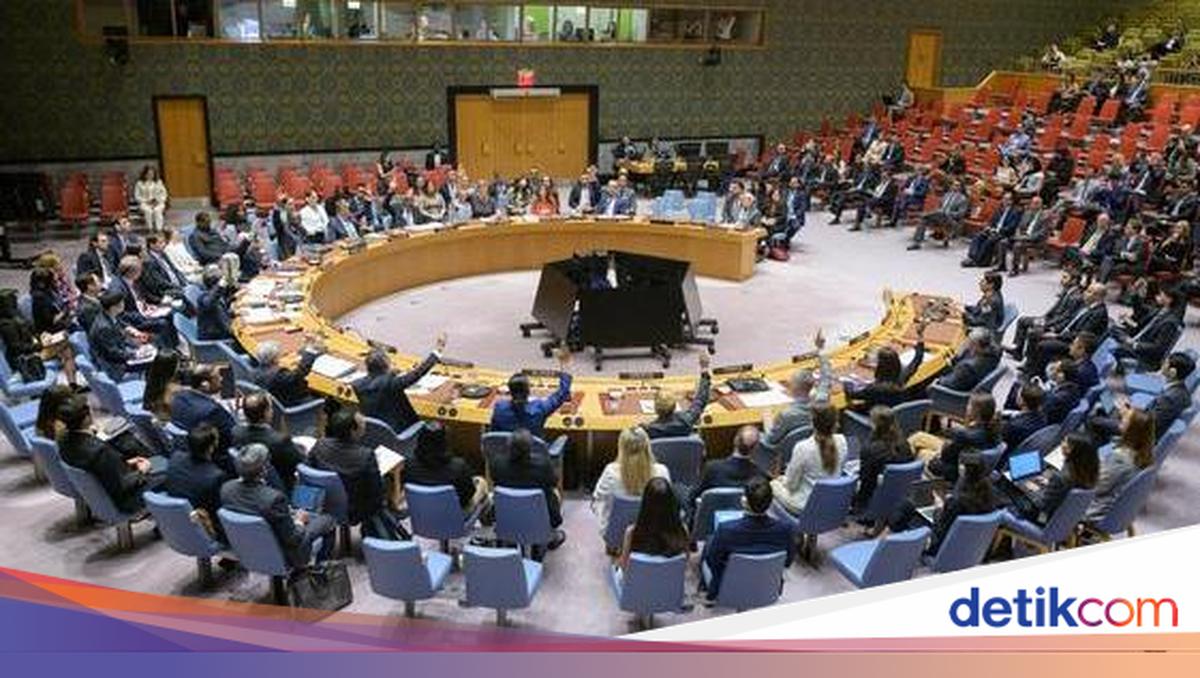
The UN Security Council meeting discussing the situation in Iran has intensified, with Russia and China engaging in a heated debate with the United Kingdom and the United States regarding sanctions against Iran.
Russia and China maintain that the provisions for reinstating UN sanctions against Iran have expired, whereas the United States, along with the UK and France, argue the opposite. According to Anadolu Agency, the dispute occurred during a crucial session on Thursday (10/9) local time, addressing the validity of international sanctions against Iran and the reintroduction of UN sanctions via the ‘snapback’ mechanism stipulated in the 2025 nuclear agreement.
The ‘snapback’ provision in the 2015 Joint Comprehensive Plan of Action (JCPOA) allows UN Security Council sanctions against Iran to be automatically reinstated if Tehran is deemed to be in violation of the agreement. This mechanism allows for the reintroduction of sanctions without the possibility of being blocked by the veto power of the five permanent members of the Security Council. However, Russia contends that this mechanism can no longer be utilised. Russian diplomats stated that the mechanism to reinstate sanctions against Iran has not been activated due to legal and procedural issues.
“The mechanism to reinstate Security Council resolutions regarding Iran that were previously adopted, a mechanism contained in Resolution 2031, has not been activated, due to various legal and procedural reasons,” asserted the Russian diplomatic representative, while demanding a procedural vote to block the briefing agenda regarding the 1737 Sanctions Committee.
Russia argues that UN Security Council Resolution 2231, which endorsed the JCPOA, expired on 18 October 2025. According to Moscow, since that date, Iran’s non-proliferation agenda is no longer on the UN Security Council’s list of active issues. Russia also maintains that the 1737 Sanctions Committee has ceased to exist since 2015, and therefore, Moscow claims there is no longer a legal basis to discuss the committee’s performance.
China has voiced its support for Russia’s position, also warning that no country should take unilateral action on the matter. “A handful of members, ignoring differing views, are insisting on imposing the reinstatement of Council sanctions against Iran and holding Council meetings based on a deleted agenda,” stated the Chinese diplomatic representative before the UN Security Council members.
China believes such steps will widen divisions within the Security Council and hinder efforts to find a political solution. Beijing expressed “deep concern” and stated it “strongly opposes” such measures.
However, Western nations rejected the arguments presented by Russia and China. They stated that sanctions against Iran remain legally in force after Iran was deemed to have violated the nuclear agreement. “Regardless of the political undertones, facts remain facts. Committee 1737 exists,” asserted the US diplomatic representative, accusing Russia and China of attempting to undermine Security Council decisions to protect Iran.
The UK diplomatic representative explained that the UK, alongside France and Germany, has reactivated the ‘snapback’ mechanism in accordance with Resolution 2231. This step was taken due to “significant failures in fulfilling obligations” by Iran.
Meanwhile, the French diplomatic representative emphasised that the Security Council resolution remains in effect, including the mandate of the 1737 Sanctions Committee. The Security Council subsequently held a vote to determine whether the meeting agenda could proceed. The result saw 11 countries in favour, two against, and two abstentions. The outcome of the vote thwarted the efforts of Russia and China to halt the meeting regarding the Iran sanctions issue.