
Russia and Saudi Arabia Draw Closer Amid OPEC Turmoil
Russia and Saudi Arabia each produce approximately 9 to 10 million barrels of oil per day. Combined, they account for more than 20% of total global oil production. With such significant positions, Riyadh and Moscow wield immense influence over global oil supply. This is particularly notable as Russian oil sales remain high despite Western sanctions and price caps following the war in Ukraine, as well as disruptions caused by the blockade of the Strait of Hormuz.
As the largest member of OPEC, Saudi Arabia has long been the most dominant player within the alliance, which seeks to stabilise global oil prices by controlling daily production levels. Historically, OPEC nations, including Iran, produced over 35% of crude oil and held nearly 80% of the world’s reserves. However, in recent years, OPEC’s influence has weakened due to internal divisions and the surge in US shale oil production.
In April 2026, the United Arab Emirates (UAE), then the third-largest producer in OPEC, announced its departure from the group, effective 1 May, after nearly six decades of membership. This decision reduced the number of OPEC members to 11. The UAE is a wealthy oil-producing nation with significant spare capacity and has expressed dissatisfaction with the quota system, possessing the ability to increase production rapidly should the Strait of Hormuz reopen.
While nations frequently join or leave OPEC, the UAE’s exit is significant due to its flexible production capacity, which could weaken the cartel’s long-term ability to control prices. To anticipate this shift, Saudi Arabia is moving closer to Russia, a non-OPEC member. This cooperation occurs both directly and through OPEC+, a looser alliance formed in 2016 consisting of OPEC members and other oil producers.
Currently, Russia and other non-Gulf oil exporters are benefiting from the effective blockade of the Strait of Hormuz by Iran, according to Mark N. Katz, a senior non-resident researcher at the Washington, D.C.-based Atlantic Council. “Western buyers and others are willing to increase purchases of sanctioned Russian oil to prevent sharp oil price spikes, which could damage their domestic economies,” said Katz, who has tracked Moscow’s Middle East relations since the early 1980s.
Industry analysts and political observers note that the closeness between the two nations is increasingly difficult to ignore. Over the past two years, both countries have repeatedly coordinated on oil production. Russian President Vladimir Putin visited Riyadh in 2019 and returned in late 2023 to meet Crown Prince Mohammed bin Salman. Separately, Russian Foreign Minister Sergey Lavrov has met with his Saudi counterpart several times in recent years.
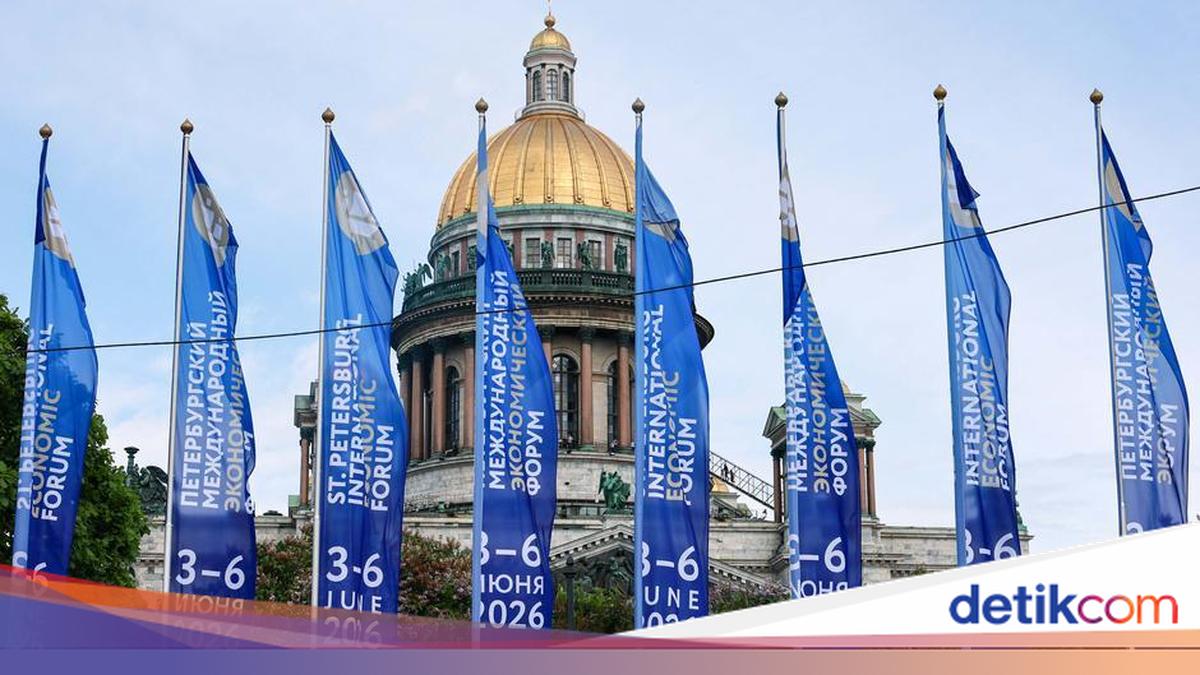
To underscore this strengthening relationship, Russia has named Saudi Arabia as the guest nation for this year’s St. Petersburg International Economic Forum (SPIEF), scheduled for 3 to 6 June 2026. “It is very symbolic that Saudi Arabia will be the guest nation at SPIEF in 2026, as we celebrate 100 years of diplomatic relations,” Lavrov stated ahead of the event.
While some in the West view the forum as a Russian propaganda tool, SPIEF continues to bring together business leaders and political figures. Last year, organisers reported attendance from 24,200 people representing 144 countries and territories.
Looking beyond oil and OPEC, there are broader economic shifts at play. With slowing global growth and the rise of renewable energy, the scope of discussion is expanding. A decade ago, Saudi Arabia introduced its ‘Vision 2030’ programme to diversify its economy and reduce oil dependency. This includes plans for hosting major sporting events, mining gold, copper, and zinc, building massive AI data centres, and developing international tourism beyond religious visits to Mecca and Medina.
Conversely, Russia remains under pressure from Western sanctions, relies heavily on a ‘shadow fleet’ of tankers, and sells much of its oil at a discount. Its sluggish economy is no longer seen as the investment opportunity it once was. “I do not believe Saudi Arabia currently views Russia as an attractive destination for investment,” said Katz. “The West, China, and other Asian nations offer far better opportunities for cooperation in infrastructure, technology, and finance.”
This situation, coupled with OPEC’s internal issues, may be viewed favourably by US President Donald Trump. While the US seeks partnerships with Moscow, Washington is unlikely to be pleased with its allies doing the same. “Saudi Arabia’s declining interest in doing business with Russia will be seen by the Trump administration as an opportunity for US business,” Katz noted.
For now, the Russia-Saudi alliance appears centred on oil. Both nations may find common ground as global oil demand is projected to grow by 1.2 million barrels per day in 2026 and 1.5 million barrels per day the following year, according to the latest OPEC monthly report. However, the relationship is not without friction, as various competing interests remain, such as Saudi Arabia’s concerns regarding Russian support for Iran and Russia’s desire to ensure Riyadh does not join Western sanctions against Ukraine.
Source: jawawa.id (https://jawawa.id/newsitem/russia-and-saudi-arabia-draw-closer-amid-opec-turmoil-1780821100)
Originally published by detikcom (https://news.detik.com/dw/d-8518924/rusia-arab-saudi-makin-dekat-di-tengah-gejolak-opec), translated from Indonesian