
Rupiah’s Pulse in the Lifeblood of UMKM
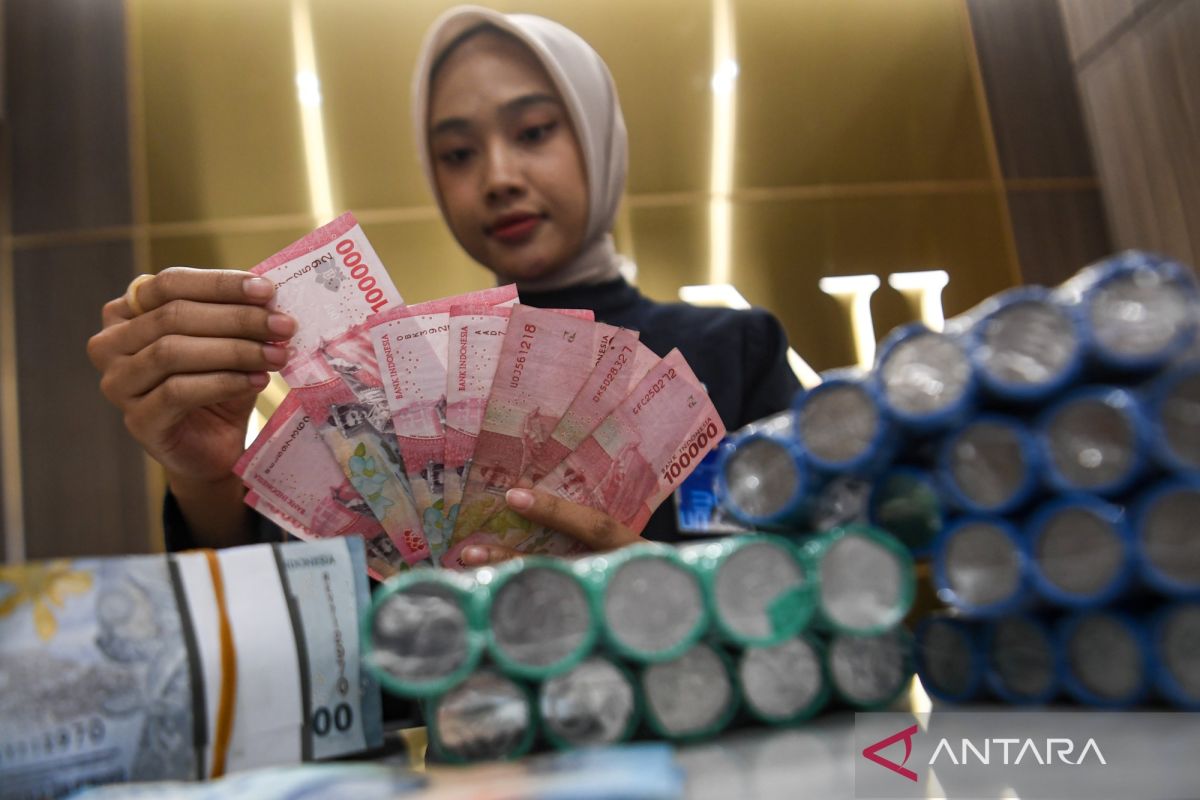
Jakarta (ANTARA) - Economics is not merely a series of numbers or graphs on a screen. Economics is the heartbeat of life that throbs in traditional markets, street-side grocery shops, and even the camps of camel herders in the countryside.
Currently, that heartbeat is being tested by global and domestic conditions. It is at this point that monetary policy plays a role not only as a guardian of the exchange rate but also as a life-support system for the main pulse of our economy, namely UMKM.
Bank Indonesia’s move to raise the policy rate or BI Rate to 5.25 percent in May 2026 is often seen by many as a move that will choke credit flows.
However, we need to look deeper. This policy is an effort to keep the blood pressure of the national economy under control, even in the face of global inflation pressures.
The decision to raise the benchmark interest rate is a manifestation of the commitment to prevent living costs from rising too high.
We certainly understand that prices of soybeans for tempeh makers, flour for street-food sellers, and spare parts for small workshops depend heavily on the stability of the rupiah.
A disciplined monetary policy is a tangible protection of the purchasing power of the most vulnerable.
Currently, the policies in place are no longer working in a rigid manner. If the BI Rate functions to maintain macro-level stability, then the Macroprudential Liquidity Incentive Policy (KLM) functions like a heart that pumps oxygenated liquidity all the way to the smallest arteries of our economy.
Data show that as of May 2026, the potential liquidity returned to the banking system amounts to hundreds of trillions of rupiah. In other words, our banking sector actually has a sufficient liquidity supply, so it is expected that loan rates for small entrepreneurs can remain stable.
This is what we call an asymmetric monetary strategy. The decision to raise the policy rate is expected to calm the financial markets.
At the same time, banks are given incentives in the form of the refund of mandatory reserves at the central bank through the KLM policy. The condition is that they channel credit to productive sectors, especially UMKM.
Unblocking blockages
The national banking sector holds the key as the bridge of liquidity flows. With the increasingly strengthened KLM incentive, banks have plenty of breath to continue lending. Banks do not need to worry that their liquidity will run dry because they already have sufficient cushions.
However, there is an interesting phenomenon in our banking intermediation circulation, namely the high level of undisbursed loans or credits that are not yet realized even though they have been approved. Up to the most recent period, there have been more than 2,500 trillion rupiah in credit commitments that are idle.
On one hand, UMKM experience difficulties in developing their businesses due to lack of capital, but on the other hand, trillions of rupiah merely become figures on banks’ books.
The challenge now is how to translate this caution into measured courage. Undisbursed credit must be channelled immediately to the production engines in the hands of the people to contribute to the nation’s growth.
Here the role of the Macroprudential Intermediation Ratio (RIM) as a catalyst to clear the blockage. The banks are invited to truly flow out the available funds so that they do not remain locked in safes.