
Rupiah Worst in Asia as China's New 'Weapon' Bolsters Yuan
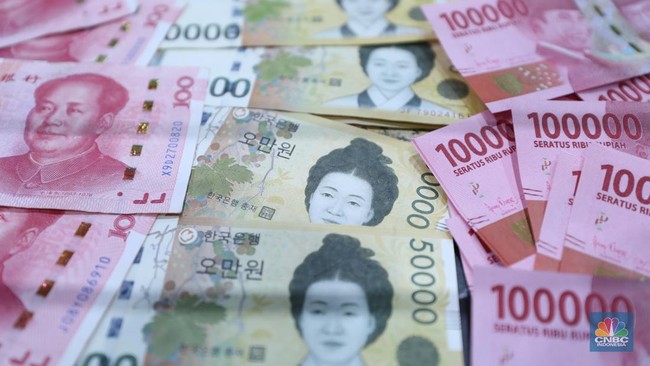
The rupiah closed slightly stronger at Rp18,045 per US dollar on Friday, appreciating 0.14% and recovering from its weakest level in a month. However, the majority of Asian currencies fell over the course of the week, with the rupiah emerging as the region’s worst performer, dropping 0.55%. The US dollar weakened for a second consecutive day amid renewed military strikes between the United States and Iran, though markets continued to monitor global oil prices and inflation prospects. Fakhrul Fulvian, Chief Economist at Trimegah Sekuritas Indonesia, cautioned that Indonesia still requires substantial foreign capital inflows to strengthen its balance of payments and maintain exchange rate stability. ‘We cannot afford to be complacent,’ he noted. The Japanese yen led gains on Friday, rising 0.42% after Finance Minister Satsuki Katayama announced plans to encourage the Government Pension Investment Fund, one of the world’s largest pension funds, to increase allocations to domestic assets. Analysts suggested this move could be more effective in supporting the yen than direct currency intervention. Meanwhile, the Chinese yuan advanced after the People’s Bank of China set its daily reference rate below 6.80 per dollar for the first time since 2023, signalling policymakers’ comfort with a stronger currency. The offshore yuan strengthened as much as 0.3% to 6.7785 per dollar. Fiona Lim, Senior FX Strategist at Malayan Banking Bhd, said the PBOC appeared willing to allow the yuan to appreciate, having loosened its grip as the pace of gains slowed. The yuan has risen around 3% against the dollar this year, making it Asia’s best-performing currency and boosting the attractiveness of Chinese assets. However, some investors are turning cautious, with JPMorgan Asset Management reducing its long yuan positions and T. Rowe Price viewing the currency as expensive against a basket of trade partners. A Bloomberg gauge of the yuan’s trade-weighted index was set for its first weekly decline since May, suggesting the PBOC is not pursuing aggressive appreciation.