
Rupiah Weakness Sets Fate of Food Commodities as Palm Oil and Soybeans Come Under Pressure
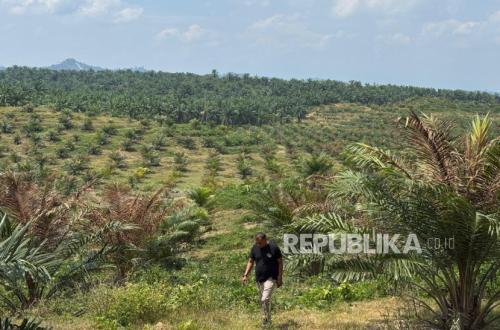
Jakarta — The depreciation of the rupiah is having a significant impact on the food and agricultural commodity sectors. The Indonesian Palm Oil Association (GAPKI) says the rupiah’s depreciation against the United States dollar could burden the national palm oil industry if it persists in the long term. Rising costs for importing fertilisers, vehicle spare parts, heavy equipment, and factory inputs are seen as potentially increasing operating costs for the sector. The rupiah stood at Rp17,658 per USD on Monday, 18 May 2026, weakening about 61 points from the previous close of Rp17,597 per USD.
The depreciation occurs amid global sentiment risk-off due to geopolitical uncertainties and a stronger USD in international markets. GAPKI chairman Eddy Martono said the palm oil industry still relies heavily on imported components, especially for plantation maintenance and plant operations.
“Rupiah weakens if prolonged; costs that still rely on imported components such as fertilisers, vehicle spare parts, heavy equipment and factory inputs will rise,” he told Republika on Monday (18 May 2026).
He explained fertiliser costs are one of the largest components in palm oil plantation operations. This condition makes fertiliser price increases caused by rupiah depreciation able to directly affect the company’s cost structure.
According to Eddy, fertiliser costs account for around 40 percent of total plantation maintenance costs.
“Fertiliser costs account for about 40 percent of maintenance costs, so if fertiliser prices rise, it will burden us, even though domestic prices would rise as well with the rupiah depreciation. But in the long term this would not be advantageous,” he said.
He assessed that rupiah weakness does not automatically boost crude palm oil export performance. Indonesia is the world’s largest CPO exporter, but export transactions still use USD, therefore international selling prices do not change.
Eddy said the USD appreciation against the rupiah only has limited effect on exporters’ revenue.
“Exports are not necessarily rising with rupiah depreciation, because the currency used for export transactions is USD, so the price in dollars remains the same,” said the head of GAPKI.
The rupiah’s pressure is driven by rising global risk-off sentiment amid geopolitical uncertainty and movements in international markets. This has pushed the USD higher and pressured several financial assets worldwide.
FX analyst Doo Financial Futures Lukman Leong said the global market is still watching developments in the Middle East, including potential escalation of tensions and their impact on global geopolitical negotiations. The sentiment also pushes up crude oil prices.
Source: jawawa.id (https://jawawa.id/newsitem/rupiah-weakness-sets-fate-of-food-commodities-as-palm-oil-and-soybeans-come-under-pressure-1779546436)
Originally published by Republika (https://ekonomi.republika.co.id/berita/tf9c2f502/pelemahan-rupiah-tentukan-nasib-komoditas-pangan-sawit-dan-kedelai-tertekan), translated from Indonesian