
Rupiah Weakness Increases Textile Industry Production Costs
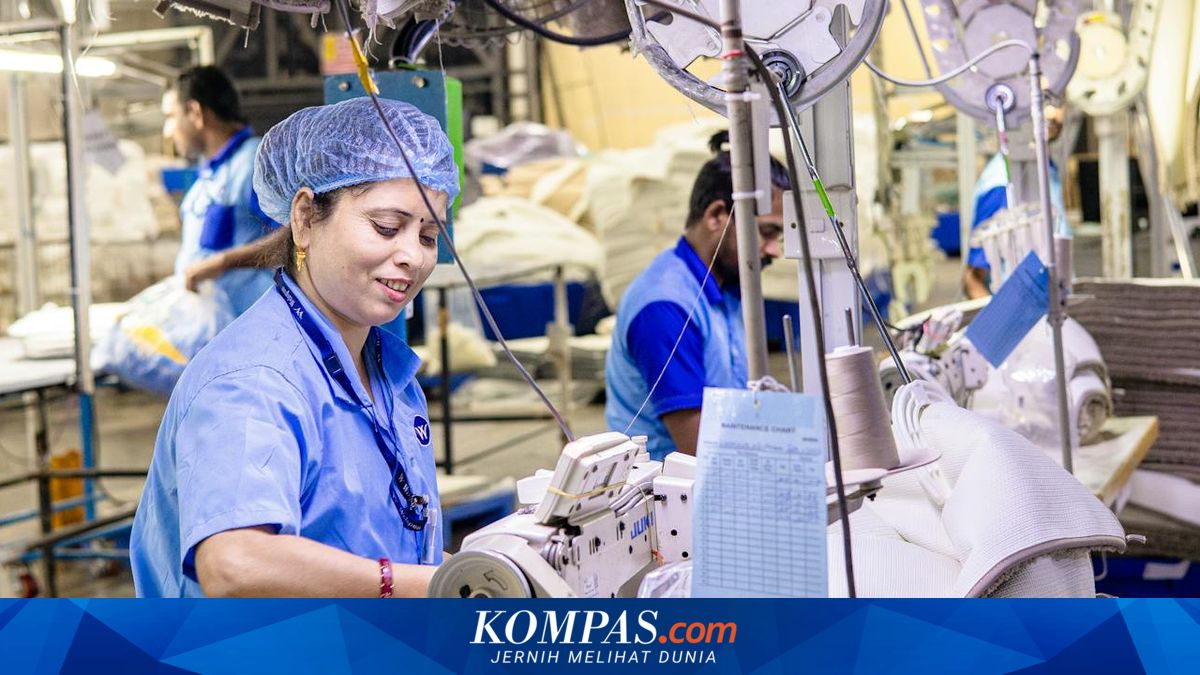
The weakening of the rupiah has caused production costs in the textile industry to rise significantly. General Secretary of the Indonesian Filament Yarn and Fibre Producers Association (APSyFI), Farhan Aqil Syauqi, revealed that the increase in production costs is hitting polyester products, where the raw materials—mono ethylene glycol (MEG) and paraxylene (PX)—depend on imports. “At the moment, it’s better to keep running even though raw material prices are rising rather than having to stop production,” Aqil stated, quoted from Kontan, Thursday (14/5/2026). In addition to the rupiah’s weakening, the rise in global crude oil prices is pressuring the upstream textile industry, forcing producers to adjust prices. Another strategy being employed is renegotiating contracts with business partners to adjust funding as much as possible. “One way to survive is to renegotiate contracts,” Aqil explained. Finance Minister Purbaya Yudhi Sadewa reminded the public not to panic over the rupiah’s weakening. Indonesia’s economic foundation is strong, and efforts to strengthen the rupiah are underway. “No (need to panic). Because our economic foundation is good, we know exactly where our weaknesses are, and we can fix them,” Purbaya stated, quoted from Kompas.com, Wednesday (13/5/2026). With such a strong economic foundation, it is not too difficult to return the business climate to its track. “We won’t be as bad as in ’98, not bad at all. With a strong economic foundation, it’s actually not too difficult,” he clarified. Purbaya also believes that Bank Indonesia (BI) can restore the rupiah’s fundamental value to its previous state.