
Rupiah Weakness Has No Impact on Purchasing Power, Assessed Not Due to Internal Factors
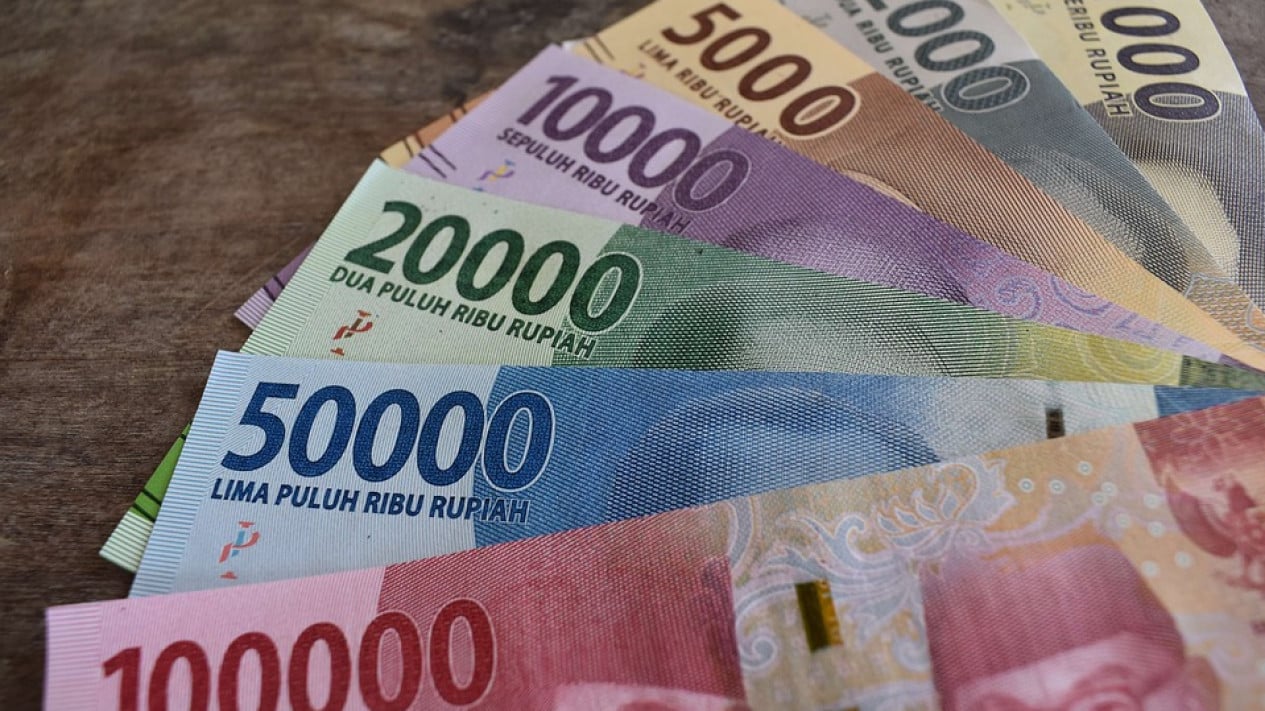
Jakarta, VIVA – Economist from Muhammadiyah University of Bengkulu, Dr. Surya Vandiantara, assesses that the current weakening of the rupiah exchange rate is not caused by internal factors. Therefore, it does not affect the purchasing power of the public.
According to him, internal factors weakening the rupiah exchange rate are caused by two things. Namely, weak economic growth in a country or high imports of goods, which lead to a trade balance deficit and thus increase demand for foreign currency.
“BPS recorded economic growth (yoy) in the first quarter of 2026 at a positive 5.61 percent, as well as the fourth quarter of 2025 at 5.39 percent, and the third quarter of 2025 at 5.04 percent. This condition shows that domestic economic growth has a positive and stable trend,” said Surya in his statement on Wednesday, 6 May 2026.
Meanwhile, Surya said that BPS also recorded a surplus in the trade balance. In March 2026, exports reached US$22.53 billion, while imports were only US$19.21 billion.
“Considering the positive and stable economic growth as well as the surplus trade balance, it is not due to internal factors and will not significantly affect the purchasing power of the public,” he stated.
Regarding external debt, Bank Indonesia (BI) reported in April 2026 that the ratio of External Debt (ULN) to Gross Domestic Product (GDP) is at 29.8 percent, with long-term ULN dominating at 84.9 percent of total ULN.
Based on this data, Surya assesses that Indonesia’s debt position is still in the safe category. This is judged by the debt repayment capacity ratio.
“Various economic theories attempt to provide a threshold for debt health ratios. The threshold ratio is usually set at one-third or 40 percent of total income,” said Surya.
“The Bank Indonesia report stating that the ULN to GDP ratio is at 29.8 percent shows that the ULN ratio is below one-third or below 40 percent of total GDP, so it can be concluded that ULN is still within the safe threshold,” he added.
In addition, Surya continued, the loan tenor also has an important influence in measuring the health of ULN. The longer the tenor for debt repayment, the lower the repayment obligation value in each payment period.